
If you enjoy Mexican food, learning how to make salsa verde sauce is one of the best cooking skills you can have. I still remember the first time I made it at home. I thought it would be difficult because I had only tasted salsa verde in Mexican restaurants. But once I learned how simple it was, I stopped buying the bottled version. Fresh homemade salsa verde has a bright flavor, a little heat, and a freshness that store-bought sauces just can’t match.
The best thing about salsa verde is that it is made with simple ingredients. Fresh tomatillos, peppers, garlic, onion, cilantro, and lime come together to create a delicious green sauce that goes well with almost everything. Whether you are making tacos, burritos, enchiladas, grilled chicken, or simply serving tortilla chips, this sauce adds fresh flavor to every bite.
In this guide, I’ll show you how to make salsa verde sauce step by step using easy ingredients and simple cooking methods. I’ll also share helpful tips that have worked well for me over time, so you can make a salsa that tastes fresh, balanced, and full of authentic Mexican flavor.
What Is Salsa Verde?
Salsa verde means “green sauce” in Spanish. It is one of the most popular sauces in Mexican cuisine and is loved for its fresh, tangy, and slightly spicy taste. Unlike red salsa, which is made with red tomatoes, salsa verde is made with tomatillos. These small green fruits look similar to tomatoes but have a thin paper-like covering and a naturally tangy flavor.
Many people think tomatillos are simply green tomatoes, but they are different. Tomatillos have a brighter taste that gives salsa verde its unique flavor. Once they are roasted or boiled, they become softer and slightly sweeter while keeping their fresh taste.
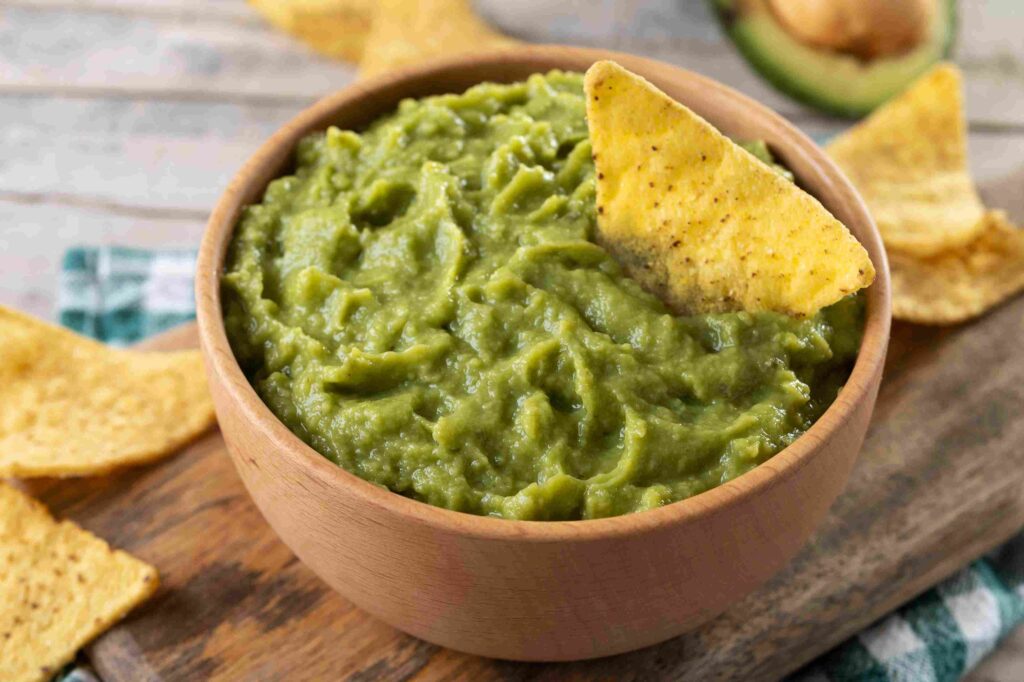
Traditional Mexican families have been making salsa verde for many years. Every home has its own recipe. Some people roast the vegetables to give the sauce a smoky flavor, while others boil them to keep the taste lighter and fresher. Both methods are delicious, and you can choose the one you like most.
One of the reasons salsa verde is so popular is because it is very versatile. You can use it as a dip, a topping, or even as a cooking sauce for many Mexican dishes. It is especially delicious with tacos, which is why many people search for how to make salsa verde for tacos at home.
Why Homemade Salsa Verde Is Better
There are many salsa verde jars available in grocery stores, but making it yourself gives you much better results. Fresh ingredients create a cleaner flavor, and you can easily adjust the spice level to match your taste.
Here are a few reasons why I always prefer homemade salsa verde:
- It tastes much fresher than bottled salsa.
- You can control how spicy it is.
- There are no unnecessary preservatives.
- You can choose high-quality fresh ingredients.
- It takes less than 30 minutes to prepare.
- It works with many different Mexican dishes.
Another reason I enjoy making it at home is that every batch can be a little different. Sometimes I roast the vegetables for a smoky taste, and other times I keep everything fresh for a lighter salsa. It depends on what I’m serving that day.
Ingredients You Need to Make Salsa Verde Sauce
One of the best things about this recipe is that it uses simple ingredients that are easy to find in most grocery stores.
Fresh Tomatillos
Tomatillos are the main ingredient in authentic salsa verde. Choose firm, bright green tomatillos with fresh husks. Before cooking, remove the husks and wash away the sticky coating under cold water.
Jalapeño or Serrano Peppers
These peppers add heat to the salsa. Jalapeños give a mild to medium spice, while serrano peppers create a hotter salsa. If you enjoy spicy food, serranos are a great choice.
Onion
White onion is commonly used because it has a clean flavor that blends well with the tomatillos. You can also use yellow onion if that’s what you have at home.
Garlic
Fresh garlic gives the salsa a rich and slightly sweet flavor after roasting or boiling. It also balances the tanginess of the tomatillos.
Fresh Cilantro
Cilantro adds freshness and is one of the signature flavors of salsa verde. Always use fresh leaves for the best taste.
Lime Juice
Fresh lime juice brightens the salsa and balances all the flavors. Add it gradually so the salsa does not become too sour.
Salt
Salt brings all the ingredients together. Start with a small amount and adjust after blending.
Optional Ingredients
While the traditional recipe is simple, there are a few ingredients you can add depending on your taste.
Avocado
Avocado makes the salsa creamy and smooth without changing its fresh flavor too much.
Olive Oil
A small amount of olive oil creates a richer texture, especially if you roast the vegetables.
Cumin
Some people enjoy adding a pinch of cumin for extra warmth, although traditional salsa verde usually keeps the seasoning simple.
Extra Green Chilies
If you love spicy food, you can add another jalapeño or serrano pepper to increase the heat.
Choosing the Best Tomatillos
If you’re learning how to make tomatillo salsa verde, choosing good tomatillos makes a big difference.
Look for tomatillos that are:
- Bright green in color.
- Firm when gently squeezed.
- Covered with dry, light brown husks.
- Free from soft spots or wrinkles.
Avoid tomatillos that feel mushy or have yellow skin because they may be overripe and won’t give the fresh flavor that makes salsa verde so delicious.
Fresh ingredients are the secret to a great salsa. Even with a simple recipe, using quality vegetables creates a sauce that tastes bright, fresh, and full of authentic Mexican flavor.
In the next section, we’ll go through the complete step-by-step process of how to make green salsa verde, including roasting, blending, adjusting the flavor, and making the perfect salsa verde for tacos.
How to Make Tomatillo Salsa Verde (Step-by-Step Guide)
Now that you have all your ingredients ready, it’s time to make the salsa. Don’t worry if this is your first time. The recipe is very simple, and after making it once or twice, you’ll be able to prepare it without even looking at the recipe.
One thing I have learned is that salsa verde doesn’t need fancy techniques. Fresh ingredients and a little patience are enough to make a delicious homemade sauce.
Step 1: Prepare the Tomatillos
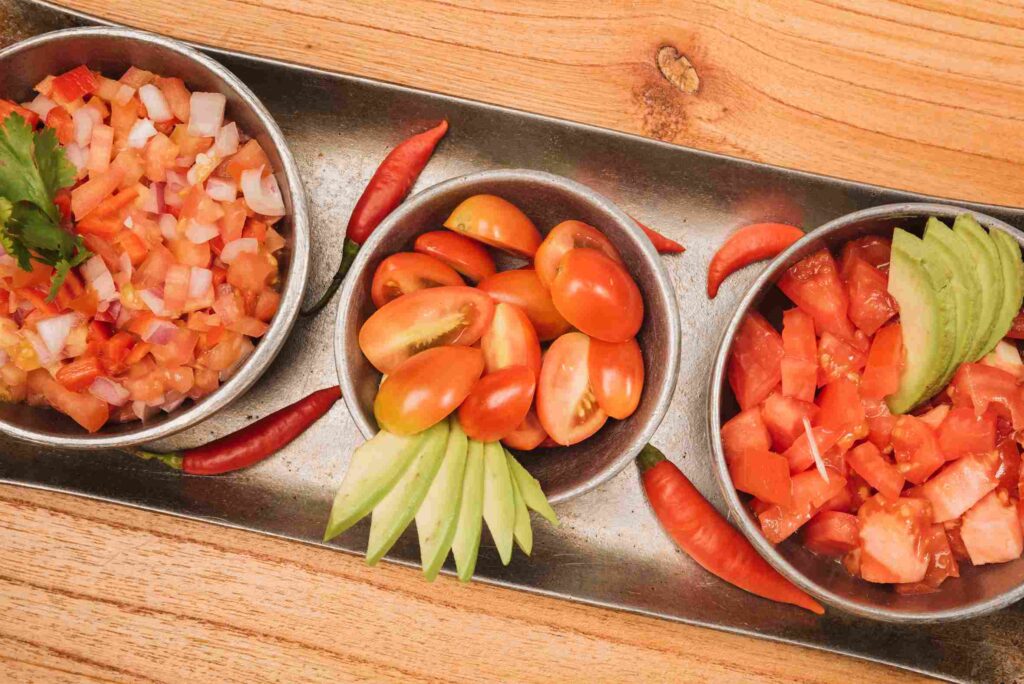
Start by removing the papery husks from the tomatillos. They have a sticky coating, so rinse them well under running water until they feel clean.
Wash the peppers, onion, cilantro, and lime as well. Peel the garlic cloves and cut the onion into large pieces. There is no need to chop everything finely because it will all go into the blender later.
Step 2: Roast or Boil the Vegetables
There are two popular ways to cook the vegetables before blending them.
Roasting Method
Roasting gives the salsa a rich and smoky flavor that many people love.
Place the tomatillos, peppers, onion, and garlic on a baking tray. Roast them in a preheated oven at 425°F (220°C) for about 15 to 20 minutes. Turn them once during cooking so they roast evenly.
The vegetables should become soft with a few dark spots on the outside. Those roasted spots add extra flavor to the salsa.
Boiling Method
If you prefer a lighter and fresher taste, boiling is a great option.
Bring a pot of water to a boil and add the tomatillos and peppers. Cook them for about 8 to 10 minutes, or until the tomatillos change from bright green to a softer olive-green color. Drain the water and let them cool for a few minutes.
Both methods make delicious salsa verde. I usually roast the vegetables when serving grilled meat or tacos because the smoky flavor makes the meal even better.
Step 3: Blend Everything Together
Add the cooked tomatillos, peppers, onion, garlic, fresh cilantro, lime juice, and salt to a blender or food processor.
Blend for about 30 to 60 seconds until everything is mixed.
Try not to over-blend the salsa. A slightly chunky texture feels more homemade and gives every bite a little more character.
If the salsa looks too thick, add one or two tablespoons of water until you reach the consistency you like.
Step 4: Taste and Adjust
This is my favorite part because you can make the salsa exactly how you like it.
Taste the salsa and adjust the seasoning if needed.
You can add:
- More salt for better flavor.
- More lime juice for extra freshness.
- Another pepper if you want more heat.
- A few cilantro leaves for a fresher taste.
Making small adjustments at this stage can completely change the final result.
Step 5: Let the Salsa Rest
Although you can serve salsa verde immediately, I recommend letting it rest in the refrigerator for 20 to 30 minutes.
This gives the flavors time to blend together, making the salsa taste even better.
How to Make Green Salsa Verde
If you enjoy fresh flavors, you can also make a raw version of green salsa verde.
Instead of roasting or boiling the vegetables, simply wash the tomatillos and blend them with fresh peppers, onion, garlic, cilantro, lime juice, and salt.
This version has a brighter and slightly sharper flavor. It pairs well with seafood, grilled vegetables, and light summer meals.
Some people even mix roasted tomatillos with fresh cilantro and raw onion to create a balance between smoky and fresh flavors.
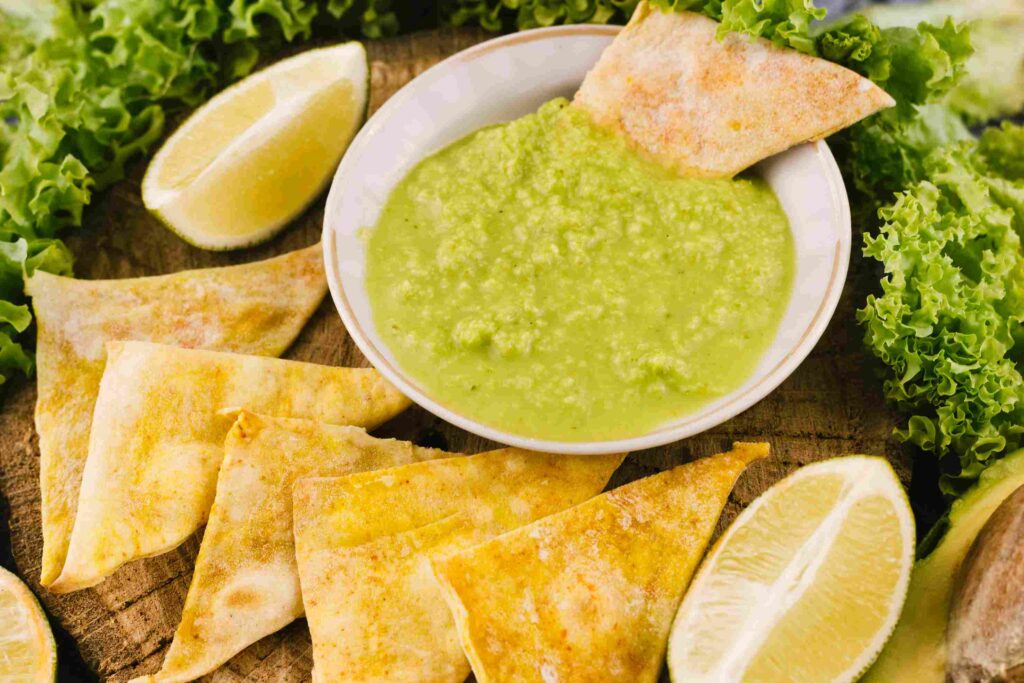
How to Make Salsa Verde for Tacos
One of the most common questions people ask is how to make salsa verde for tacos.
The good news is that the same basic recipe works perfectly. You only need to make a few small changes.
For tacos, the salsa should be slightly thicker so it stays on the meat instead of running off the tortilla.
Here are a few tips that always work for me:
- Roast the vegetables for a deeper flavor.
- Use one or two serrano peppers if you like spicy tacos.
- Blend only until smooth but not watery.
- Chill the salsa before serving.
- Spoon it over tacos just before eating.
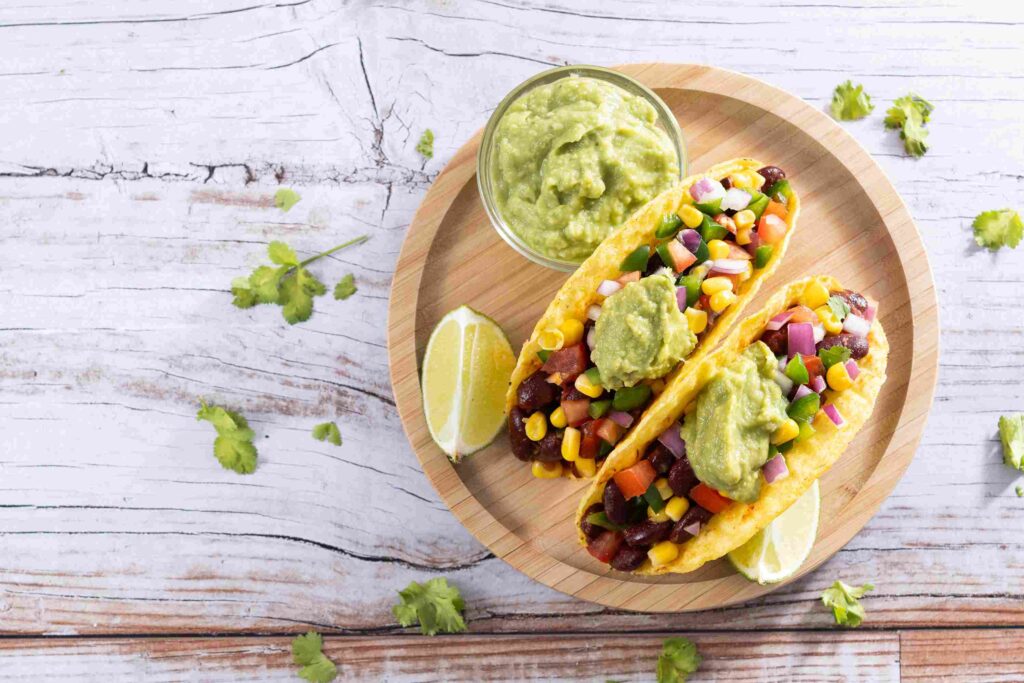
Salsa verde tastes amazing with almost every type of taco, including:
- Chicken tacos
- Beef tacos
- Steak tacos
- Fish tacos
- Shrimp tacos
- Pork tacos
- Vegetarian tacos
- Bean tacos
The fresh tanginess of the tomatillos cuts through rich meats and makes every bite taste lighter and more balanced.
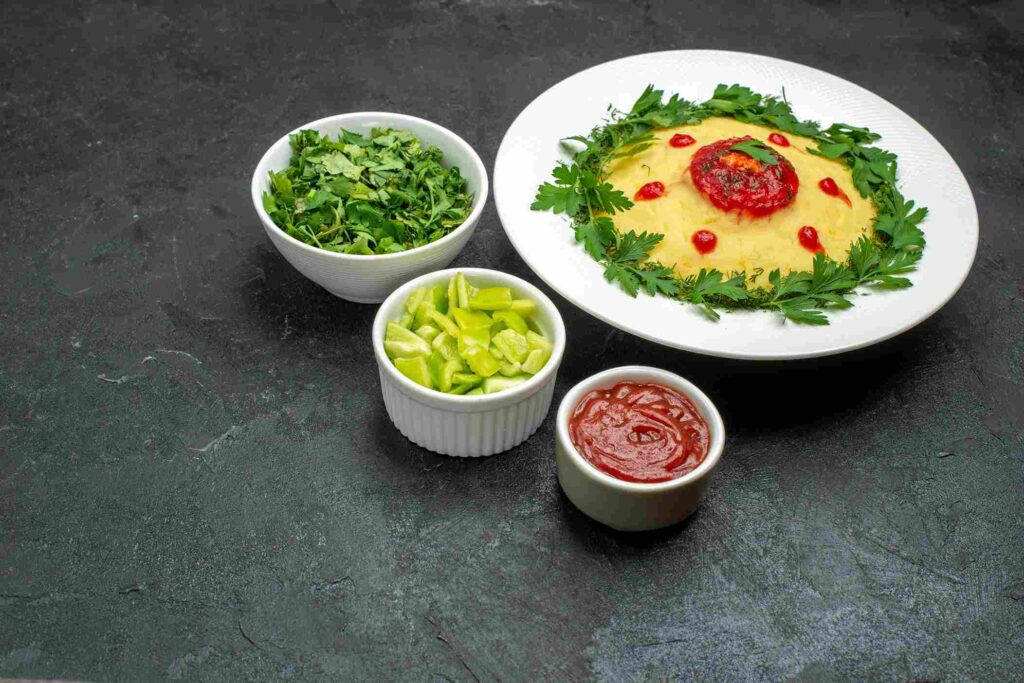
Roasted Salsa Verde vs. Fresh Salsa Verde
Both versions are authentic, but they have different flavors.
Roasted Salsa Verde
Roasted salsa has a deeper, richer taste with a light smoky flavor. It pairs especially well with grilled chicken, steak, pork, and tacos.
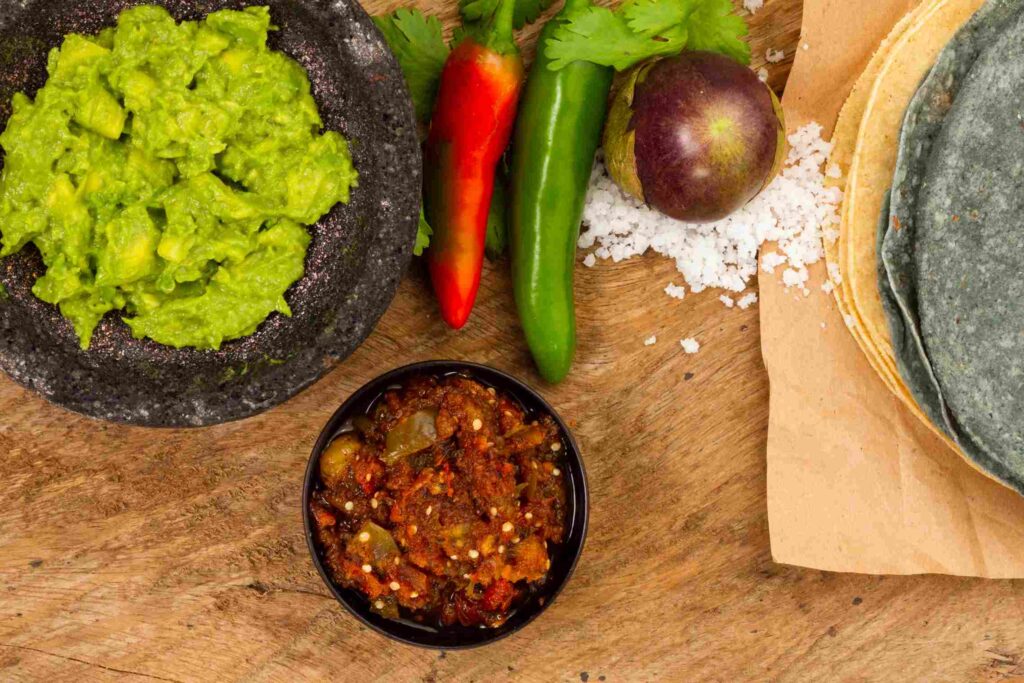
Fresh Salsa Verde
Fresh salsa tastes brighter and more refreshing. It is perfect for seafood, salads, grilled vegetables, tortilla chips, and lighter meals.
I enjoy both versions, but if someone is making salsa verde for the first time, I usually recommend roasting the vegetables. The flavor is richer and closer to what many people enjoy in authentic Mexican restaurants.
No matter which method you choose, the secret is using fresh ingredients and tasting the salsa before serving. Small adjustments in salt, lime juice, or peppers can make a good salsa become an unforgettable one.
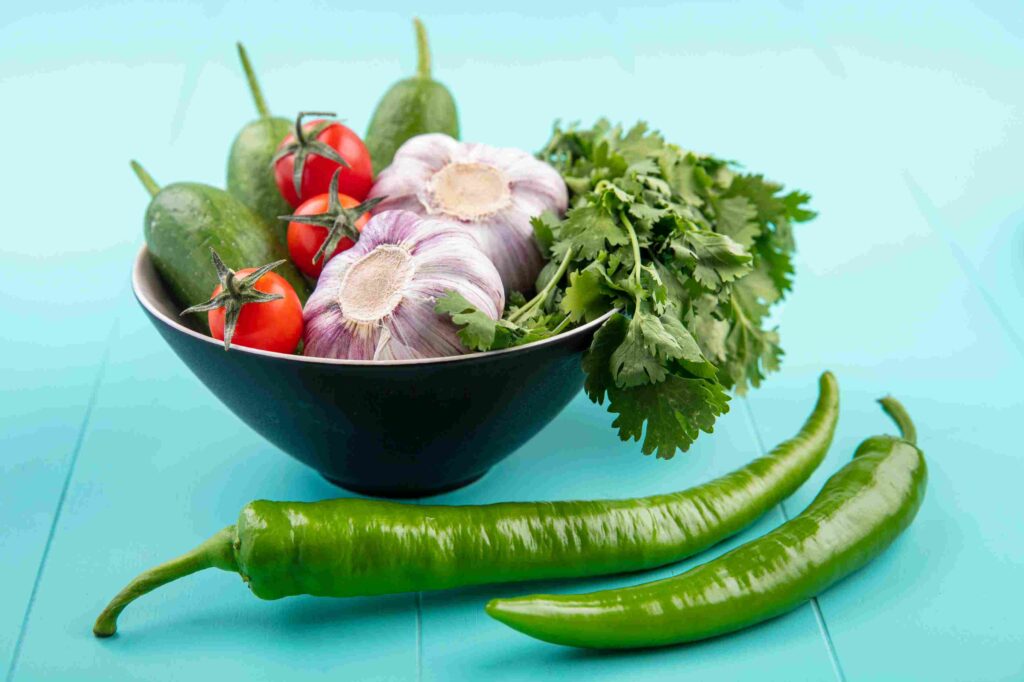
Expert Tips for the Best Homemade Salsa Verde
After making salsa verde many times, I’ve learned that a few small details can make a big difference. The recipe is simple, but these tips will help you make a salsa that tastes fresh, balanced, and full of flavor every time.
Choose Fresh Tomatillos
Always pick tomatillos that are bright green and firm. Fresh tomatillos have the best tangy flavor, which is the heart of a good salsa verde.
Roast for Extra Flavor
If you have a little extra time, roast the vegetables instead of boiling them. The roasted edges add a light smoky flavor that makes the salsa taste richer.
Use Fresh Cilantro
Fresh cilantro gives salsa verde its signature taste. Avoid using dried cilantro because it doesn’t have the same fresh flavor.
Blend Lightly
Don’t blend the salsa for too long. A slightly chunky texture looks homemade and tastes much better than a completely smooth sauce.
Taste Before Serving
Every batch of tomatillos is a little different. Before serving, taste the salsa and adjust the salt, lime juice, or peppers if needed.
Salsa Verde Variations
One of the best things about salsa verde is that you can easily change it to match your taste.
Creamy Avocado Salsa Verde
Blend one ripe avocado with the finished salsa. It creates a smooth, creamy texture that is perfect for tacos, burritos, and tortilla chips.
Extra Spicy Salsa Verde
If you enjoy spicy food, add one or two extra serrano peppers. You can also leave the seeds in the peppers for more heat.
Charred Salsa Verde
Instead of roasting in the oven, cook the vegetables on a grill until lightly charred. This adds a delicious smoky flavor that pairs well with grilled meats.
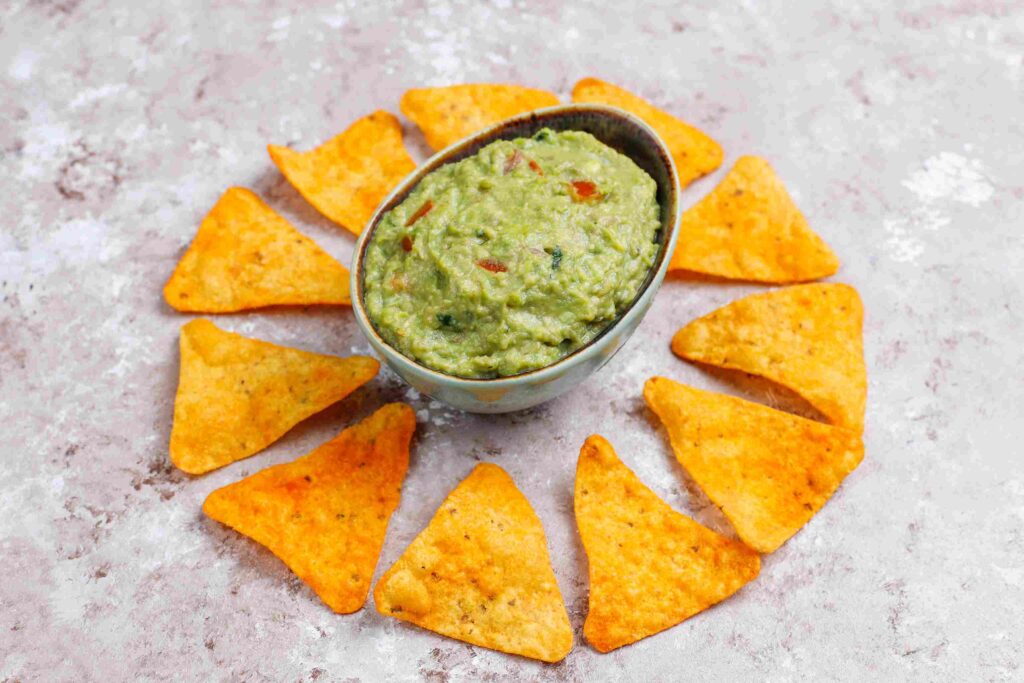
Fresh No-Cook Salsa Verde
Blend fresh tomatillos, onion, cilantro, garlic, jalapeño, lime juice, and salt without cooking anything. This version is bright, fresh, and perfect during warm weather.
Common Mistakes to Avoid
Even though salsa verde is easy to make, a few common mistakes can affect the final flavor.
Not Washing the Tomatillos
Tomatillos have a sticky coating under their husks. Always wash them well before cooking.
Overcooking the Vegetables
Cooking them for too long can reduce their fresh flavor. Roast or boil only until they become soft.
Adding Too Much Water
The salsa should be thick enough to stay on tacos or tortilla chips. Add water slowly if needed.
Using Too Much Salt
It’s always easier to add more salt than to remove it. Start with a small amount and taste before adding more.
Over-Blending
Blending for too long can make the salsa watery. Blend just until everything comes together.
How to Store Homemade Salsa Verde
Homemade salsa verde stays fresh for several days when stored properly.
In the Refrigerator
Place the salsa in a clean, airtight container and keep it in the refrigerator. It stays fresh for 4 to 5 days.
In the Freezer
If you make a large batch, freeze it in freezer-safe containers or bags. Salsa verde can be frozen for up to 3 months.
When you’re ready to use it, let it thaw overnight in the refrigerator and stir well before serving.
Is Salsa Verde Healthy?
Yes, salsa verde is a healthy sauce because it is made mostly from fresh vegetables and herbs.
A typical serving is low in calories and contains:
- Vitamin C from tomatillos and peppers
- Fiber from fresh vegetables
- Antioxidants from cilantro and garlic
- Very little fat
- No added sugar in the traditional recipe
Because it is naturally light, salsa verde is a great choice if you want to add flavor to meals without adding many calories.
Frequently Asked Questions
Can I make salsa verde without tomatillos?
Yes, but the flavor will be different. Green tomatoes can be used as a substitute, although authentic salsa verde is traditionally made with tomatillos.
Is salsa verde spicy?
It depends on the peppers you use. Jalapeños create a mild to medium heat, while serrano peppers make the salsa much spicier.
Can I freeze salsa verde?
Yes. Freeze it in airtight containers for up to three months. Stir well after thawing because the texture may change slightly.
Why is my salsa verde bitter?
This usually happens if the tomatillos are overcooked or not fully ripe. Using fresh tomatillos and balancing the flavor with lime juice and salt helps prevent bitterness.
What can I serve with salsa verde?
Salsa verde is delicious with:
- Tacos
- Burritos
- Enchiladas
- Quesadillas
- Nachos
- Grilled chicken
- Steak
- Fish
- Shrimp
- Eggs
- Rice bowls
- Tortilla chips
Final Thoughts
Now you know how to make salsa verde sauce at home using simple ingredients and easy cooking methods. Whether you roast the vegetables for a smoky flavor or keep them fresh for a lighter taste, homemade salsa verde is always worth making.
I enjoy preparing this recipe because it doesn’t take much time, yet it makes almost any meal taste better. A spoonful of fresh salsa verde can turn simple tacos, grilled chicken, or even scrambled eggs into something special.
Don’t be afraid to adjust the recipe to your own taste. Add more peppers if you like extra heat, mix in avocado for a creamy texture, or use roasted vegetables for a deeper flavor. The more you make it, the more confident you’ll become.
If you’re looking for a fresh, authentic Mexican sauce that is easy to prepare and full of flavor, this homemade salsa verde recipe is one you’ll come back to again and again. Once you taste it, there’s a good chance you’ll always choose homemade over store-bought.