
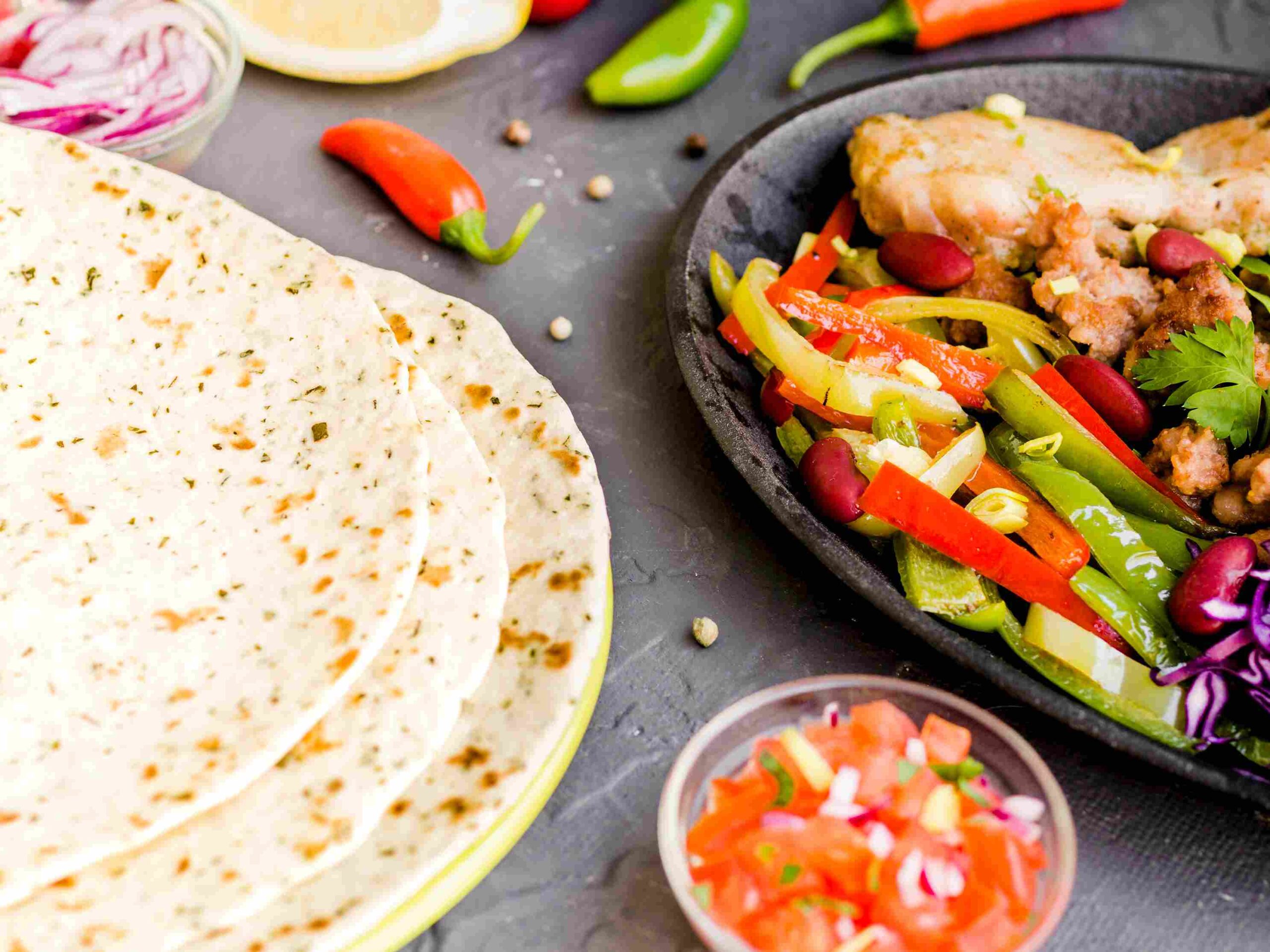
Tortillas de Harina: Authentic Mexican Flour Tortilla Recipe
There is something special about eating a warm, homemade tortilla straight from the skillet. Tortillas de harina, also called Mexican flour tortillas, are soft, flexible, and easy to make with a few simple ingredients. They are a common part of many Mexican meals and can be used for burritos, quesadillas, tacos, breakfast wraps, and more.
I enjoy making homemade flour tortillas because they taste fresher than most store-bought options. The process is also much easier than it may seem. You do not need special equipment or advanced cooking skills. With a mixing bowl, rolling pin, and hot skillet, you can make soft tortillas in your own kitchen.
In this guide, I will explain what tortillas de harina are, which tortilla ingredients you need, how to make them step by step, and the simple tricks I use to keep them soft and tasty.
What Are Tortillas de Harina?
Tortillas de harina are traditional Mexican flour tortillas made mainly with wheat flour. In Spanish, “harina” means flour, so the name simply means flour tortillas.
Flour tortillas are especially popular in northern Mexico, where wheat has been an important part of local cooking for generations. They are different from corn tortillas in both taste and texture.
A good flour tortilla should be soft, flexible, and easy to fold. It should not crack when you fill it with food. Freshly cooked tortillas also have a mild, warm flavor that works well with many different fillings.
They can be made in different sizes. Small tortillas are useful for tacos, while large ones are ideal for burritos and wraps.
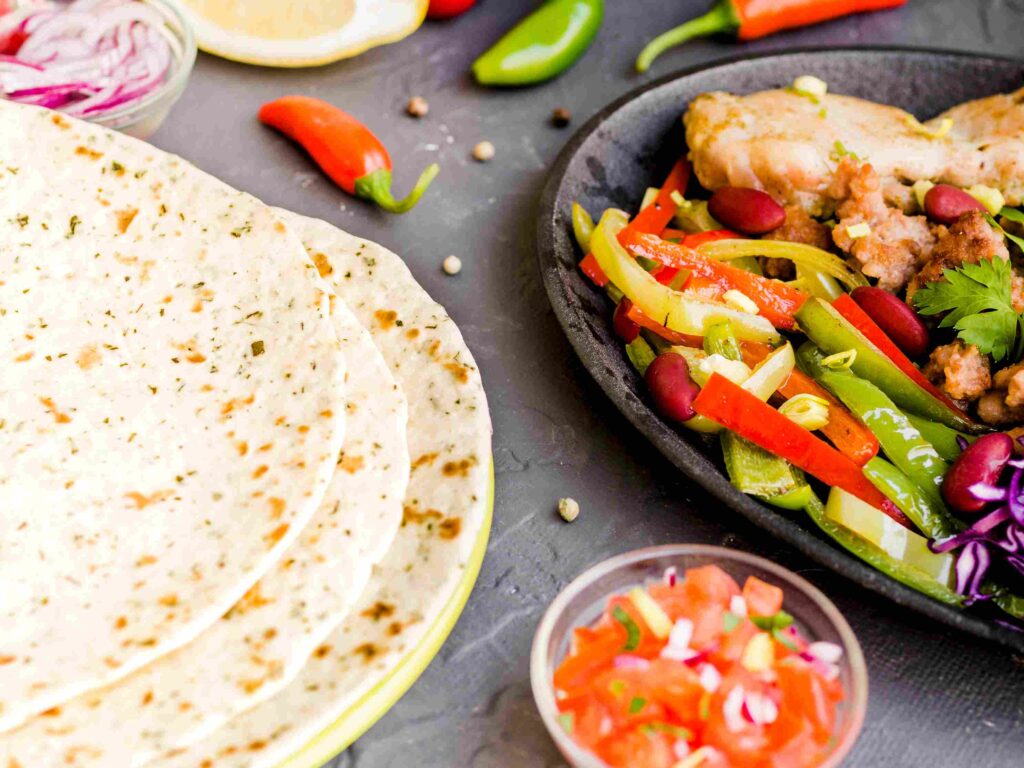
Tortilla Ingredients You Need
One of the best things about making homemade flour tortillas is that you do not need a long list of ingredients.
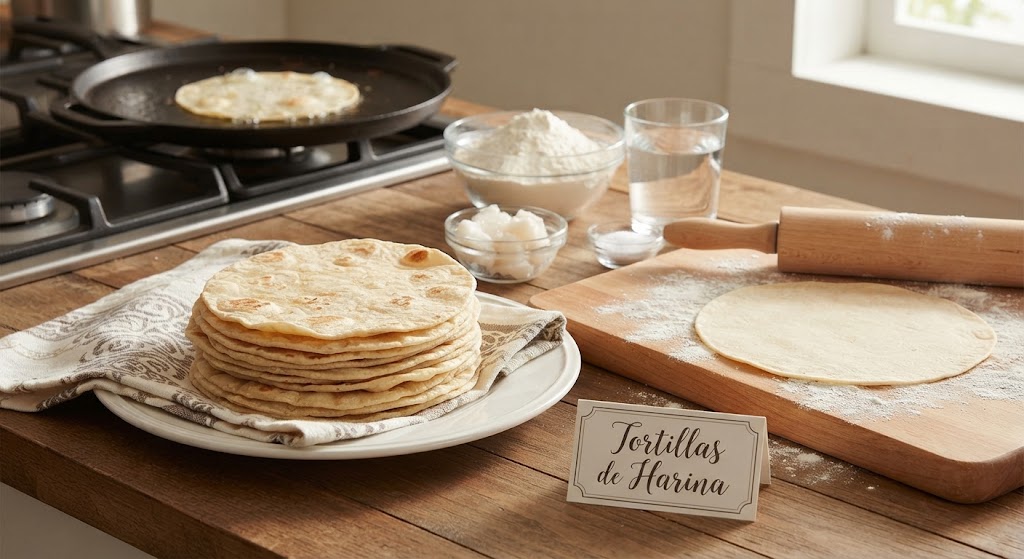
The basic tortilla ingredients include:
- All-purpose flour
- Salt
- Baking powder
- Lard, shortening, or neutral oil
- Warm water
Flour gives the tortillas their structure, while the fat helps make them soft and flexible. Salt gives the dough flavor, and baking powder can help create a lighter texture.
Which Fat Should You Use?
Traditional recipes often use lard, which gives flour tortillas a rich flavor and soft texture.
You can also use vegetable shortening or a neutral cooking oil. Oil is a convenient choice if you do not have lard at home.
In my experience, the most important thing is not only which fat you choose but also how well you mix it into the flour. The fat should be spread evenly throughout the dough.
How Do You Make Flour Tortillas?
If you have ever wondered, how do you make flour tortillas, the process is quite simple.
The main things to remember are to keep the dough soft, give it enough time to rest, and avoid overcooking the tortillas.
Step 1: Mix the Dry Ingredients
Add the flour, salt, and baking powder to a large bowl.
Stir them together until everything is evenly mixed.
This only takes a minute, but it helps make sure the salt and baking powder are spread throughout the flour.
Step 2: Add the Fat
Add your lard, shortening, or oil to the flour.
If you are using lard or shortening, use your fingers to work it into the flour. Continue until the mixture feels soft and slightly crumbly.
This step helps create the tender texture that makes a homemade flour tortilla enjoyable.
Step 3: Add Warm Water
Slowly pour warm water into the flour mixture while stirring.
Do not add too much water at one time. Depending on your flour, you may need a little more or less.
The dough should come together and feel soft. It should not be extremely wet or sticky.
If the dough seems dry, add a little more warm water. If it becomes too sticky, add a small amount of flour.
Step 4: Knead the Dough
Transfer the dough to a clean work surface and knead it gently.
You do not need to knead it for a very long time. Work it until the dough becomes smooth and soft.
Try not to add a lot of extra flour during this step. Too much flour can make the finished tortillas dry and tough.
When the dough feels smooth and slightly elastic, it is ready.
Step 5: Divide the Dough
Divide the dough into equal portions and shape each portion into a small ball.
The size depends on how you plan to use the tortillas.
For tacos, make smaller dough balls. For a large burrito tortilla, make larger ones.
Keeping the dough balls similar in size will also help your tortillas cook evenly.
Step 6: Let the Dough Rest
Cover the dough balls with a clean kitchen towel and let them rest.
Do not skip this step.
Resting gives the gluten in the dough time to relax. This makes the dough much easier to roll.
If you try to roll the dough immediately, it may keep shrinking back toward its original shape.
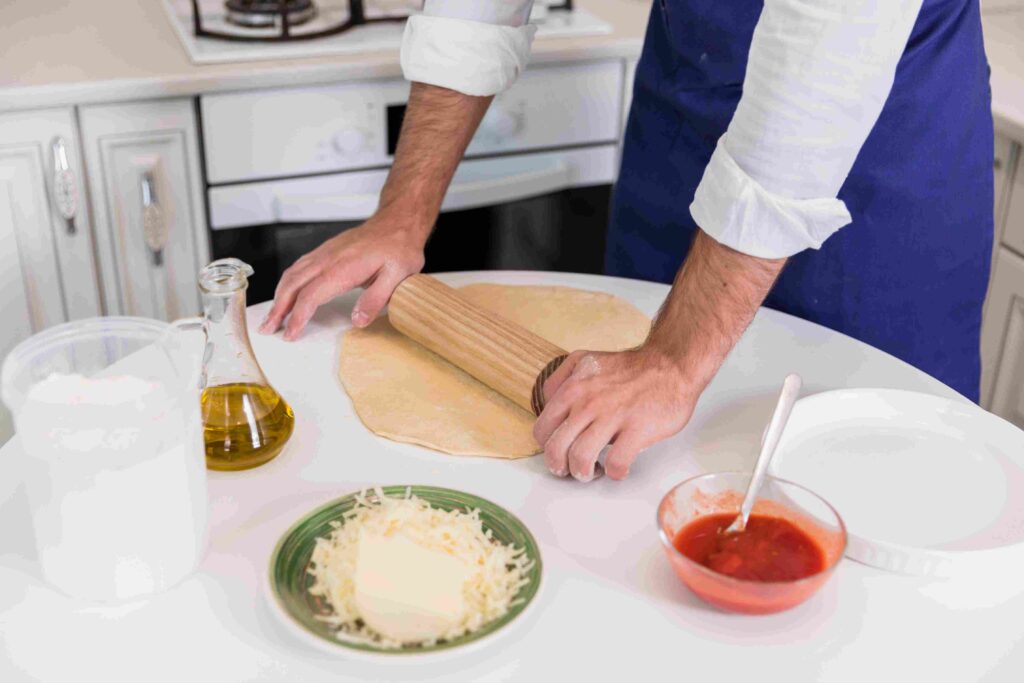
Step 7: Roll the Tortillas
Take one dough ball and place it on a lightly floured surface.
Use a rolling pin to roll it into a thin circle.
Roll from the center toward the edges and turn the dough as you go. Try to make the tortilla evenly thin.
Your tortillas may not be perfectly round at first, and that is completely fine. Homemade food does not have to look perfect to taste great.
With practice, your tortillas will become easier to shape.
Step 8: Cook the Tortillas
Heat a dry skillet or comal over medium-high heat.
Place one rolled tortilla on the hot surface.
Cook it until small bubbles begin to form and you see light brown spots underneath. Flip it and cook the other side.
The tortilla may puff up in places as it cooks. This is a good sign.
Do not leave it on the skillet for too long. Overcooking can remove moisture and make it hard.
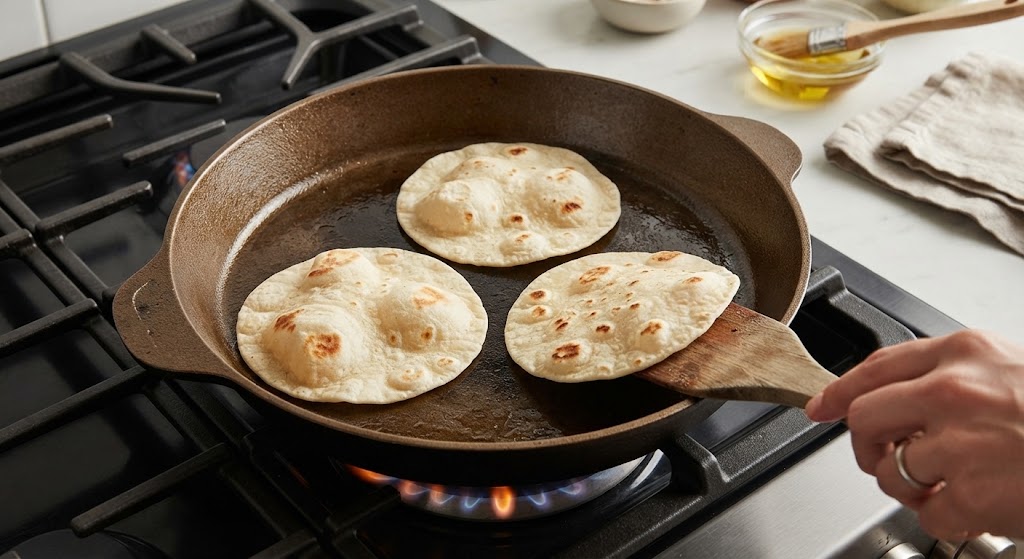
Once cooked, place the tortilla inside a clean towel or tortilla warmer to keep it soft.
Repeat with the remaining dough.
Tips for Soft Tortillas de Harina
Getting soft tortillas is mostly about the dough and cooking time. Here are some simple tips that have helped me.
Keep the Dough Soft
Avoid making a very dry dough. A soft dough usually gives you a softer finished tortilla.
Do Not Add Too Much Flour
Adding too much flour while kneading or rolling can make the tortillas tough. Use only enough flour to prevent sticking.
Let the Dough Rest
Resting is one of the most important steps. It makes the dough easier to roll and helps stop it from shrinking.
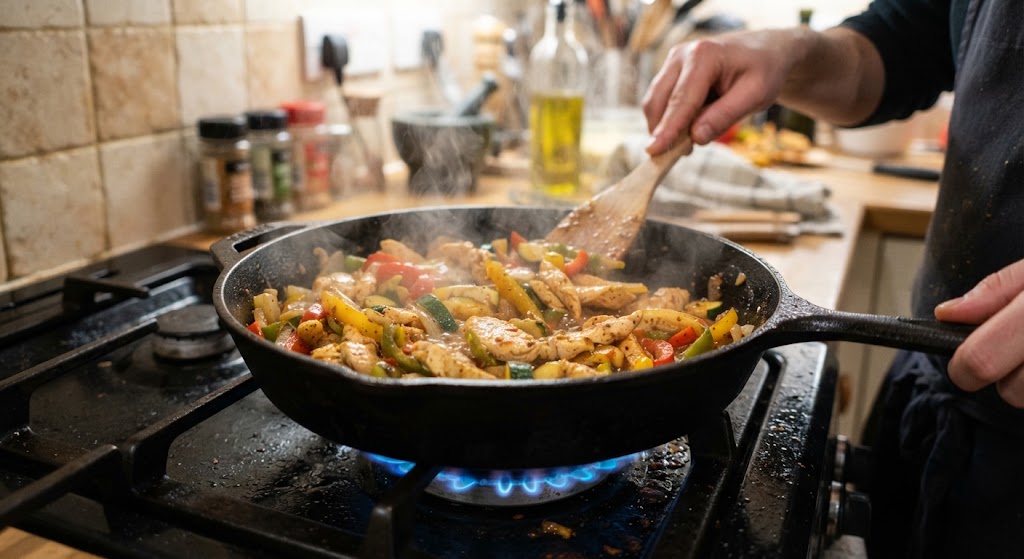
Make Sure the Skillet Is Hot
A properly heated skillet allows the tortilla to cook quickly. If the pan is too cool, the tortilla may stay on the heat too long and become dry.
Avoid Overcooking
Flour tortillas cook quickly. Once you see light brown spots and the tortilla is cooked through, take it off the skillet.
Keep Them Covered
Place cooked tortillas inside a clean towel or tortilla warmer. Keeping them covered helps hold in moisture and keeps them soft.
Flour Tortillas vs. Corn Tortillas
Flour and corn tortillas are both important in Mexican cooking, but they have different qualities.
Flour tortillas are made with wheat flour and are usually soft, smooth, and flexible. Corn tortillas are made from corn masa and have a stronger corn flavor.
Corn tortillas are commonly used for tacos, enchiladas, tostadas, and taquitos. For example, corn tortillas for taquitos are often used because they become crisp and flavorful when cooked.
Flour tortillas are a better choice when you want something soft and flexible that can hold a larger amount of filling.
There is also a difference in gluten. Traditional flour tortillas contain wheat and are not gluten-free. Corn tortillas are naturally gluten-free when made with suitable ingredients and prepared in a gluten-free environment.
What Is a Burrito Tortilla?
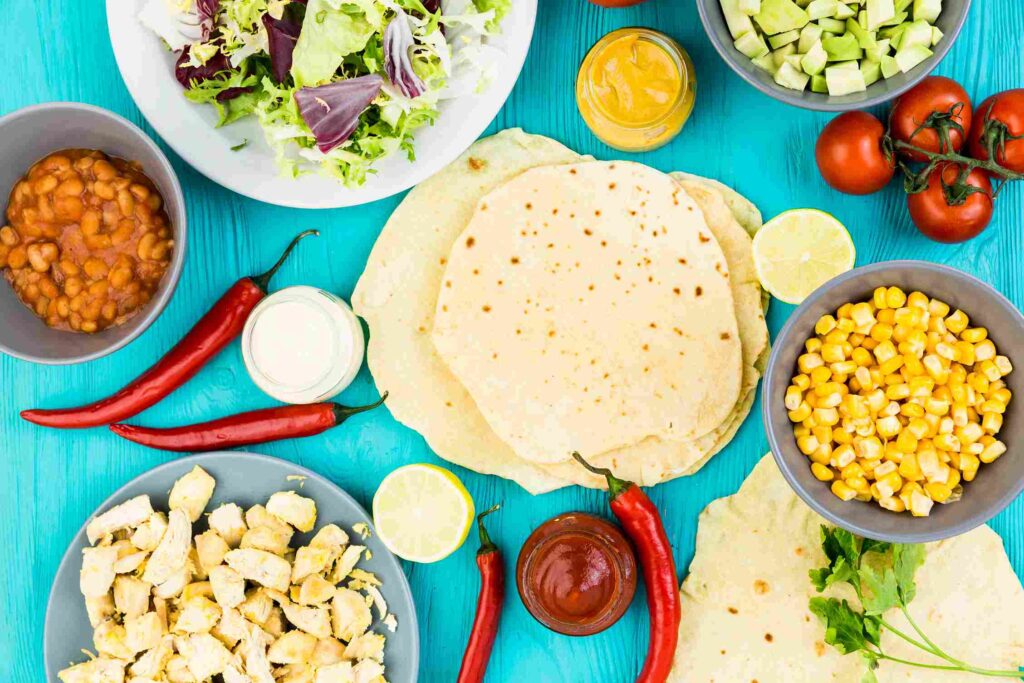
A burrito tortilla is generally a large flour tortilla made to hold a generous amount of filling.
Burritos can include beans, rice, meat, cheese, vegetables, salsa, and other ingredients. Because of this, the tortilla needs to be large and flexible.
Large tortillas de harina are perfect for burritos because they can be folded around the filling without breaking.
I recommend warming the tortilla before filling it. A warm tortilla is much easier to fold than a cold one.
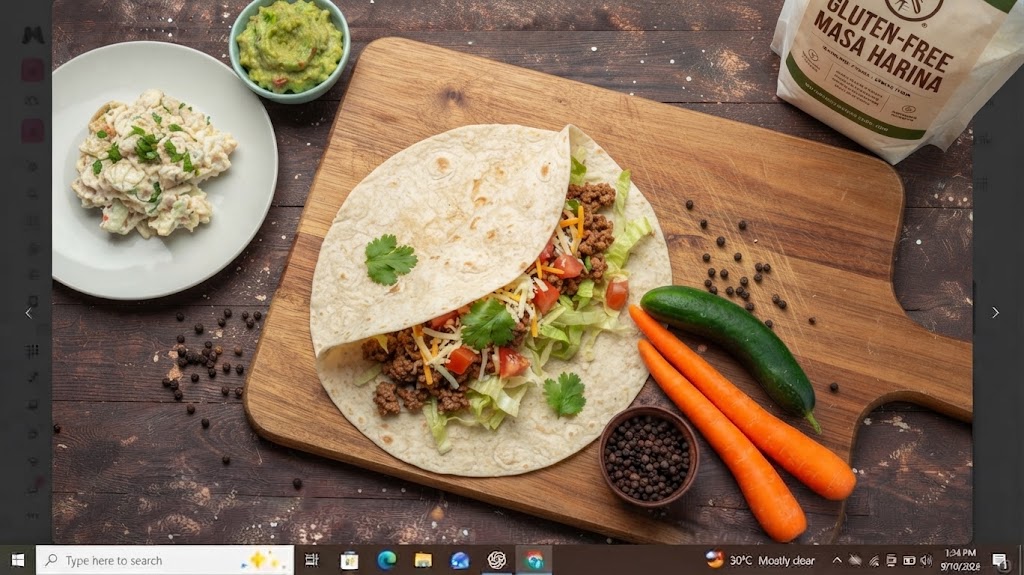
Can You Make a Gluten-Free Tortilla?
Yes, but traditional flour tortillas are made with wheat flour.
A gluten free tortilla recipe usually uses other types of flour, such as rice flour, cassava flour, tapioca flour, or a gluten-free flour blend.
The texture will not be exactly the same as traditional flour tortillas because wheat gluten helps create their stretch and flexibility.
What About an Almond Flour Tortilla Recipe?
An almond flour tortilla recipe is another option for people who want to avoid wheat.
Almond flour tortillas can be soft and useful for wraps, but they have a different flavor and texture from traditional Mexican flour tortillas.
If you want the classic taste and texture of tortillas de harina, wheat flour is the traditional choice.
Best Ways to Use Flour Tortillas
Once you make homemade tortillas, there are many ways to use them.
Burritos
Fill a large tortilla with seasoned beef, chicken, beans, rice, cheese, vegetables, and salsa.
Quesadillas
Add cheese between two tortillas and cook until the cheese melts. You can also add chicken, mushrooms, peppers, or other fillings.
Tacos
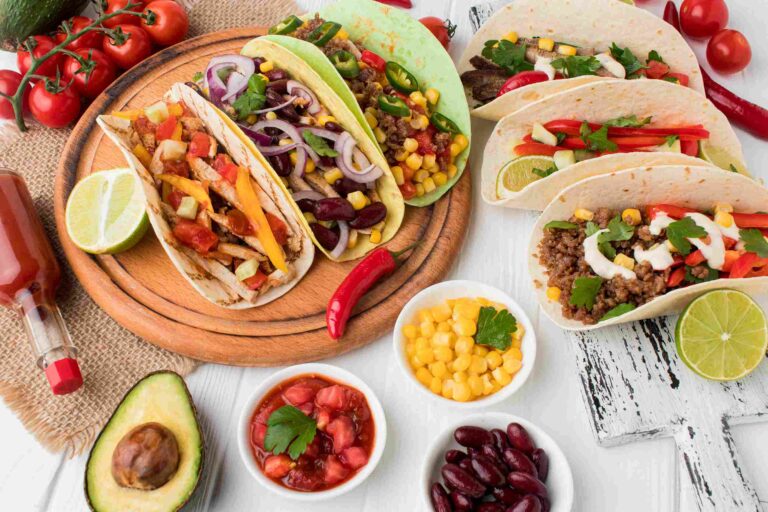
Small flour tortillas work well with grilled chicken, beef, seafood, or vegetables.
Breakfast Wraps
Use a warm tortilla to wrap scrambled eggs, potatoes, beans, cheese, and salsa for a simple breakfast.
Tortilla Pinwheels
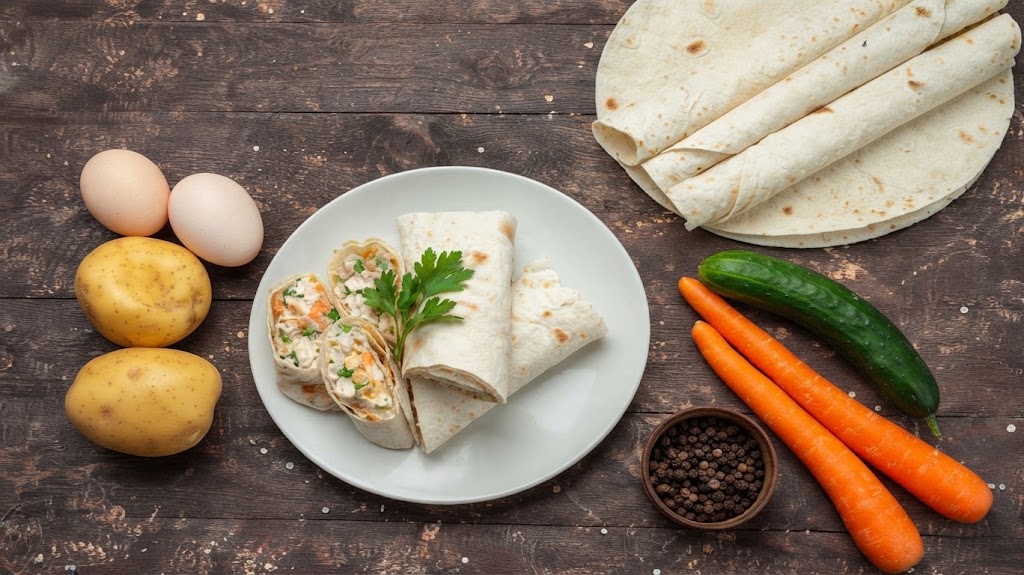
Flour tortillas are also useful for easy tortilla pinwheel recipes. Spread a filling over a tortilla, roll it tightly, chill it, and cut it into small slices.
These are simple to prepare and can be served as party snacks or appetizers.
Recipes With Tortilla Chips
Although flour tortillas are normally enjoyed soft, tortillas can also be turned into crispy snacks.
There are many recipes with tortilla chips, including nachos, chilaquiles, dips, and easy party appetizers.
You can cut tortillas into smaller pieces and cook them until crisp. Add a little salt and serve them with salsa, guacamole, or cheese dip.
Tortilla chips are also a great way to use tortillas that are no longer soft enough for wrapping.
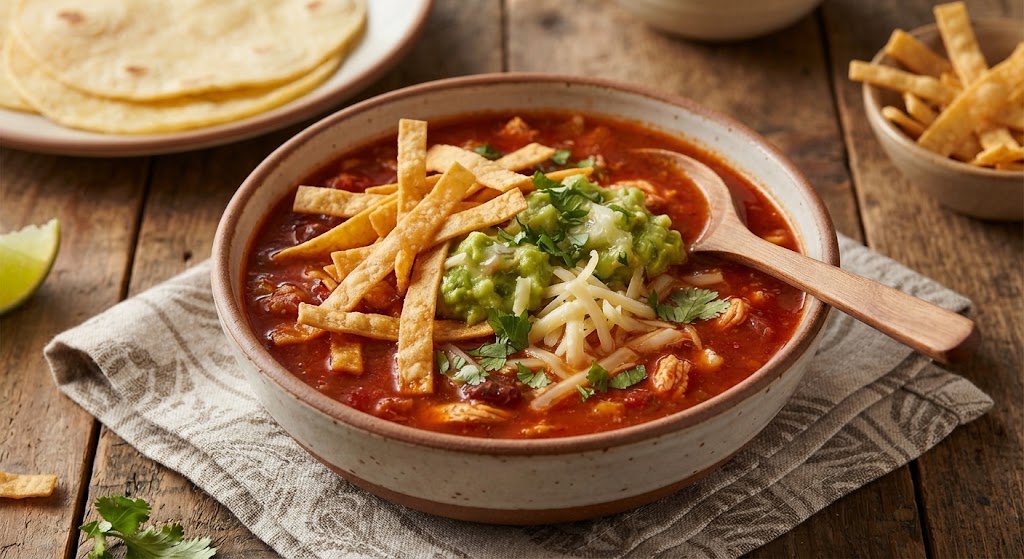
Can Tortillas Be Used for Chicken Tortilla Soup?
Yes. Tortillas are an important part of chicken tortilla soup, especially as a crispy topping.
Chicken tortilla soup usually includes chicken, tomatoes, onions, garlic, peppers, broth, and spices. Crispy tortilla strips are added just before serving.
Some people prefer making this soup in a slow cooker and search for a chicken tortilla soup crock pot recipe.
There are also many restaurant-style versions of tortilla soup, including searches for a Chick-fil-A chicken tortilla soup recipe. These versions may be different from traditional Mexican recipes, but they show how popular tortilla soup has become.
How to Store Homemade Flour Tortillas
Fresh tortillas taste best when they are warm, but you can easily store leftovers.
Allow the tortillas to cool before placing them in an airtight container or food-safe bag.
For short-term storage, keep them properly covered at room temperature. If you want to keep them longer, place them in the refrigerator or freezer.
When freezing tortillas, separate them with small pieces of parchment paper so they do not stick together.
To reheat them, place them briefly on a warm skillet. You can also warm several tortillas together and keep them covered.
Avoid heating them for too long because excess heat can make them dry.
Frequently Asked Questions
What does tortillas de harina mean?
Tortillas de harina means flour tortillas in Spanish. They are traditionally made with wheat flour, fat, salt, and water.
Are tortillas de harina authentic Mexican tortillas?
Yes. Flour tortillas are an authentic part of Mexican cuisine and are especially associated with northern Mexico.
What are the main tortilla ingredients?
The basic ingredients are flour, salt, fat, and warm water. Some recipes also use baking powder.
Why are my flour tortillas hard?
Hard tortillas can be caused by a dry dough, too much flour, overcooking, or not keeping the cooked tortillas covered.
Why do my tortillas shrink when I roll them?
The dough probably needs more resting time. Resting allows the gluten to relax and makes the dough easier to roll.
Can I make flour tortillas without lard?
Yes. You can replace lard with shortening or a neutral cooking oil.
Are tortillas de harina gluten-free?
Traditional flour tortillas are not gluten-free because they contain wheat flour. You need a suitable gluten-free recipe if you want to avoid gluten.
Final Thoughts
Making tortillas de harina at home is much easier than it first seems. Once you learn how to make a soft dough, let it rest, roll it thin, and cook it quickly, you can enjoy fresh flour tortillas whenever you want.
For me, the best part is eating them while they are still warm. Their soft texture and fresh flavor can make even a simple meal taste special.
You can use homemade tortillas for burritos, quesadillas, tacos, breakfast wraps, and many other meals. With a few simple ingredients and a little practice, homemade Mexican flour tortillas can become an easy part of your regular cooking.


3 Comments