Mexican Traditions and Culture: 15 Amazing Customs, Foods & Festivals
Mexico is a country famous for its colorful festivals, delicious traditional dishes, beautiful music, and rich cultural history. Its heritage has developed over hundreds of years through Indigenous civilizations, Spanish influences, and regional customs. From family gatherings to religious celebrations, Mexican culture reflects a strong connection between people, food, and traditions.
Food is one of the most important parts of everyday life in Mexico. Families prepare special recipes for holidays, share homemade meals, and teach traditional cooking methods to younger generations. Festivals such as Día de los Muertos and Christmas also bring communities together through music, decorations, and traditional dishes.
Understanding Mexican Traditions and Culture helps us appreciate how history, food, family values, and celebrations shape the country’s identity. In this guide, we will explore famous Mexican customs, traditional ingredients, popular foods, Christmas celebrations, and cultural festivals.
Mexican Traditions and Culture offer a wonderful way to understand the country’s heritage, regional diversity, and strong family connections.
1. What Are the Mexican Traditions?
Mexican traditions are customs, celebrations, and cultural practices passed from one generation to another. They represent the country’s history and combine Indigenous heritage, Spanish influences, religious beliefs, and regional lifestyles.
Many traditions are connected to family gatherings, traditional cooking, music, dancing, and important holidays. Some customs have existed for centuries, while others have developed through modern Mexican life.
Popular examples include:
- Celebrating Día de los Muertos in November.
- Preparing tamales for special occasions.
- Enjoying Mariachi music at celebrations.
- Celebrating Mexican Independence Day.
- Participating in Christmas traditions such as Las Posadas.
- Preparing traditional meals for weddings and family gatherings.
These customs may differ between regions and families. Northern Mexico, central Mexico, and southern communities have their own foods, celebrations, and cultural practices. This regional diversity makes Mexican heritage especially interesting.Exploring Mexican Traditions and Culture also reveals how local customs and historical influences have shaped everyday life across the country.
2. Mexican Food Traditions and Their Importance
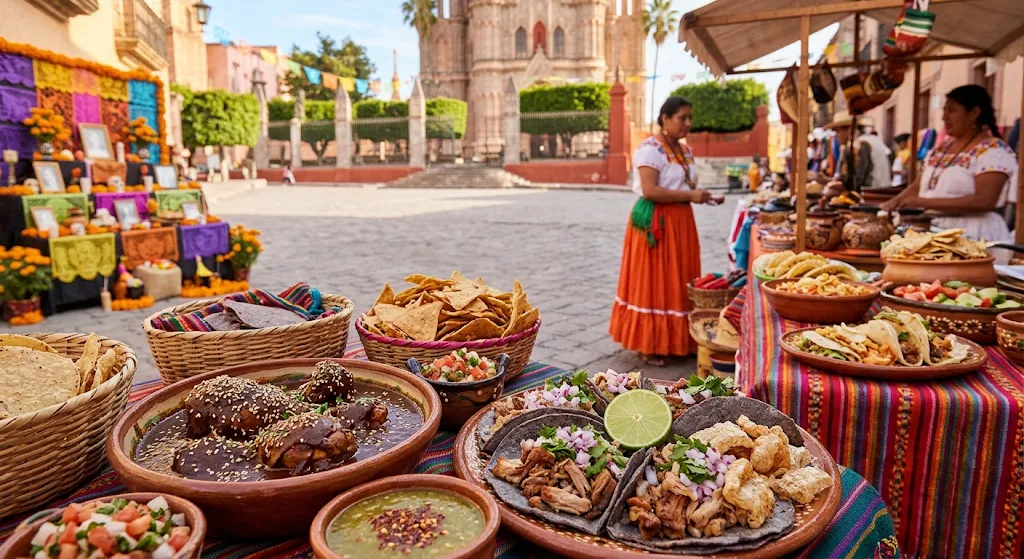
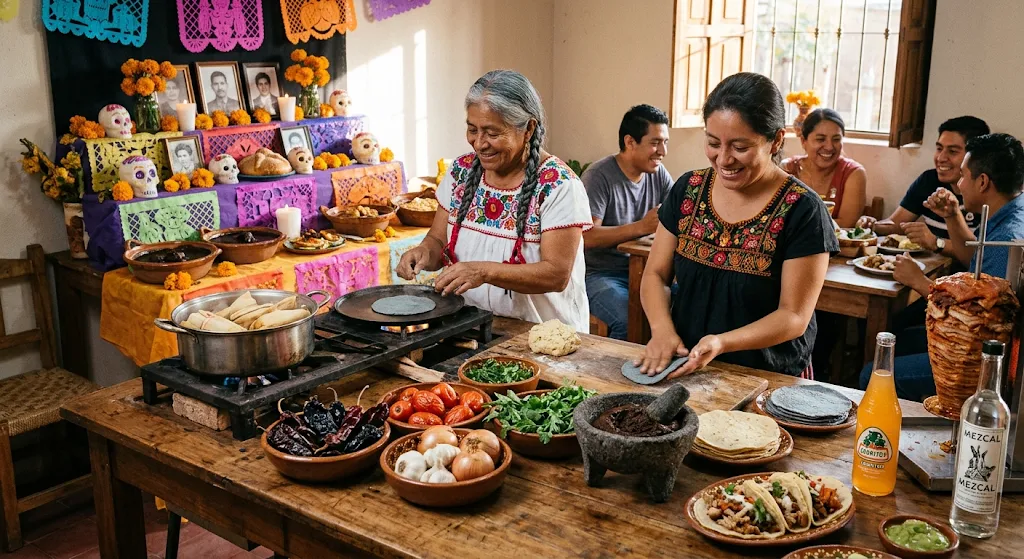
Food plays a central role in Mexican communities. Traditional meals are more than something people eat; they are a way to celebrate family relationships, preserve history, and share cultural experiences.
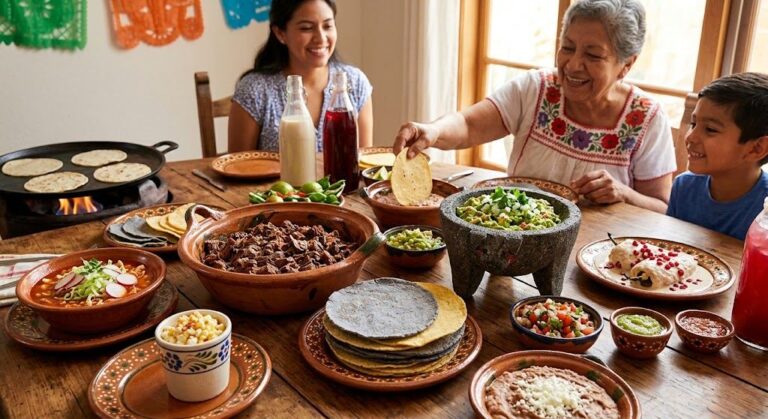
Many Mexican families prepare recipes that have been passed down through generations. Grandparents often teach younger family members how to make tortillas, prepare fresh salsa, cook beans, and season traditional dishes.
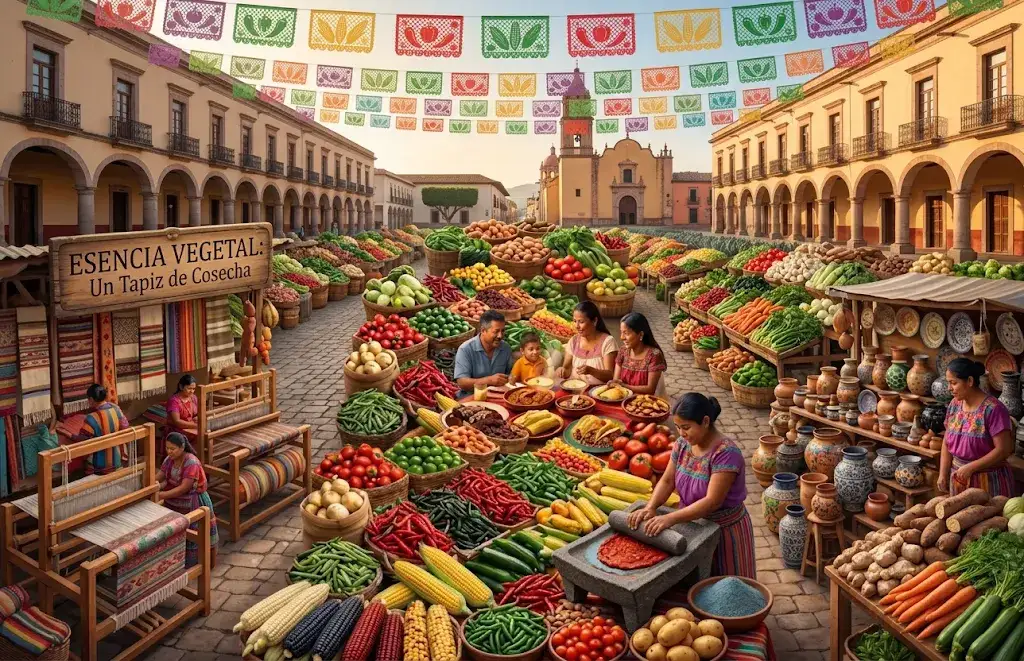
Corn is especially important in Mexican cooking. It is used to make tortillas, tamales, tostadas, and many other popular foods. Beans, chilies, tomatoes, and avocados are also common ingredients in everyday meals.
Traditional cooking methods remain important in many households. Some families use clay pots, stone grinding tools, and slow cooking techniques to prepare authentic recipes. However, modern kitchens and appliances are also widely used.
Special dishes are prepared for occasions such as birthdays, weddings, Christmas, and religious celebrations. Mole, pozole, and tamales are examples of foods that can bring relatives together around the dinner table.
Mexican Traditions and Culture remain closely connected through these food practices because recipes, cooking skills, and family memories are shared from one generation to another.
3. Traditional Mexican Food Ingredients
Mexican cuisine is known for its fresh ingredients, rich flavors, and colorful combinations. Many traditional ingredients have deep historical roots and continue to play an important role in everyday cooking.
Here are some essential ingredients used in Mexican food:
Corn: Corn is one of the foundations of Mexican cuisine. It is used to prepare tortillas, tamales, pozole, and many other traditional dishes.
Beans: Black beans and pinto beans are popular sources of nutrition. They are served as side dishes, fillings, and ingredients in soups.
Chilies: Ancho, guajillo, pasilla, and jalapeño chilies add different levels of heat, color, and flavor to Mexican recipes.
Tomatoes: Fresh tomatoes are commonly used in salsas, sauces, soups, and stews.
Tomatillos: These green fruits have a slightly tangy flavor and are important ingredients in salsa verde.

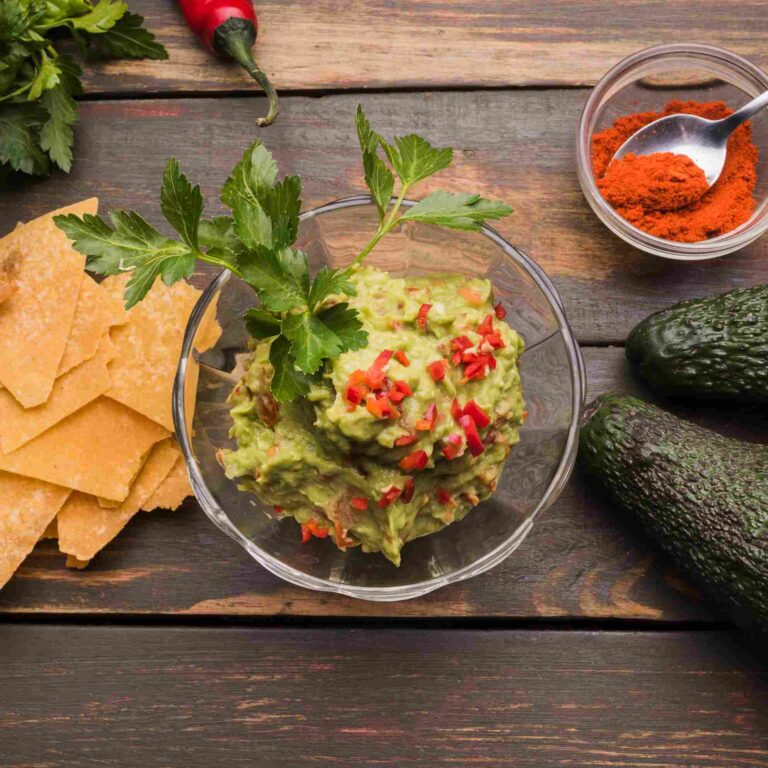
Avocados: Avocados are used in guacamole, salads, sandwiches, and taco toppings.
Cilantro: Fresh cilantro gives a refreshing taste to salsas, soups, and many traditional dishes.
Lime: Lime juice adds freshness to tacos, seafood, drinks, and other Mexican recipes.
Onions and Garlic: These ingredients provide a flavorful base for sauces, soups, and cooked dishes.
Using these ingredients in balanced combinations helps create the distinctive flavors associated with traditional Mexican cuisine.
4. Traditional Mexican Foods You Should Know
Mexico offers a wide variety of traditional dishes, and every region has its own specialties. Some recipes are popular throughout the country, while others are strongly connected to particular communities.
Here are six traditional foods worth knowing.
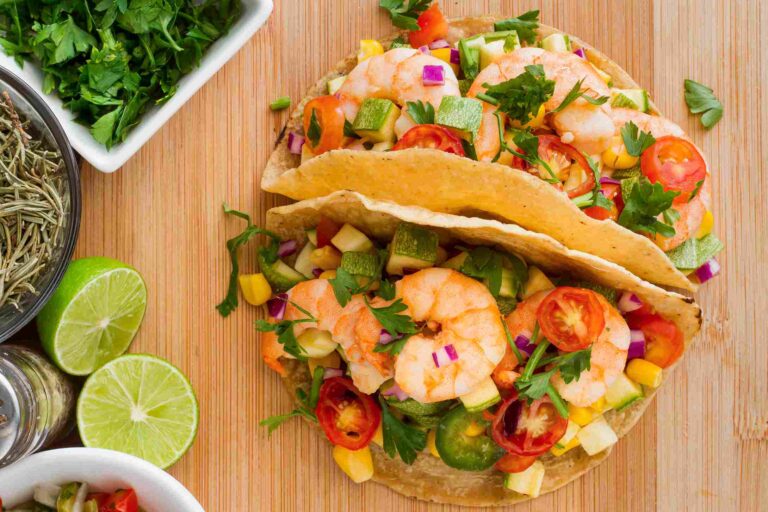
Tacos: Tacos are made with corn or flour tortillas filled with meat, vegetables, beans, or other ingredients. They are commonly served with onions, cilantro, lime, and salsa.
Tamales: Tamales are prepared using masa, a dough made from corn. They may contain meat, cheese, chilies, or sweet fillings and are wrapped in corn husks or banana leaves before steaming.
Enchiladas: These dishes feature tortillas filled with different ingredients and covered with flavorful sauces. Common fillings include chicken, cheese, and beans.
Pozole: Pozole is a traditional soup prepared with hominy, meat, and seasonings. It is often served with cabbage, radishes, onions, and lime.
Mole: Mole is a rich sauce made with ingredients such as chilies, spices, seeds, and sometimes chocolate. Different Mexican regions have their own versions.
Chiles Rellenos: These are peppers filled with cheese or other ingredients. They are often coated in egg batter and cooked until golden.
These foods demonstrate the variety of flavors, ingredients, and cooking traditions found throughout Mexico.Mexican Traditions and Culture are reflected in these traditional dishes, as each recipe represents regional ingredients, cooking skills, and generations of culinary knowledge.

5. Mexican Food Holidays and Special Celebrations
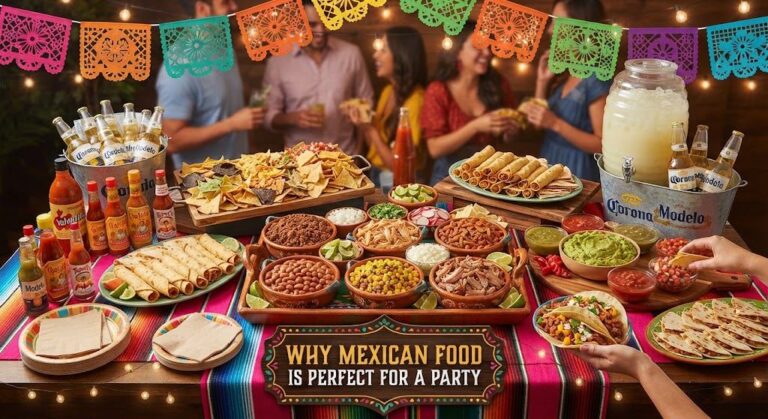
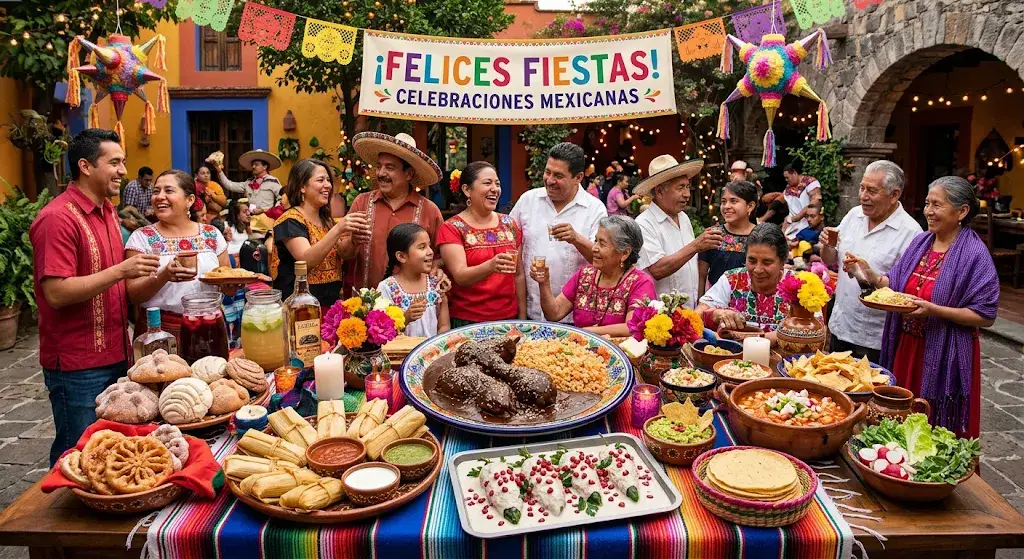
Food is an important part of many Mexican holidays. Families prepare special dishes, invite relatives, and enjoy meals together during cultural and religious celebrations.
Some popular occasions include:
Día de los Muertos: Families prepare pan de muerto, sugar skulls, and other foods while creating ofrendas to remember loved ones who have passed away.
Christmas: Tamales, pozole, bacalao, and buñuelos are enjoyed in many households during the holiday season.
Día de la Candelaria: Celebrated on February 2, this occasion is associated with eating tamales. People who find a small figure inside the Rosca de Reyes traditionally host or provide tamales for the gathering.
Mexican Independence Day: Celebrated on September 16, this national holiday includes community events, family meals, and popular dishes such as pozole and chiles en nogada.
Easter Celebrations: Some families prepare special meals and follow religious food customs during Holy Week.
These food holidays show how traditional recipes help people celebrate important moments and maintain connections with their communities.
Mexican Traditions and Culture are especially visible during these celebrations, where traditional foods bring families and communities closer together.
6. Navidad Traditions in Mexico
Christmas, known as Navidad in Spanish, is an important celebration in many Mexican communities. The holiday season includes religious activities, family gatherings, traditional food, music, and colorful decorations.
One of the most famous customs is Las Posadas. These celebrations take place from December 16 through December 24 and represent Mary and Joseph’s search for shelter before the birth of Jesus.
During Las Posadas, people participate in processions, sing traditional songs, share food, and sometimes break piñatas. Children and adults enjoy these gatherings with relatives and neighbors.
Christmas Eve, known as Nochebuena, is another important occasion. Families often gather for a special dinner and spend time together.
Popular Christmas dishes include:
- Tamales filled with meat, cheese, or other ingredients.
- Pozole served with fresh toppings.
- Bacalao prepared with traditional seasonings.
- Ensalada de Nochebuena made with seasonal ingredients.
- Buñuelos served as a sweet holiday treat.
- Ponche Navideño, a warm fruit-based Christmas drink.
These Navidad traditions in Mexico demonstrate the importance of family, religion, and food during the holiday season.

7. Interesting Facts About Mexican Christmas
Mexican Christmas celebrations include several customs that make the holiday season special.
Here are some interesting facts:
1. The Celebrations Begin in December: Many communities start their Christmas season with celebrations for the Virgin of Guadalupe on December 12.
2. Las Posadas Last Nine Nights: These celebrations begin on December 16 and continue until Christmas Eve.
3. Nochebuena Is Important: Christmas Eve is often the main occasion for family dinners and gatherings.
4. Piñatas Are Popular: Traditional star-shaped piñatas are commonly used during Las Posadas.
5. Three Kings Day Is Celebrated: On January 6, many families enjoy Rosca de Reyes, a traditional sweet bread.
6. Tamales Are a Holiday Favorite: Many households prepare different varieties of tamales for Christmas and other celebrations.
7. Christmas Drinks Are Popular: Ponche Navideño is a traditional warm beverage made with fruits and spices.
These facts about Mexican Christmas highlight how food, family, and religious customs create meaningful holiday experiences.

8. Mexican Traditions and Customs Around Family
Family relationships are important in many Mexican communities. Relatives often maintain close connections and support one another during important occasions.
Family meals are a common way to spend time together. Sunday lunches, birthday celebrations, weddings, and religious events provide opportunities for relatives to meet and enjoy traditional food.
Some common family customs include:
- Celebrating birthdays with relatives and friends.
- Preparing homemade meals for special occasions.
- Showing respect to grandparents and older family members.
- Sharing traditional recipes with younger generations.
- Organizing family gatherings during holidays.
- Supporting relatives during important life events.
Food often becomes the center of these gatherings. Families may prepare large portions of tacos, tamales, rice, beans, and other favorite dishes.
However, family customs are not identical across Mexico. They can vary depending on regional background, personal beliefs, and individual family preferences.
Mexican Traditions and Culture are strongly reflected in these family connections, where shared meals and celebrations help preserve cultural memories.
9. Famous Mexican Festivals and Cultural Celebrations
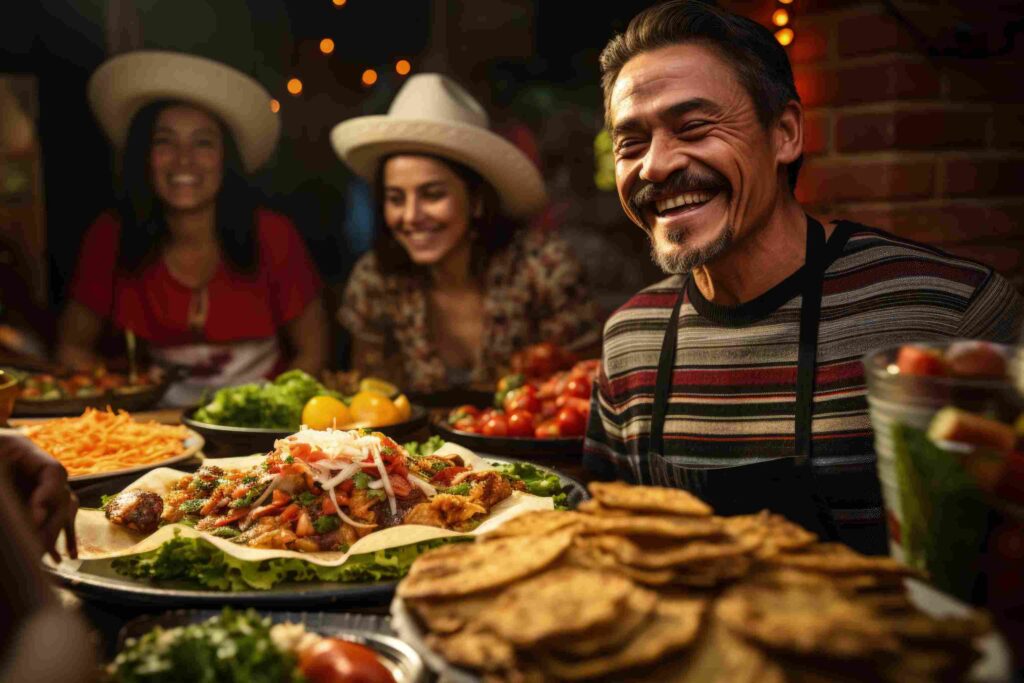
Mexico celebrates many festivals throughout the year. These events represent its history, religious heritage, and regional customs.
Día de los Muertos: Celebrated on November 1 and 2, this tradition honors deceased loved ones. Families create ofrendas decorated with photographs, candles, marigold flowers, and favorite foods.
Cinco de Mayo: This celebration commemorates the Mexican victory over French forces at the Battle of Puebla in 1862. It is especially important in Puebla.
Mexican Independence Day: Celebrated on September 16, this national holiday marks the beginning of Mexico’s independence movement in 1810.
Día de la Virgen de Guadalupe: Celebrated on December 12, this important religious occasion includes prayers, processions, and community gatherings.
Guelaguetza: This cultural festival takes place in Oaxaca and features regional music, traditional dances, clothing, and community performances.
These celebrations provide opportunities to appreciate Mexico’s history and cultural diversity.Many Mexican Traditions and Culture-related celebrations also help younger generations understand the country’s historical roots and regional heritage.

10. Traditional Mexican Music, Dance, and Clothing
Music and dance are important expressions of Mexican identity. Different regions have their own musical styles, instruments, costumes, and traditional performances.
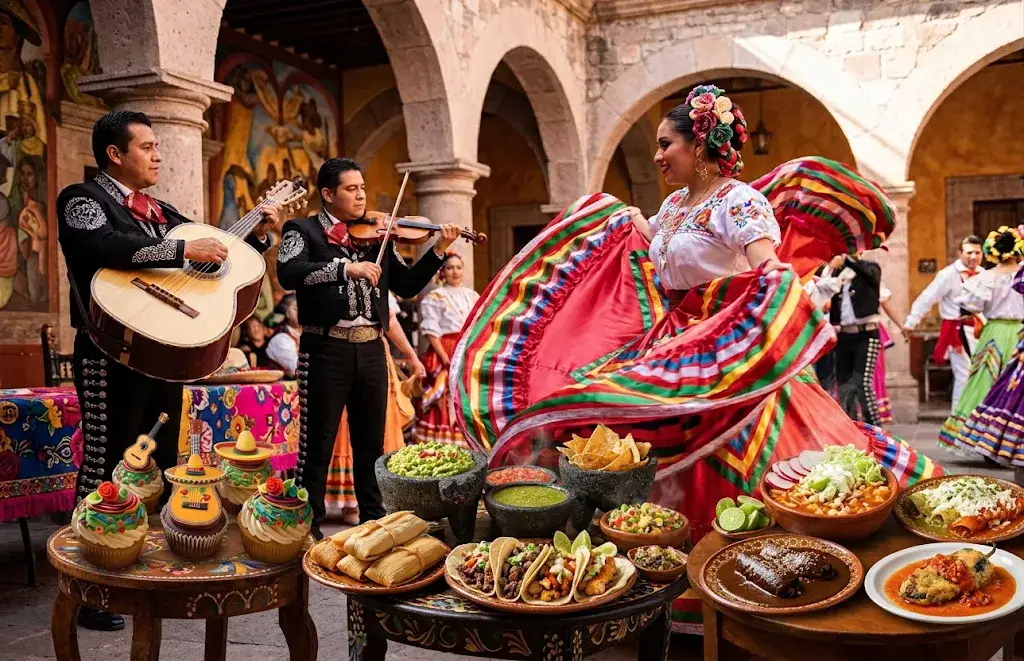
Mariachi is one of the most recognizable forms of Mexican music. It commonly features violins, trumpets, guitars, and the guitarrón. Mariachi groups perform at weddings, birthdays, festivals, and other celebrations.
Traditional folklórico dancing is another important cultural expression. Performers wear colorful dresses and costumes while presenting dances inspired by different Mexican regions.
Traditional clothing varies across communities. Embroidered dresses, woven garments, rebozos, and handmade textiles are examples of clothing associated with different regional traditions.
These artistic practices help communities preserve their cultural identity and introduce younger generations to traditional forms of expression.Music, dance, and traditional clothing are essential parts of Mexican Traditions and Culture because they preserve regional identity and celebrate the country’s artistic heritage.
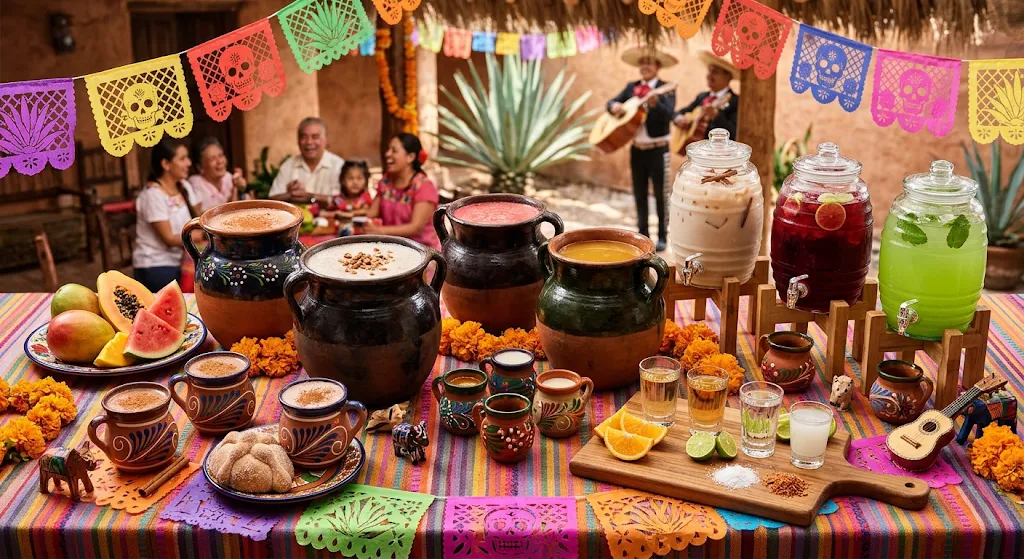
11. Traditional Mexican Drinks and Their Cultural Importance
Mexican beverages are another important part of the country’s food heritage. Many traditional drinks are prepared at home and served during family meals, festivals, and special occasions.
Atole: A warm, thick drink traditionally prepared with masa, water or milk, and sweeteners.
Champurrado: A chocolate-based version of atole that is especially popular during colder weather and Christmas celebrations.
Horchata: A refreshing beverage commonly made with rice, cinnamon, water, and sugar.
Agua Fresca: A light drink prepared using fruits, water, and sometimes herbs or seeds.
Mexican Hot Chocolate: A traditional chocolate beverage that may include cinnamon and other spices.
Agua de Jamaica: A refreshing drink made from dried hibiscus flowers, water, and sugar.
These beverages complement traditional meals and offer a taste of Mexico’s diverse culinary heritage.
12. How Mexican Traditions Are Preserved Today
Mexican Traditions and Culture continue to be preserved through family recipes, community celebrations, traditional crafts, and cultural education. Many families teach children how to prepare traditional dishes and explain the importance of holidays and customs.
Local festivals also help younger generations understand their history. Traditional music, dancing, clothing, and regional cooking are regularly featured at cultural events.
Restaurants and local food markets contribute to preserving Mexican cuisine by serving traditional recipes and regional specialties. Some communities also organize cooking workshops to teach traditional preparation methods.
Modern technology has created additional opportunities to share cultural knowledge. Families can record recipes, share cooking videos, and connect with relatives living in other countries.
Although lifestyles continue to change, many people maintain a strong connection to their heritage. Traditional practices can adapt to modern life without losing their cultural meaning.Through these efforts, Mexican Traditions and Culture continue to remain an important part of modern Mexican society.
13. Why Mexican Traditions and Culture Are Unique
Mexico’s cultural identity is special because it combines Indigenous heritage, Spanish influences, regional customs, and modern lifestyles.
Its food traditions are particularly important. Ingredients such as corn, beans, chilies, tomatoes, and avocados have shaped Mexican cooking for generations.
Festivals such as Día de los Muertos demonstrate the importance of remembering family history. Christmas celebrations highlight the role of food, religion, and togetherness.
Music, dance, traditional clothing, and local celebrations add further richness to the country’s heritage. Each region contributes different flavors, customs, and artistic expressions.
This combination makes Mexican culture diverse and meaningful. Its traditions are not simply memories of the past; they continue to influence everyday life and connect communities across generations.
Frequently Asked Questions (FAQs)
1. What Are the Most Famous Mexican Traditions?
Some famous Mexican traditions include Día de los Muertos, Las Posadas, Mexican Independence Day, Mariachi music, traditional dancing, and family celebrations.
2. What Foods Are Traditionally Eaten in Mexico?
Popular traditional Mexican foods include tacos, tamales, enchiladas, pozole, mole, chiles rellenos, and regional specialties.
3. What Are Some Mexican Christmas Traditions?
Mexican Christmas traditions include Las Posadas, Nochebuena family dinners, piñatas, traditional music, and enjoying foods such as tamales and ponche.
4. What Are Traditional Mexican Food Ingredients?
Common ingredients include corn, beans, chilies, tomatoes, avocados, cilantro, lime, onions, and garlic.
5. Why Is Food Important in Mexican Culture?
Food brings families and communities together. Traditional recipes also preserve cultural history and connect younger generations with their heritage.
6. What Is the Most Recognized Mexican Cultural Celebration?
Día de los Muertos is one of Mexico’s most internationally recognized cultural celebrations. However, different festivals hold special importance for different regions and communities.
Conclusion
Mexican heritage offers a fascinating combination of traditional food, family values, music, festivals, and historical customs. From enjoying homemade tamales during Christmas to celebrating Día de los Muertos, these practices bring communities together and preserve important cultural memories.
Food remains one of the strongest connections between generations. Traditional recipes, local ingredients, and family gatherings allow people to share their history while enjoying meaningful moments together. Exploring Mexican Traditions and Culture provides a deeper appreciation of the country’s unique identity and the customs that continue to make it special.