Mexico is famous for its vibrant culture, warm hospitality, and unforgettable food. Every meal reflects centuries of history, regional traditions, and family values that have been carefully preserved over time. Mexican food is more than something people eat—it is a celebration of community, heritage, and everyday life.
From handmade tortillas prepared in family kitchens to colorful dishes served during festivals, food plays an important role in bringing people together. Recipes are often passed from grandparents to younger generations, keeping traditions alive while creating memories around the dining table.
One of the most remarkable things about Mexican cuisine is its diversity. Every region has its own unique flavors, ingredients, and cooking styles. Coastal areas are known for fresh seafood, northern Mexico is famous for grilled meats, while southern regions are celebrated for rich sauces, traditional tamales, and ancient cooking techniques. This regional variety makes Mexican food one of the most exciting cuisines in the world.
Fresh ingredients are at the heart of Mexican cooking. Corn, beans, chili peppers, tomatoes, avocados, herbs, and spices are combined in countless ways to create meals that are both simple and flavorful. Many traditional dishes are still prepared using cooking methods that have been practiced for hundreds of years.
In this guide, you’ll explore the history of Mexican food culture, discover its traditional ingredients, learn about family customs and celebrations, understand regional cooking styles, and see why Mexican cuisine continues to inspire food lovers around the globe.
What Is Mexican Food Culture?
Mexican food culture is the collection of traditions, customs, cooking techniques, and shared experiences that shape how food is prepared and enjoyed throughout Mexico. It represents much more than recipes. It reflects the country’s history, regional identity, and the strong relationships between family, friends, and community.
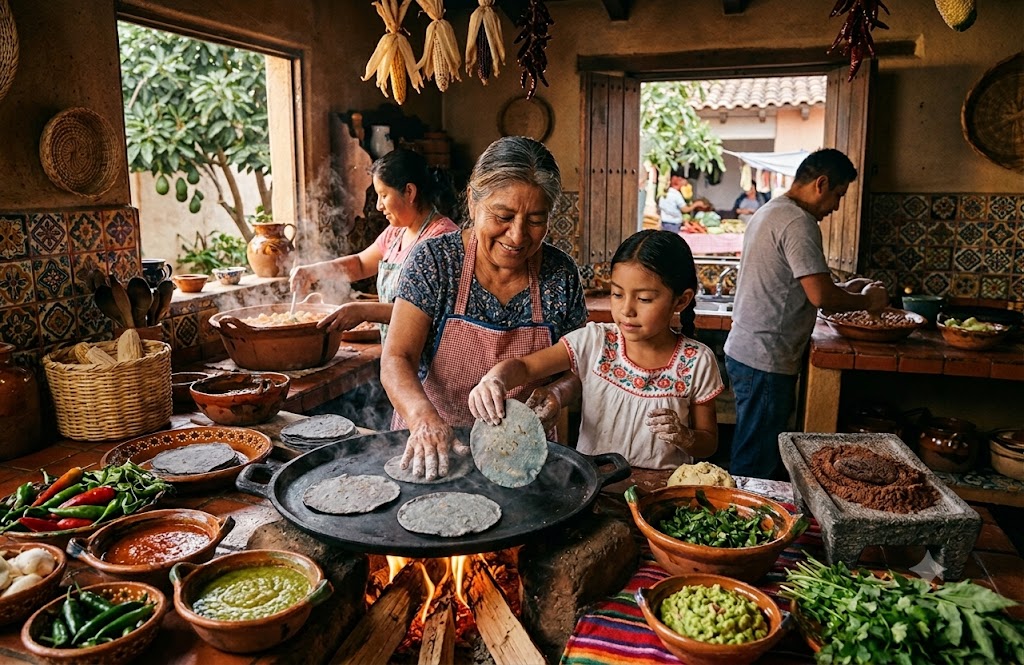
In many Mexican homes, cooking is a daily tradition rather than a simple task. Families often prepare meals together, with each person contributing to the process. Some make fresh tortillas, others prepare salsa, while someone else cooks the main dish. This teamwork creates not only delicious meals but also meaningful family moments.
Food is present during every important event in life. Weddings, birthdays, religious celebrations, national holidays, and local festivals all feature traditional dishes prepared with care. Certain recipes are closely connected to specific celebrations, making food an important part of Mexico’s cultural identity.
Another defining feature of Mexican food culture is hospitality. Guests are welcomed warmly and are often offered homemade food soon after arriving. Sharing meals is considered a way to show kindness, respect, and appreciation. Even simple dishes are prepared with attention to detail because serving good food is a source of pride.
Local markets also play an important role in everyday life. Many families prefer buying fresh fruits, vegetables, herbs, spices, cheese, and meat from neighborhood vendors rather than relying on processed foods. This commitment to fresh ingredients helps preserve the authentic flavors of Mexican cuisine.
Regional diversity adds another layer of richness to Mexican food culture. Recipes vary from one state to another depending on local ingredients, climate, and traditions. This means that traveling through Mexico is also a journey through many different culinary experiences.
The History of Mexican Food Culture
The story of Mexican food begins thousands of years ago. It is one of the world’s oldest culinary traditions and continues to influence kitchens across the globe today.
Indigenous Civilizations and Their Food Traditions
Long before European explorers arrived, civilizations such as the Maya, Aztec, Zapotec, and Olmec had already developed advanced farming systems and cooking techniques. Their diets were based on ingredients that remain essential in Mexican cuisine today.
Corn was the foundation of daily life. It was used to make tortillas, tamales, atole, and many other traditional foods. Beans provided an excellent source of protein, while squash, tomatoes, avocados, cacao, and chili peppers added nutrition and flavor to everyday meals.
Ancient communities prepared food using methods that are still valued today. Corn was ground into fresh masa using stone tools, vegetables were roasted over open fires, tamales were steamed in natural wrappers, and clay pots were used for soups and stews.
Food was closely connected to agriculture, religion, and community celebrations. Harvest festivals, ceremonies, and family gatherings often centered around meals prepared from locally grown ingredients.
Spanish Influence on Mexican Cuisine
During the 16th century, Spanish settlers introduced new ingredients such as rice, wheat, onions, garlic, citrus fruits, beef, pork, chicken, dairy products, and various herbs.
Rather than replacing traditional foods, these ingredients blended with indigenous cooking methods to create entirely new recipes. Cheese was added to tortillas, meats were combined with chili-based sauces, and European baking techniques introduced new breads and desserts.
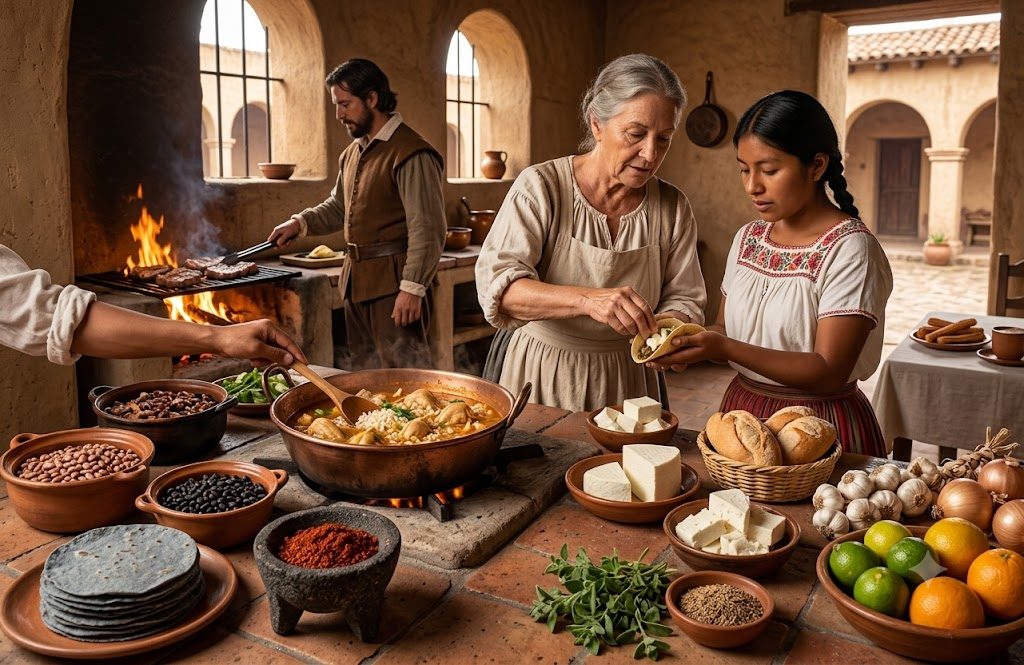
This combination of cultures gave Mexican cuisine its unique identity while preserving the country’s original culinary traditions.
The Evolution of Modern Mexican Food Culture
Today, Mexican food continues to evolve while remaining deeply connected to its roots. Traditional family recipes are still prepared in homes across the country, especially during holidays and celebrations. Local markets remain important places where fresh ingredients are purchased every day, helping preserve authentic cooking practices.
Modern chefs have introduced creative ideas while respecting traditional techniques, allowing Mexican cuisine to gain worldwide recognition. At the same time, home cooks continue to teach younger generations how to prepare family recipes, ensuring that Mexico’s culinary heritage remains alive.
Whether enjoyed at a family dinner, a neighborhood market, or a local festival, Mexican food continues to represent tradition, creativity, hospitality, and the strong cultural identity of the Mexican people.
Why Food Is Important in Mexican Culture
Food is at the heart of Mexican culture. It is much more than a way to satisfy hunger—it is a way to connect with family, celebrate traditions, and strengthen communities. Across Mexico, meals are often shared with loved ones, and preparing food together is considered an important part of everyday life.
Food Brings Families Together
In many Mexican households, cooking is a family activity. Parents, grandparents, and children often work together in the kitchen, preparing meals from scratch using recipes that have been passed down through generations.
Making tortillas by hand, grinding spices, preparing tamales, or stirring a pot of mole are not just cooking tasks—they are family traditions. These moments create memories while helping younger generations learn the skills and recipes that define their cultural heritage.
Sunday lunches are especially important in many families. Relatives gather around the table to enjoy homemade meals, catch up with one another, and celebrate the joy of being together.
Hospitality Through Food
Hospitality is one of the strongest values in Mexican culture. Visitors are often welcomed with food or a refreshing drink shortly after arriving. Offering a homemade meal is a way of showing kindness, generosity, and respect.
Whether it’s a simple plate of tacos or a large family feast, sharing food helps create a warm and welcoming atmosphere. Many hosts take pride in preparing dishes that make guests feel comfortable and appreciated.
Food During Celebrations
Food plays a central role in almost every Mexican celebration. Weddings, birthdays, baptisms, anniversaries, religious holidays, and national festivals all include traditional dishes prepared especially for the occasion.
Families may spend several days cooking together before a celebration. Recipes such as tamales, pozole, mole, and special desserts are often reserved for these meaningful events because they require time, care, and teamwork.
These celebrations remind people that food is not just about eating—it is about preserving traditions and creating lasting memories.
Recipes Passed from Generation to Generation
One of the most beautiful aspects of Mexican food culture is the way recipes are shared. Grandparents often teach children and grandchildren how to prepare family favorites, explaining techniques that may never have been written down.
This tradition helps preserve authentic flavors while keeping family history alive. Every household has its own special recipes, making homemade food deeply personal and meaningful.
Traditional Mexican Ingredients
Fresh, simple ingredients form the foundation of authentic Mexican cuisine. Many of these foods have been used for thousands of years and continue to appear in traditional recipes throughout the country.
Corn
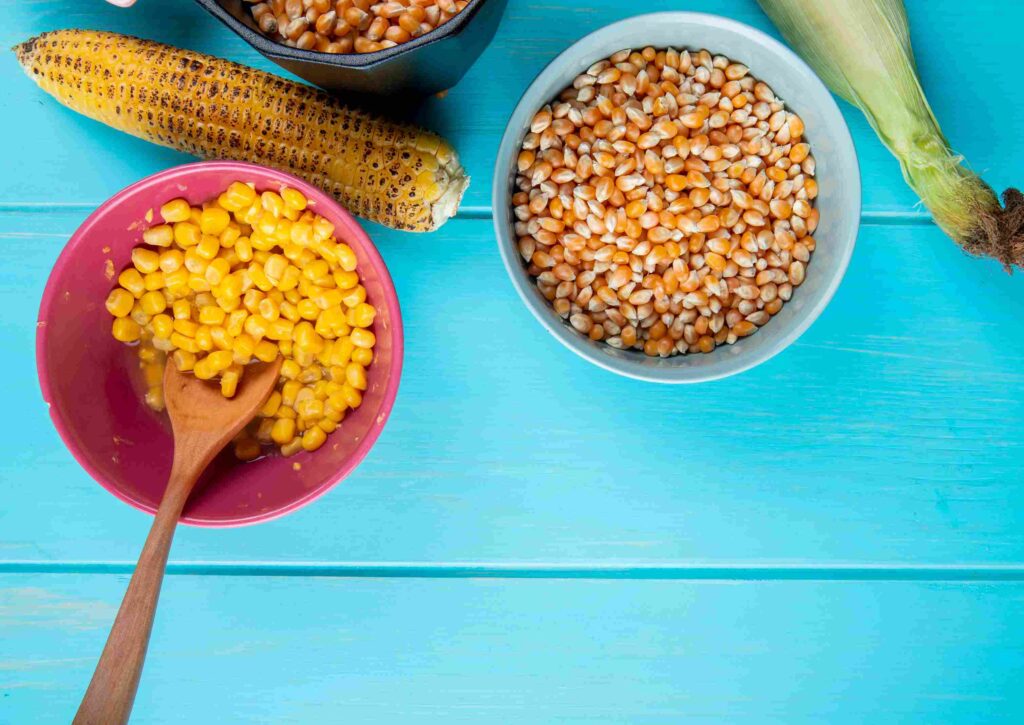
Corn is the most important ingredient in Mexican cooking. It has been grown in Mexico since ancient times and remains a daily staple for millions of people.
It is used to make tortillas, tamales, sopes, gorditas, atole, and many other traditional dishes. Corn is more than just an ingredient—it is a symbol of Mexican identity and culinary heritage.
Beans
Beans are another essential part of Mexican cuisine. Black beans, pinto beans, and other local varieties provide protein, fiber, and rich flavor.
They are served as side dishes, mashed into refried beans, added to soups, or used as fillings for tacos, burritos, and tostadas.
Chili Peppers
Chili peppers give Mexican food its famous depth of flavor. While many people associate chilies with heat, they also contribute sweetness, smokiness, fruitiness, and aroma.
Different recipes use different varieties depending on the desired flavor. Fresh and dried chilies both play important roles in authentic cooking.
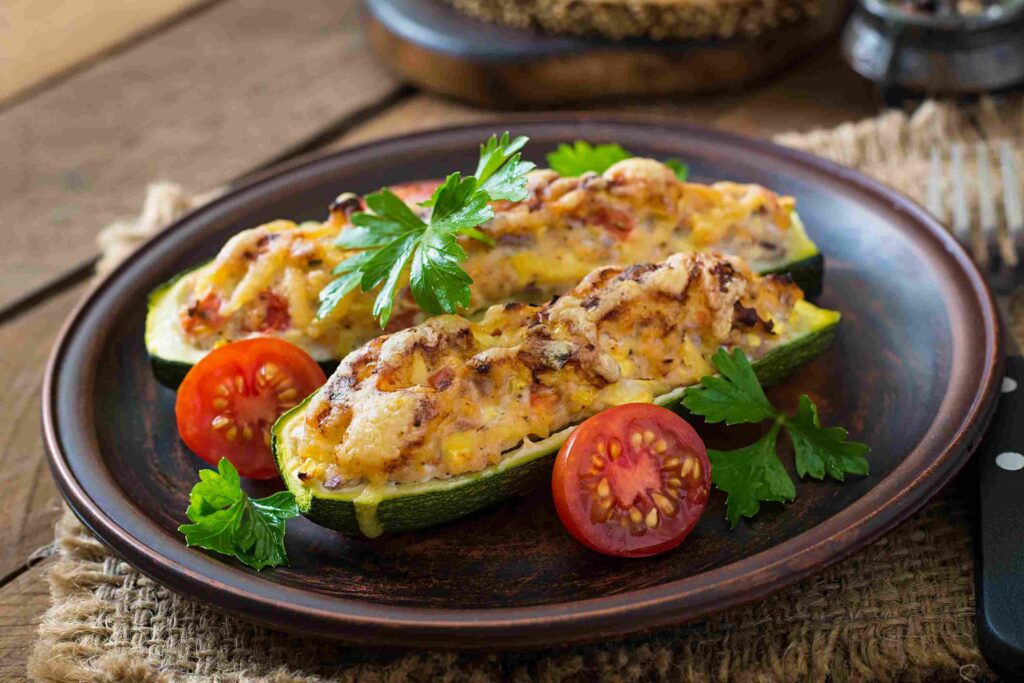
Tomatoes
Tomatoes are used in many traditional sauces, soups, rice dishes, and fresh salsas. Roasting tomatoes before blending them creates a deeper flavor that is commonly found in homemade Mexican recipes.
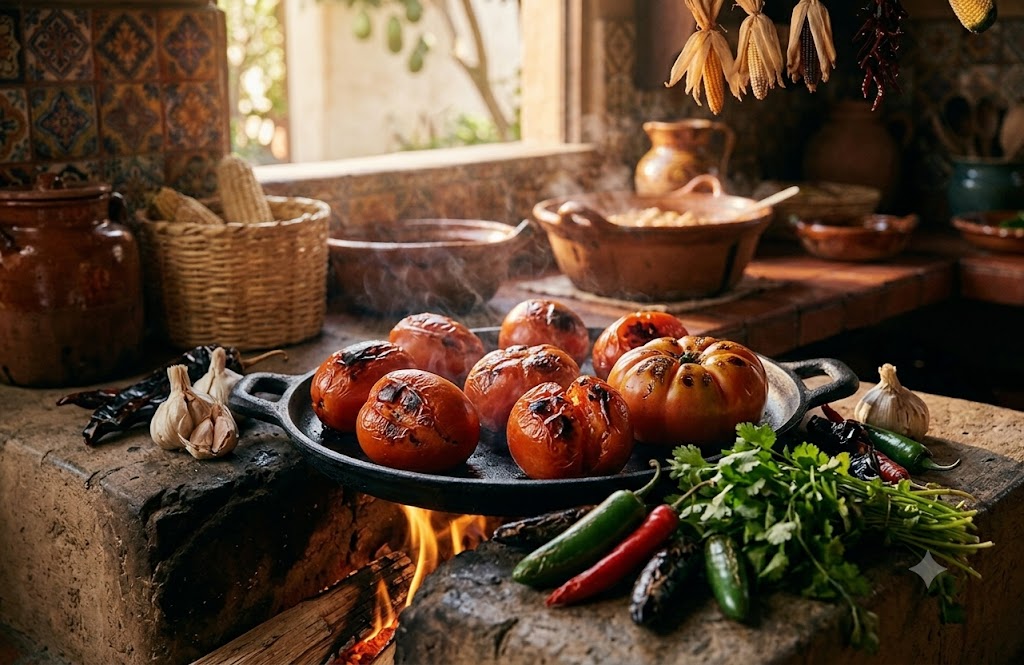
Combined with onions, garlic, and chili peppers, tomatoes create the base of countless dishes.
Avocados
Avocados are widely enjoyed throughout Mexico. They are most famous as the main ingredient in guacamole, but they are also sliced into tacos, salads, tortas, and breakfast dishes.
Their creamy texture and healthy fats make them both delicious and nutritious.
Fresh Herbs
Fresh herbs add brightness and freshness to Mexican cuisine. Cilantro is commonly sprinkled over tacos, soups, grilled meats, and rice dishes.
Other herbs, such as Mexican oregano and epazote, are often used in beans, stews, and sauces to enhance their flavor.
Mexican Spices
Traditional Mexican recipes use spices to build rich, balanced flavors rather than simply adding heat.
Cumin, oregano, cinnamon, cloves, paprika, and black pepper are frequently combined to season meats, soups, sauces, and rice dishes.
Chocolate and Cacao
Mexico is the birthplace of cacao, making chocolate an important part of its culinary history. Traditional chocolate is used not only in desserts but also in savory dishes such as mole.
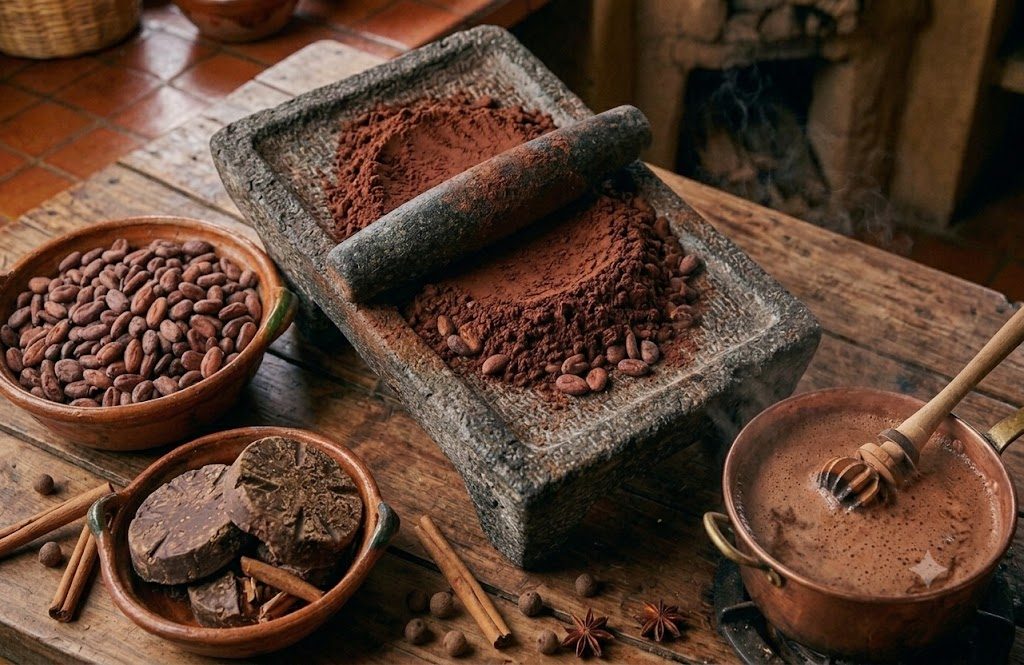
Hot chocolate prepared with cinnamon and traditional Mexican chocolate remains a favorite drink during holidays and family gatherings.
Traditional Mexican Cooking Methods
Authentic Mexican cuisine is built on cooking techniques that have been passed down through generations. Many of these methods are still used today because they create rich flavors while preserving the natural qualities of fresh ingredients.
Nixtamalization
One of the oldest and most important cooking techniques is nixtamalization. Corn is soaked and cooked in an alkaline solution before being ground into masa.
This traditional process improves both the flavor and nutritional value of corn while creating the soft dough used to make tortillas, tamales, sopes, and many other classic foods.
Grilling
Grilling is widely used throughout Mexico to prepare meats, seafood, vegetables, and tortillas.
Cooking over an open flame adds a delicious smoky flavor that enhances many traditional recipes, especially tacos and grilled meat dishes.
Slow Cooking
Many Mexican dishes are cooked slowly to allow flavors to develop naturally. Mole, pozole, stews, and braised meats often simmer for hours, creating rich, tender, and deeply satisfying meals.
Slow cooking is especially common during holidays and family celebrations.
Steaming
Steaming is best known for making tamales. Masa filled with meat, cheese, vegetables, or sweet fillings is wrapped in corn husks and gently steamed until soft and tender.
This method helps preserve moisture while creating a light, delicate texture.
Roasting
Roasting vegetables such as tomatoes, onions, garlic, and chili peppers is a traditional way to build flavor. These roasted ingredients are blended into homemade salsas and sauces that have a rich, smoky taste.
Cooking with Clay Pots
Clay pots have been used in Mexican kitchens for centuries. They distribute heat evenly and enhance the flavor of soups, beans, sauces, and stews.
Although modern cookware is common today, many families still use clay pots when preparing traditional recipes because they believe they produce a richer, more authentic taste.
Daily Meals in Mexican Culture
Food is an important part of everyday life in Mexico. While recipes and eating habits can vary from one region to another, many families follow similar meal traditions. Fresh ingredients, homemade cooking, and sharing meals with loved ones remain at the heart of Mexican daily life.
Traditional Mexican Breakfast
Breakfast is often a satisfying meal that provides energy for the day ahead. Many families enjoy freshly prepared dishes made with simple ingredients such as eggs, tortillas, beans, cheese, salsa, and fresh fruit.
Popular breakfast dishes include chilaquiles, huevos rancheros, breakfast tacos, tamales, and pan dulce served with coffee or hot chocolate. In many homes, breakfast is prepared fresh each morning rather than relying on processed foods.
Lunch – The Main Family Meal
Lunch is traditionally the largest meal of the day in Mexico. Families often gather in the afternoon to enjoy a complete homemade meal that may include soup, rice, beans, tortillas, a main dish, and a refreshing drink.
Meals are usually prepared using fresh vegetables, herbs, and local ingredients. This daily tradition gives families time to connect, share stories, and enjoy quality time together.
Dinner Traditions
Dinner is usually lighter than lunch but remains an important family meal. Many people enjoy tacos, quesadillas, soups, tortas, or leftovers from lunch.
Some families gather around the table again in the evening, while others enjoy a relaxed meal after work or school. Regardless of the menu, sharing food remains an important part of family life.
Popular Mexican Snacks
Snacking is also common throughout the day. Fresh fruit sprinkled with chili powder and lime, roasted corn, tortilla chips with salsa, sweet bread, and local street food are popular choices.
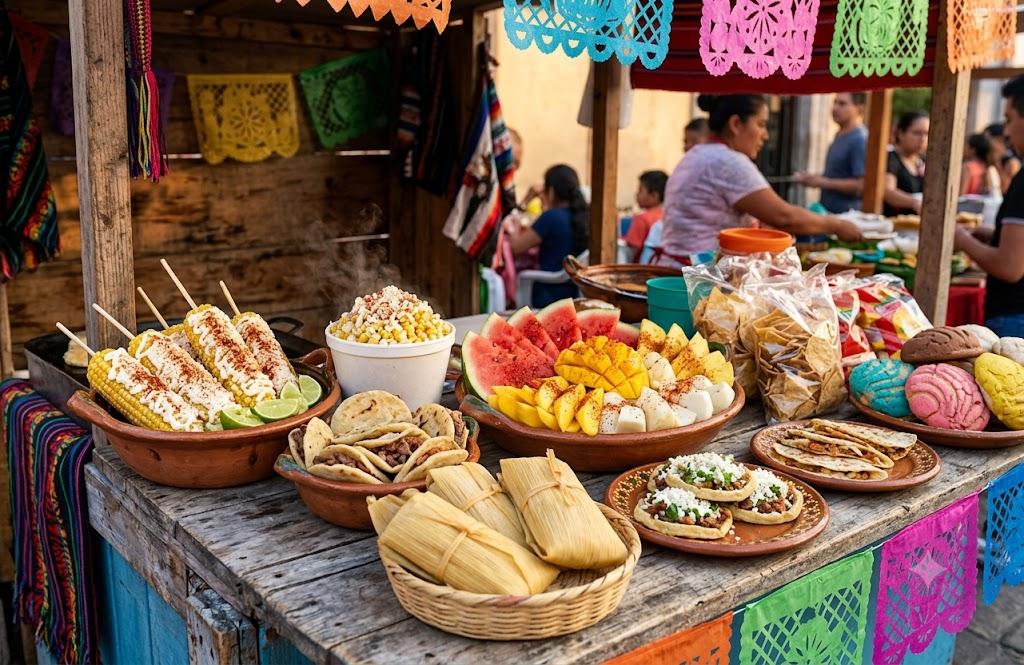
Markets and food stalls throughout Mexico offer a wide variety of freshly prepared snacks that reflect the country’s rich culinary traditions.
Mexican Family Food Traditions
Food plays an important role in strengthening family relationships. Many traditions revolve around cooking together, sharing recipes, and celebrating life’s special moments with homemade meals.
Cooking Together
Preparing food is often a shared activity. Parents, grandparents, children, and relatives work side by side to prepare traditional recipes. Some family members knead masa for tortillas or tamales, while others prepare sauces, chop vegetables, or cook the main dishes.
Cooking together is not only practical but also helps preserve valuable traditions that have been passed down through generations.
Sunday Family Meals
Sunday lunch is a long-standing tradition in many Mexican households. Family members gather to enjoy large homemade meals featuring favorite recipes that everyone looks forward to.
These gatherings provide an opportunity to reconnect, celebrate family bonds, and enjoy conversations that may last for hours around the dining table.
Grandparents’ Recipes
Many of the most treasured recipes in Mexico come from grandparents. Instead of written instructions, cooking techniques are often taught through observation and practice.
Each family develops its own unique version of traditional dishes, making every recipe a meaningful part of its history.
Celebrating with Homemade Food
Whether celebrating birthdays, weddings, baptisms, graduations, or anniversaries, homemade food is always at the center of the occasion.
Preparing meals for loved ones is considered a way to show affection, gratitude, and hospitality. Many families begin cooking days before important celebrations to ensure every dish is prepared with care.
Food and Mexican Festivals
Festivals are an important part of Mexican culture, and food plays a central role in every celebration. Many traditional dishes are closely connected to specific holidays and cultural events.
Día de los Muertos
Día de los Muertos, or the Day of the Dead, honors the memories of loved ones who have passed away. Families prepare favorite foods, sweet bread known as Pan de Muerto, sugar skulls, tamales, mole, and other traditional dishes to place on family altars and enjoy together.
Food symbolizes remembrance, love, and the continuing connection between generations.
Christmas Celebrations
Christmas is one of the most important holidays in Mexico. Families gather to prepare festive meals that often include tamales, pozole, bacalao, roasted meats, salads, desserts, and warm drinks such as champurrado or hot chocolate.
Cooking together is an important part of the celebration, with relatives helping prepare large meals for everyone to enjoy.
Mexican Independence Day
Mexican Independence Day is celebrated every year on September 16. Families and communities prepare traditional dishes such as tacos, enchiladas, pozole, tamales, and chiles en nogada while enjoying music, parades, and fireworks.
The celebration highlights both national pride and Mexico’s rich culinary traditions.
Las Posadas
Las Posadas is a traditional celebration held during the days leading up to Christmas. Families and neighbors gather each evening for prayers, music, and festive meals.
Tamales, atole, buñuelos, and hot chocolate are among the foods commonly served during these joyful gatherings.
Local Food Festivals
Throughout the year, towns and cities across Mexico host food festivals celebrating regional specialties. Visitors can sample traditional recipes, watch cooking demonstrations, and learn about local ingredients directly from experienced cooks and artisans.
These festivals help preserve regional food traditions while introducing them to new generations.
Regional Food Culture in Mexico
Mexico’s geography has created an incredible variety of regional cuisines. Climate, local ingredients, and cultural history all influence the dishes prepared in different parts of the country.
Northern Mexico
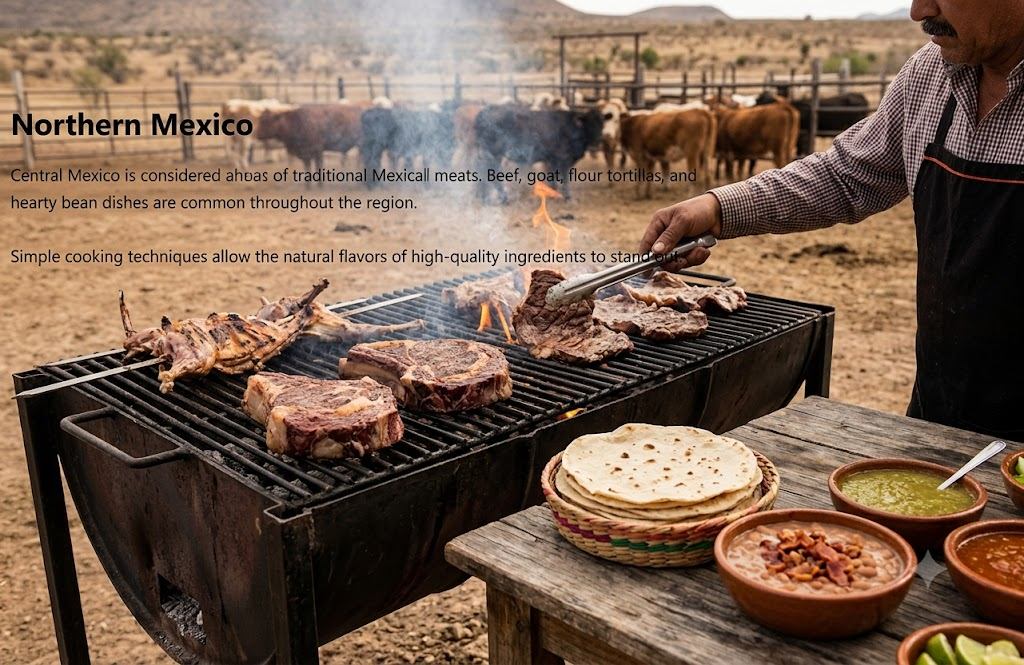
Northern Mexico is famous for cattle ranching and grilled meats. Beef, goat, flour tortillas, and hearty bean dishes are common throughout the region.
Simple cooking techniques allow the natural flavors of high-quality ingredients to stand out.
Central Mexico
Central Mexico is considered the heart of traditional Mexican cuisine. Corn, beans, vegetables, herbs, and chili peppers are used in a wide variety of recipes enjoyed throughout the region.
Many well-known dishes, including tacos, enchiladas, tamales, and pozole, have deep roots in central Mexico.
Southern Mexico
Southern Mexico is celebrated for its rich sauces, handmade tortillas, tropical fruits, and ancient cooking traditions.
Complex mole sauces, traditional tamales, and dishes featuring local herbs and spices are especially popular here.
Oaxaca
Oaxaca is often called the culinary capital of Mexico. The region is known for its famous mole sauces, tlayudas, artisan cheeses, mezcal, and vibrant food markets.
Traditional cooking techniques remain an important part of everyday life, helping preserve centuries-old recipes.
Yucatán Peninsula
The Yucatán Peninsula has a unique food culture shaped by ancient Mayan traditions. Citrus fruits, herbs, spices, and slow-cooked meats are common ingredients.
Regional dishes are known for their bright flavors and distinctive seasonings that set them apart from the rest of Mexico.
Baja California
Baja California is famous for its fresh seafood and coastal cuisine. Fish tacos, shrimp dishes, ceviche, and grilled seafood are local favorites.
The region combines traditional Mexican recipes with modern culinary creativity, making it a popular destination for food lovers from around the world.
Mexico’s regional diversity is one of the greatest strengths of its food culture. Every area offers unique ingredients, recipes, and traditions that contribute to the country’s remarkable culinary heritage.
Mexican Street Food Culture
Street food is one of the most exciting parts of Mexican food culture. Across cities, towns, and villages, food vendors prepare fresh meals that are affordable, flavorful, and deeply connected to local traditions. Street food is more than a quick meal—it is a daily ritual that brings people together and showcases authentic regional flavors.
Why Street Food Is So Popular
Street food is convenient, affordable, and made with fresh ingredients. Many vendors specialize in just one or two dishes that they have perfected over many years.
Locals often stop at their favorite food stalls for breakfast, lunch, dinner, or an evening snack. These small businesses are an important part of Mexican communities and help preserve traditional recipes.
Famous Mexican Street Foods
Mexico offers an incredible variety of street foods. Some of the most popular include:
- Tacos filled with grilled meat, seafood, chicken, or vegetables
- Elote (grilled corn on the cob)
- Esquites (corn served in a cup with cheese and spices)
- Tamales wrapped in corn husks
- Gorditas stuffed with meat, beans, or cheese
- Sopes topped with beans, meat, lettuce, and salsa
- Tortas filled with fresh ingredients and homemade sauces
- Quesadillas cooked fresh on a hot comal
Every region adds its own local flavors, making street food an exciting way to experience authentic Mexican cuisine.
Local Markets and Food Stalls
Traditional markets are the heart of many Mexican communities. Visitors can find fresh produce, handmade tortillas, local cheeses, spices, herbs, desserts, and cooked meals all in one place.
These markets provide an opportunity to meet local vendors, discover regional specialties, and experience the friendly atmosphere that makes Mexican food culture so welcoming.
Dining Etiquette in Mexico
Sharing meals is an important part of Mexican life, and there are several customs that reflect the country’s values of hospitality and respect.
Family-Style Dining
Many meals are served family-style, with dishes placed in the center of the table for everyone to enjoy together. This encourages conversation and creates a relaxed dining experience.
Respect for Homemade Food
Home-cooked meals are highly valued. Preparing food requires time and effort, so guests often express appreciation for the meal. Complimenting the cook is considered polite and respectful.
Hospitality Comes First
Guests are warmly welcomed into Mexican homes. Hosts often encourage visitors to eat more and make sure everyone feels comfortable before serving themselves.
Offering food is one of the most common ways to show kindness and generosity.
Enjoying Meals Together
Meals are rarely rushed. Families often spend time talking and enjoying each other’s company long after the food has been served. Dining is viewed as an opportunity to strengthen relationships rather than simply eat.
Traditional Mexican Drinks
Mexican beverages are as diverse as the country’s cuisine. Many traditional drinks have been enjoyed for centuries and are closely connected to family traditions and celebrations.
Horchata
Horchata is a refreshing drink made from rice, cinnamon, water, and sugar. It is commonly served cold and pairs perfectly with spicy meals.
Agua Fresca
Agua Fresca is prepared by blending fresh fruits with water and a little sugar. Popular flavors include watermelon, hibiscus, tamarind, pineapple, and mango.
It is one of the most refreshing drinks enjoyed during warm weather.
Atole
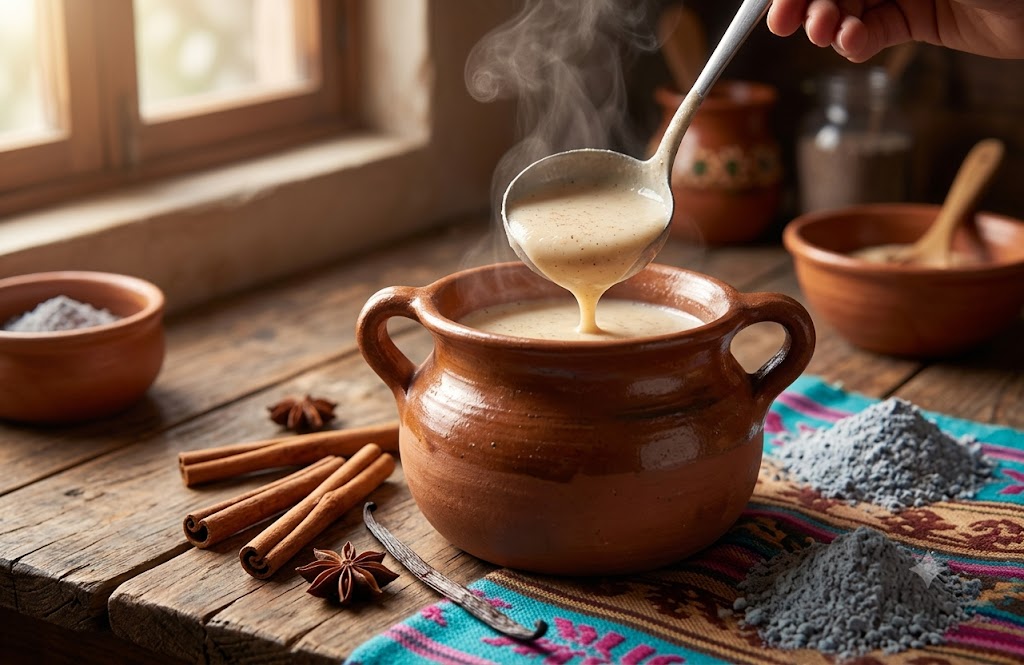
Atole is a warm beverage made from masa, milk or water, cinnamon, and vanilla. It has been part of Mexican culture for hundreds of years and is often served with tamales.
Champurrado
Champurrado is a rich chocolate version of atole. It combines traditional chocolate with masa and cinnamon to create a comforting drink enjoyed during holidays and cool mornings.
Mexican Hot Chocolate
Mexican hot chocolate is famous for its rich chocolate flavor combined with cinnamon and vanilla. It is traditionally whisked until frothy and served with sweet bread or breakfast dishes.
Mexican Desserts and Sweet Traditions
Desserts hold a special place in Mexican celebrations and family gatherings. Many traditional sweets have been enjoyed for generations.
Popular Mexican desserts include:
- Churros coated in cinnamon sugar
- Tres Leches Cake soaked in three kinds of milk
- Flan with smooth caramel topping
- Arroz con Leche made with rice, milk, and cinnamon
- Pan Dulce served with coffee or hot chocolate
- Buñuelos enjoyed during holidays
These desserts reflect the creativity and warmth of Mexican home cooking.
Mexican Food Culture Around the World
Today, Mexican cuisine is one of the most recognized and appreciated food traditions in the world. Authentic Mexican restaurants can be found across North America, Europe, Asia, Australia, and many other regions.
Travelers often discover Mexico through its food, while home cooks enjoy preparing traditional recipes in their own kitchens. Cooking shows, food festivals, and social media have introduced millions of people to authentic Mexican dishes and regional specialties.
Mexican cuisine has also influenced many international chefs who appreciate its fresh ingredients, balanced flavors, and rich culinary traditions.
How to Experience Authentic Mexican Food Culture
If you want to experience authentic Mexican food culture, there are many enjoyable ways to begin.
Visit local Mexican restaurants that prepare traditional recipes using fresh ingredients. Explore regional dishes instead of ordering only familiar favorites.
Cook homemade Mexican recipes using fresh vegetables, herbs, and authentic seasonings. Learning to prepare tortillas, salsa, guacamole, or tamales is a great way to appreciate traditional cooking methods.
If you have the opportunity to travel to Mexico, visit local markets, family-owned restaurants, and regional food festivals. These experiences provide a deeper understanding of the country’s culinary traditions than tourist attractions alone.
Reading about Mexican history and regional cuisines can also help you understand why food is such an important part of everyday life.
Frequently Asked Questions
What is Mexican food culture?
Mexican food culture is the collection of traditions, cooking methods, family customs, ingredients, and regional recipes that define how food is prepared and shared throughout Mexico.
Why is food important in Mexican culture?
Food brings families together, celebrates important events, preserves cultural traditions, and reflects the country’s history and regional diversity.
What are traditional Mexican foods?
Traditional Mexican foods include tacos, tamales, pozole, enchiladas, mole, chiles rellenos, tortillas, beans, and many regional specialties.
What are the main ingredients in Mexican cuisine?
Corn, beans, chili peppers, tomatoes, onions, garlic, avocados, herbs, spices, and fresh vegetables form the foundation of Mexican cooking.
How do Mexican families celebrate with food?
Families prepare homemade meals together for birthdays, weddings, religious holidays, national celebrations, and Sunday gatherings. Cooking and sharing food are important ways to strengthen family relationships.
Conclusion
Mexican food culture is a beautiful blend of history, family traditions, regional diversity, and fresh ingredients. Every meal reflects centuries of knowledge, creativity, and a deep appreciation for sharing food with others. From handmade tortillas and rich mole sauces to lively street markets and festive holiday meals, Mexican cuisine offers an unforgettable culinary experience.
What makes Mexican food truly special is the connection between people and their traditions. Recipes are passed from one generation to the next, preserving not only flavors but also stories, memories, and cultural identity. Whether enjoyed during a simple family dinner or a joyful festival, every dish carries a sense of pride and belonging.
Exploring Mexican food culture is about more than trying new recipes. It is an opportunity to understand the country’s rich heritage, discover regional specialties, and appreciate the warmth and hospitality that make Mexican cuisine loved around the world. By learning about its traditions and preparing authentic dishes at home, you can experience the true spirit of Mexico—one delicious meal at a time.