Mexican food has become one of the most popular cuisines in the world. From small family-owned restaurants to modern dining spots in major cities, Mexican restaurants attract millions of food lovers every year. Their colorful dishes, fresh ingredients, bold flavors, and welcoming atmosphere make them a favorite choice for casual meals and special occasions alike.
One of the biggest reasons people love Mexican restaurants is the variety of food they offer. Whether you enjoy tacos, enchiladas, tamales, burritos, grilled meats, fresh seafood, or flavorful vegetarian dishes, there is something for everyone. Many restaurants also prepare homemade salsa, fresh guacamole, and hand-pressed tortillas that give every meal an authentic taste.
Mexican restaurants are more than places to eat—they are places where culture, tradition, and hospitality come together. Many recipes have been passed down through generations, preserving cooking techniques that have been used for hundreds of years. From traditional family recipes to modern interpretations, Mexican cuisine continues to grow while staying true to its roots.
In this complete guide, you’ll learn about the history of Mexican restaurants, the different types of dining experiences, popular menu items, regional specialties, dining etiquette, and helpful tips for choosing the best Mexican restaurant. Whether you’re visiting for the first time or already enjoy Mexican food, this guide will help you better understand and appreciate one of the world’s most celebrated cuisines.
What Is a Mexican Restaurant?
A Mexican restaurant is a place that serves dishes inspired by the traditional cuisine of Mexico. These restaurants range from small neighborhood eateries and street food stalls to upscale fine dining establishments. While every restaurant has its own style, the goal is the same—to serve flavorful meals made with fresh ingredients and authentic cooking techniques.
Authentic Mexican restaurants focus on recipes that reflect the country’s rich culinary heritage. They often prepare fresh tortillas, homemade salsas, slow-cooked meats, and traditional sauces using locally sourced ingredients whenever possible.
Many restaurants also highlight regional specialties. A restaurant specializing in the cuisine of Oaxaca may feature rich mole sauces and tlayudas, while one inspired by the Yucatán Peninsula might offer citrus-marinated meats and tropical flavors. This regional diversity makes every dining experience unique.
Mexican restaurants are also known for their warm hospitality. Guests are welcomed with friendly service, colorful décor, and a relaxed atmosphere that encourages families and friends to enjoy meals together.
Why Mexican Restaurants Are Loved Worldwide
Mexican restaurants continue to grow in popularity because they offer something for everyone.
One reason is the wide variety of dishes available. Menus often include grilled meats, seafood, vegetarian options, soups, rice dishes, tacos, enchiladas, burritos, tamales, and fresh salads.
Another reason is the use of fresh ingredients. Tomatoes, onions, garlic, avocados, cilantro, chili peppers, corn, beans, and fresh herbs create meals that are both flavorful and nutritious.
Many people also appreciate the balance of flavors in Mexican cuisine. Rather than focusing only on spicy food, authentic recipes combine smoky, tangy, savory, sweet, and fresh ingredients to create meals that are satisfying without being overwhelming.
Finally, Mexican restaurants provide an enjoyable dining experience where sharing food, spending time with loved ones, and celebrating traditions are just as important as the meal itself.
The History of Mexican Restaurants
The story of Mexican restaurants begins long before restaurants existed. It starts with the rich culinary traditions developed by Indigenous civilizations thousands of years ago.
Indigenous Culinary Traditions
Ancient civilizations such as the Maya, Aztec, Zapotec, and Olmec built their diets around ingredients that remain essential today. Corn, beans, squash, tomatoes, avocados, cacao, and chili peppers formed the foundation of everyday cooking.
Meals were prepared using traditional techniques such as roasting over open fires, steaming, grinding corn into masa, and cooking in clay pots. These methods created flavorful dishes that continue to influence Mexican cuisine.
Markets also played an important role. Local communities gathered to buy fresh ingredients, prepared foods, and handmade products, creating early food traditions that still exist throughout Mexico.
Spanish Influence on Mexican Cuisine
When the Spanish arrived in the 16th century, they introduced new ingredients including rice, wheat, garlic, onions, beef, pork, chicken, dairy products, cinnamon, and citrus fruits.
Rather than replacing Indigenous foods, these ingredients blended with local cooking traditions. This cultural exchange produced many of the dishes that are now considered classics of Mexican cuisine.
Over time, Mexican cooking evolved into one of the world’s richest and most diverse culinary traditions.
The Growth of Mexican Restaurants Worldwide
As Mexican communities settled in different parts of the world, they brought their recipes and food traditions with them. Small family-owned restaurants introduced authentic dishes to new audiences, helping people discover the rich flavors of Mexican cuisine.
Over the years, Mexican restaurants became popular across North America, Europe, Asia, Australia, and many other regions. While some restaurants adapted recipes to local tastes, many continued serving traditional dishes prepared with authentic ingredients.
Today, diners can find everything from casual taco shops and neighborhood cantinas to elegant fine dining restaurants that celebrate regional Mexican cuisine.
Modern Mexican Restaurants
Modern Mexican restaurants successfully combine tradition with creativity. Many chefs continue using family recipes while presenting dishes in fresh and innovative ways.
Some restaurants specialize in regional cooking, while others offer a broad menu featuring popular favorites from across Mexico. Fresh ingredients, handmade tortillas, house-made salsas, and authentic seasonings remain at the heart of quality Mexican dining.
Whether you visit a small local restaurant or an award-winning dining destination, the best Mexican restaurants share the same commitment to flavor, hospitality, and preserving the traditions that make Mexican cuisine so special.
Types of Mexican Restaurants
Mexican restaurants come in many different styles, each offering a unique dining experience. Some focus on traditional family recipes, while others serve modern dishes with creative presentations. Understanding the different types of Mexican restaurants can help you choose the perfect place for any occasion.
Family-Owned Mexican Restaurants
Family-owned restaurants are often considered the heart of authentic Mexican cuisine. Many have been operating for generations, using recipes that have been passed down from parents and grandparents.
These restaurants usually prepare food from scratch using fresh ingredients, homemade tortillas, and traditional cooking methods. The atmosphere is warm and welcoming, making guests feel like part of the family.
If you’re looking for authentic flavors and homemade meals, a family-owned Mexican restaurant is often the best choice.
Casual Mexican Restaurants
Casual Mexican restaurants are perfect for everyday dining. They offer comfortable seating, affordable prices, and a wide variety of menu options.
Popular dishes include tacos, burritos, enchiladas, quesadillas, nachos, rice, beans, and fresh salads. Many also serve homemade salsa and chips as a complimentary appetizer.
These restaurants are ideal for families, friends, and anyone looking for a relaxed meal.
Fine Dining Mexican Restaurants
Fine dining Mexican restaurants combine traditional recipes with modern culinary techniques. Chefs often use premium ingredients and elegant presentation while respecting the authentic flavors of Mexican cuisine.
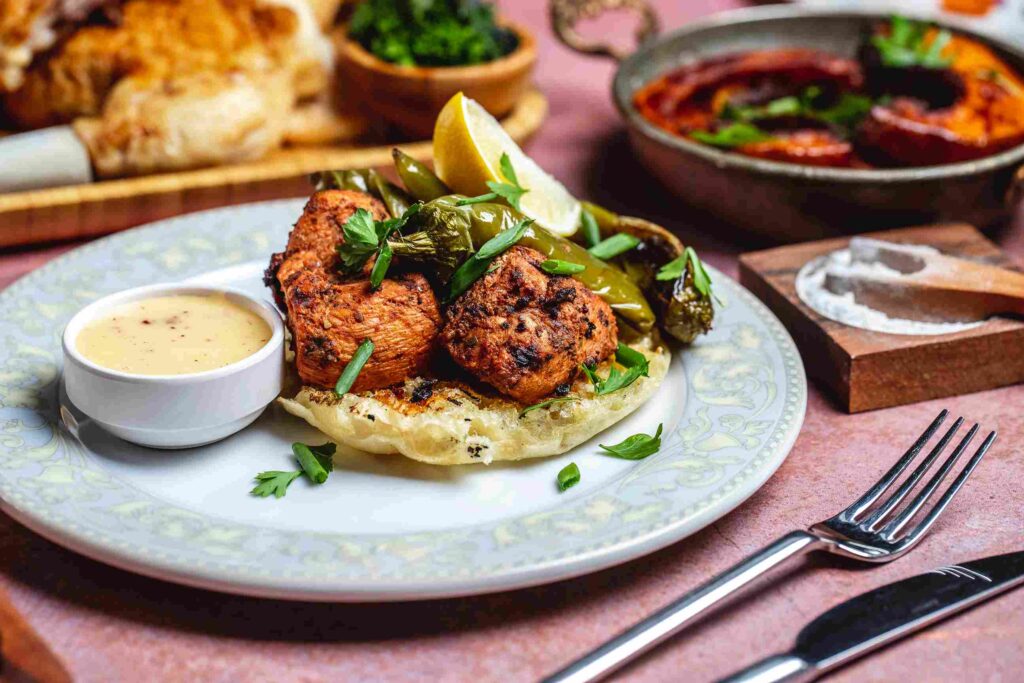
Menus may feature regional specialties, seasonal ingredients, and carefully prepared tasting menus. The atmosphere is more formal, making these restaurants suitable for celebrations and special occasions.
Mexican Street Food Restaurants
Street food is one of Mexico’s greatest culinary traditions, and many restaurants specialize in serving these popular dishes.
Menus often include tacos, tortas, tamales, gorditas, sopes, elote, quesadillas, and fresh aguas frescas. Meals are usually prepared quickly using fresh ingredients and traditional recipes.
Street food restaurants provide an authentic and affordable way to experience Mexican cuisine.
Tex-Mex Restaurants
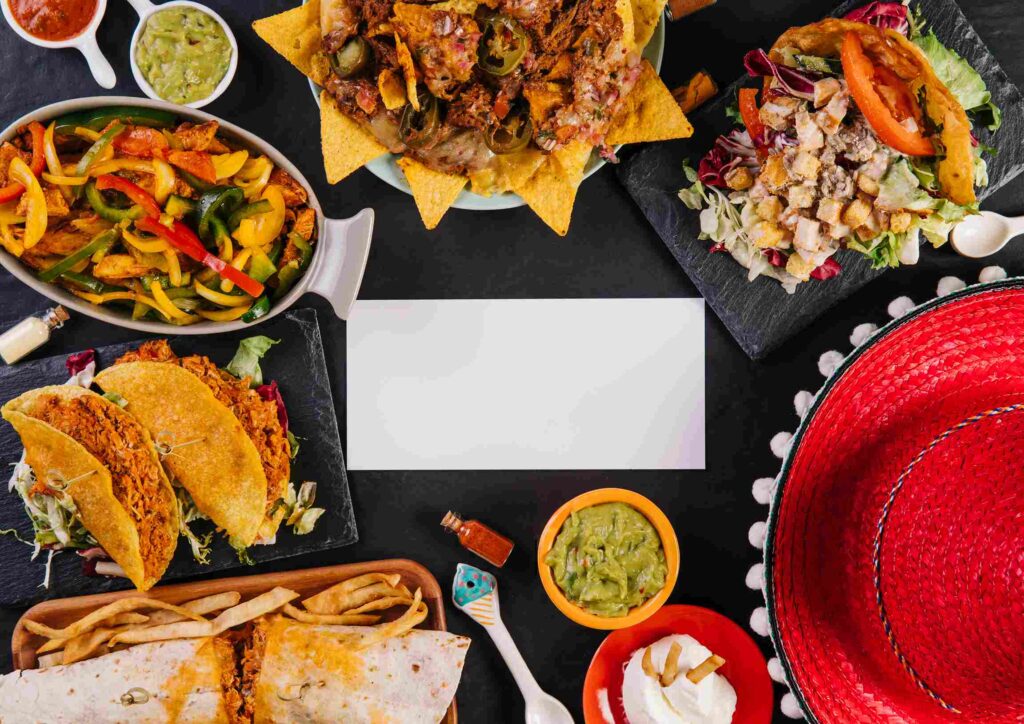
Tex-Mex restaurants serve dishes inspired by both Mexican and American cooking traditions. Their menus often include burritos, fajitas, nachos, chili con carne, and combination platters topped with melted cheese.
Although Tex-Mex has its own unique identity, it differs from traditional Mexican cuisine in both ingredients and cooking styles.
Fast-Casual Mexican Restaurants
Fast-casual restaurants combine the convenience of fast food with fresher ingredients and customizable meals.
Customers can build their own tacos, burritos, bowls, salads, and quesadillas by choosing proteins, vegetables, sauces, and toppings.
These restaurants are popular with busy diners who want fresh food served quickly.
Popular Dishes You’ll Find at Mexican Restaurants
One of the biggest attractions of Mexican restaurants is their diverse menu. From simple street food to slow-cooked regional specialties, there is something for every taste.
Tacos
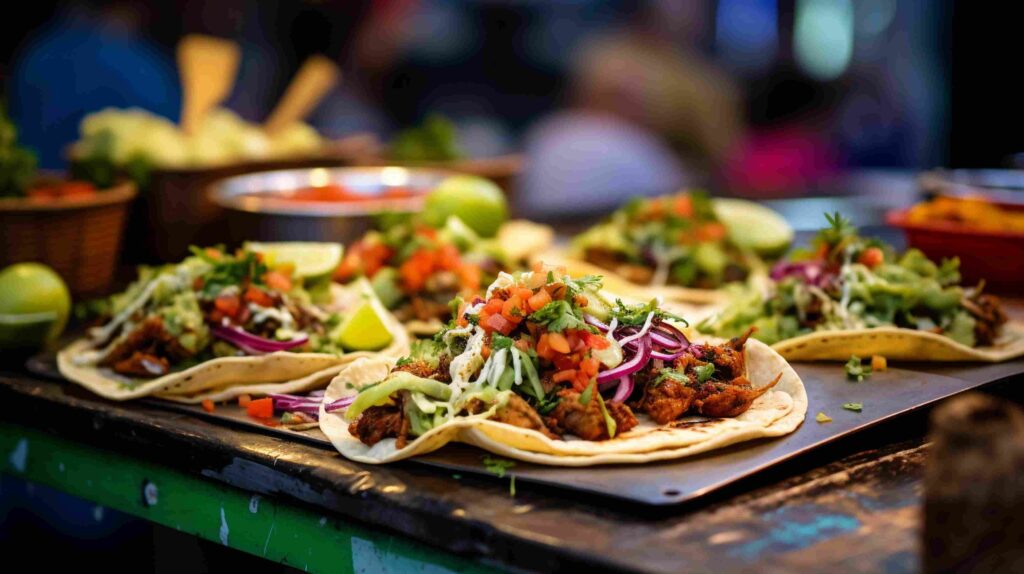
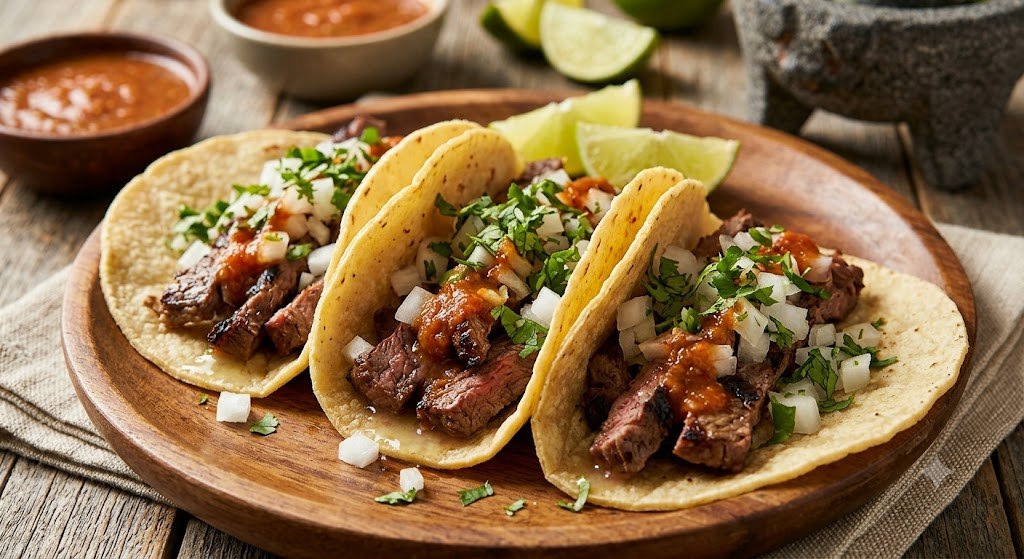
Tacos are one of the most famous Mexican dishes in the world. Soft or crispy tortillas are filled with grilled meats, seafood, vegetables, beans, or cheese before being topped with fresh onions, cilantro, salsa, and lime.
Every region of Mexico has its own unique taco styles and fillings.
Burritos
Burritos consist of large flour tortillas wrapped around fillings such as rice, beans, meat, cheese, vegetables, salsa, and guacamole.
While burritos are especially popular in northern Mexico and the United States, many restaurants offer their own creative variations.
Enchiladas
Enchiladas are corn tortillas filled with meat, chicken, cheese, or beans before being covered with flavorful sauces and baked.
Red, green, and mole sauces each provide a different taste, making enchiladas one of the most versatile dishes on the menu.
Tamales
Tamales are made by spreading masa around meat, vegetables, cheese, or sweet fillings before wrapping them in corn husks and steaming them until tender.
They are especially popular during holidays, festivals, and family celebrations.
Quesadillas
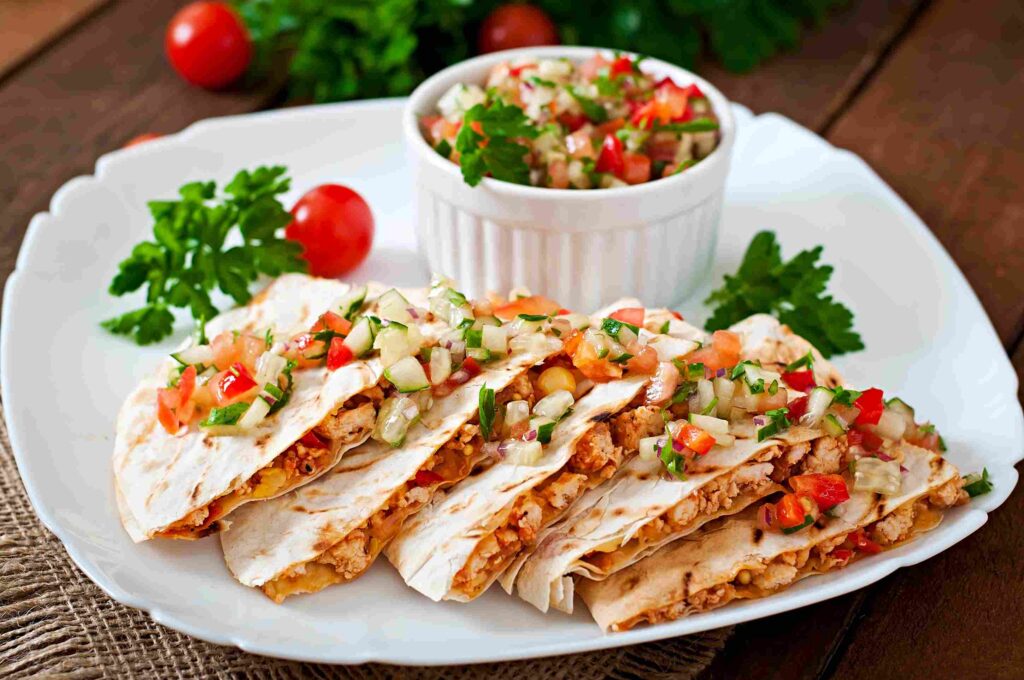
Quesadillas are prepared by filling tortillas with melted cheese and optional ingredients such as mushrooms, chicken, vegetables, or beef.
They are cooked until the tortilla becomes golden and slightly crispy, creating a simple yet satisfying meal.
Pozole
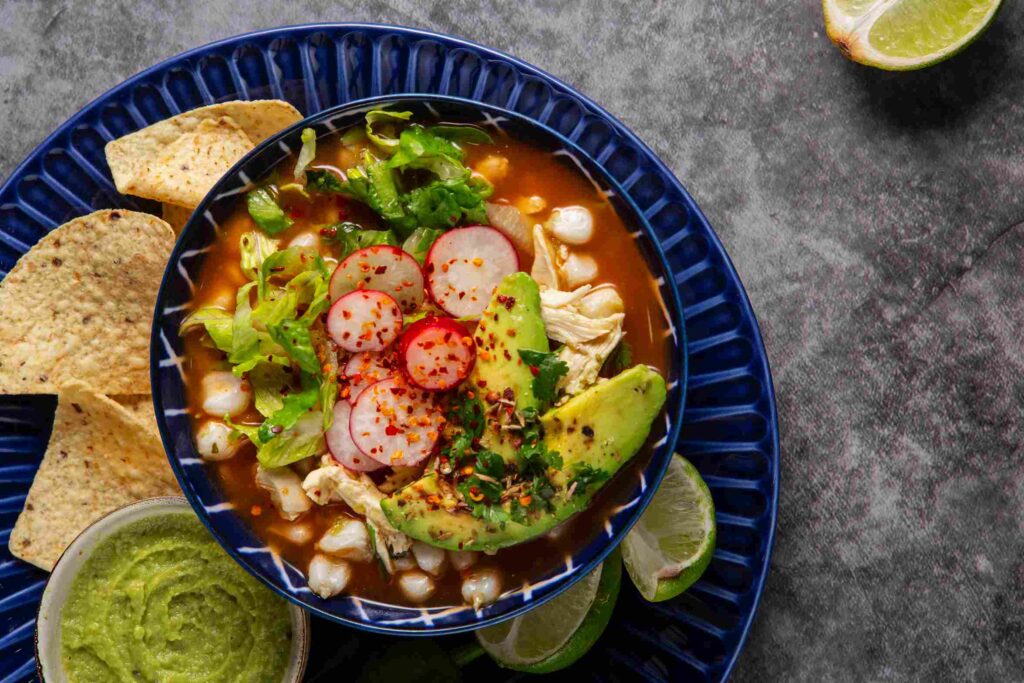
Pozole is a traditional Mexican soup made with hominy, meat, herbs, and flavorful broth.
It is commonly served with fresh toppings such as cabbage, radishes, onions, oregano, and lime, allowing each diner to customize the flavor.
Mole
Mole is one of Mexico’s most celebrated sauces. It combines dried chilies, spices, nuts, seeds, tomatoes, and a small amount of chocolate to create a rich, complex flavor.
Mole is often served with chicken, turkey, or rice and is especially popular during special occasions.
Chiles Rellenos
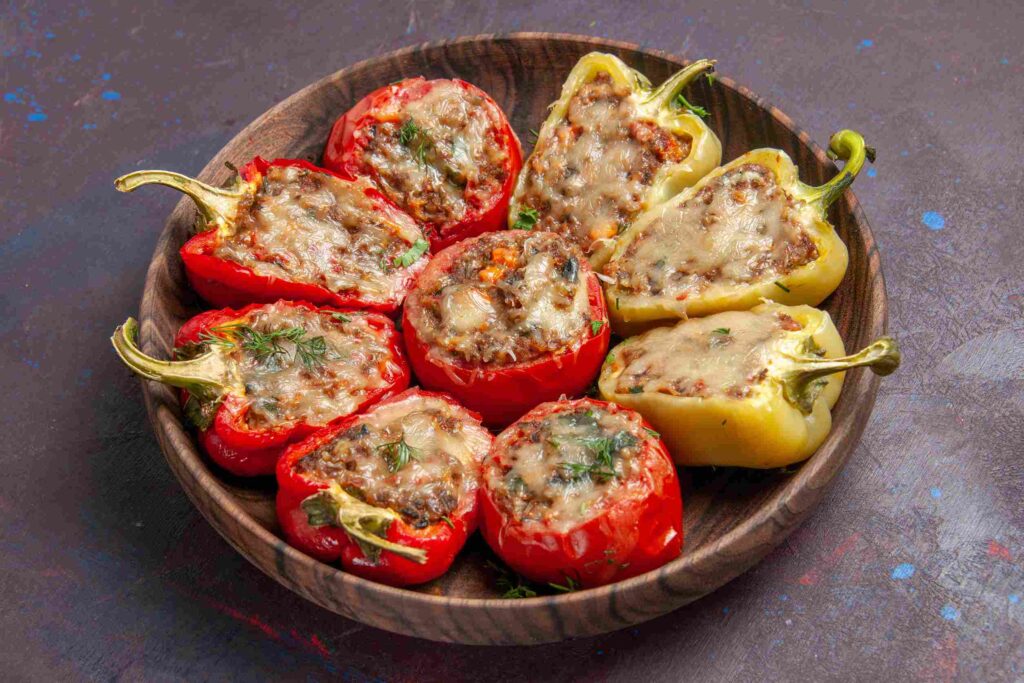
Chiles Rellenos feature roasted poblano peppers stuffed with cheese or meat before being lightly battered and cooked.
They are often served with tomato sauce, rice, and beans, creating a comforting and flavorful meal.
Fajitas
Fajitas consist of grilled strips of meat or vegetables served on a hot skillet with sautéed onions and bell peppers.
Guests assemble their own tortillas using fresh toppings such as salsa, guacamole, cheese, and sour cream.
Guacamole and Salsa
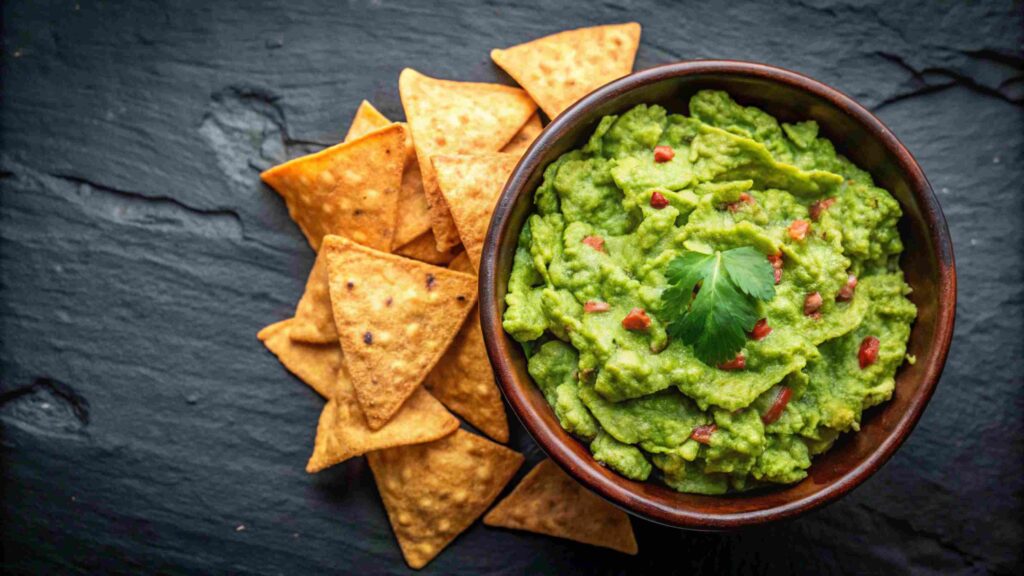
No Mexican restaurant meal feels complete without fresh guacamole and salsa.
Guacamole is made from ripe avocados, onions, tomatoes, cilantro, lime juice, and seasonings.
Salsa comes in many varieties, including fresh tomato salsa, roasted salsa, salsa verde made with tomatillos, and spicy chili-based sauces. These condiments add freshness and flavor to almost every dish.
Why Variety Makes Mexican Restaurants Special
One of the reasons Mexican restaurants are loved around the world is their incredible variety. Whether you prefer grilled meats, fresh seafood, vegetarian meals, spicy dishes, or mild flavors, there is always something to enjoy.
Menus often include options for every age and dietary preference, making Mexican restaurants a popular choice for family dinners, casual lunches, business meetings, and celebrations.
The combination of fresh ingredients, traditional cooking methods, and regional recipes ensures that every visit offers a unique and memorable dining experience.
Authentic Mexican Restaurants vs. Tex-Mex Restaurants
Many people use the terms Mexican food and Tex-Mex food interchangeably, but they are not the same. While both cuisines are delicious, they have different histories, ingredients, and cooking styles. Understanding these differences can help you choose the dining experience that best matches your taste.
What Is an Authentic Mexican Restaurant?
An authentic Mexican restaurant focuses on traditional recipes that have been passed down through generations. These restaurants often prepare food using fresh ingredients, handmade tortillas, homemade salsas, and classic cooking techniques.
Menus usually feature regional specialties from different parts of Mexico, giving guests the opportunity to experience the country’s rich culinary diversity.
Authentic Mexican restaurants often serve dishes such as:
- Tacos made with fresh corn tortillas
- Tamales
- Pozole
- Mole
- Chiles Rellenos
- Tlayudas
- Cochinita Pibil
- Birria
- Fresh ceviche
- Homemade guacamole
The goal is to preserve the original flavors of Mexican cuisine while celebrating regional traditions.
What Is a Tex-Mex Restaurant?
Tex-Mex cuisine developed in the border regions of Texas and northern Mexico. It blends Mexican cooking traditions with American ingredients and tastes.
Tex-Mex restaurants often serve larger portions, generous amounts of melted cheese, flour tortillas, sour cream, and ground beef. These restaurants have become extremely popular because of their comforting and familiar flavors.
Popular Tex-Mex dishes include:
- Loaded nachos
- Chili con carne
- Cheese enchiladas
- Beef burritos
- Fajitas
- Taco salads
- Combination platters
Although inspired by Mexican cuisine, Tex-Mex has developed its own unique identity.
Key Differences
Authentic Mexican cuisine emphasizes regional recipes, fresh herbs, homemade sauces, and traditional ingredients such as corn tortillas, fresh cheese, and locally grown chili peppers.
Tex-Mex cuisine often includes more cheddar cheese, flour tortillas, yellow cheese sauces, ground beef, and larger portions.
Neither style is better than the other. The choice simply depends on whether you want to experience traditional Mexican flavors or enjoy the comforting fusion style of Tex-Mex cooking.
What Makes a Great Mexican Restaurant?
Not every Mexican restaurant offers the same level of quality. The best restaurants share several important characteristics that create an enjoyable and authentic dining experience.
Fresh Ingredients
Fresh ingredients make a noticeable difference in every dish. Ripe tomatoes, crisp onions, fragrant cilantro, quality meats, fresh avocados, and flavorful chili peppers create meals that are vibrant and satisfying.
Restaurants that prepare salsa, guacamole, and sauces fresh each day often provide a better dining experience than those using pre-made products.
Handmade Tortillas
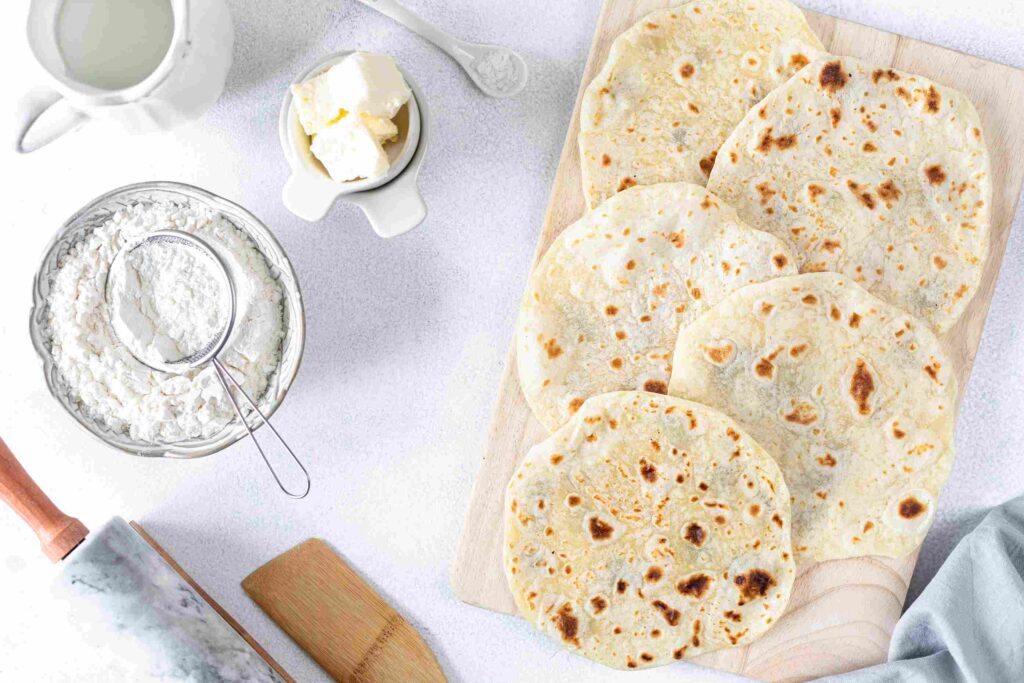
Fresh tortillas are one of the clearest signs of an authentic Mexican restaurant.
Whether made from corn or flour, handmade tortillas have a softer texture, richer aroma, and better flavor than factory-produced versions.
Many traditional restaurants prepare tortillas throughout the day to ensure maximum freshness.
Authentic Recipes
The best Mexican restaurants respect traditional recipes while maintaining consistent quality.
Many chefs continue using family recipes that have been passed down through generations, helping preserve authentic flavors and cooking methods.
Skilled Chefs
Experienced chefs understand how to balance herbs, spices, chili peppers, and fresh ingredients without overwhelming the natural flavors of a dish.
Attention to detail, proper cooking techniques, and consistency are essential qualities of an excellent Mexican kitchen.
Friendly Hospitality
Warm hospitality is an important part of Mexican culture.
Guests should feel welcomed from the moment they arrive. Friendly staff, attentive service, and a relaxed atmosphere help create a memorable dining experience.
Traditional Atmosphere
Many Mexican restaurants celebrate their culture through colorful décor, handcrafted artwork, traditional music, and comfortable seating.
These details help create an environment that reflects the warmth and spirit of Mexico.
Traditional Mexican Dining Experience
Dining at a Mexican restaurant is often about much more than the food. It is an opportunity to slow down, enjoy good company, and experience a culture that values family, hospitality, and togetherness.
Family-Style Meals
Many traditional meals are designed to be shared. Large platters of tacos, grilled meats, rice, beans, tortillas, and fresh salsa are placed at the center of the table so everyone can serve themselves.
This style of dining encourages conversation and creates a welcoming atmosphere.
Sharing Food
Sharing dishes is common in Mexican culture. Friends and family often order several menu items so everyone can enjoy different flavors and recipes.
This tradition allows diners to experience a wider variety of authentic dishes during one meal.
A Relaxed Atmosphere
Unlike fast-food dining, meals at many traditional Mexican restaurants are meant to be enjoyed slowly.
Families often spend time talking long after the food has been served, making the restaurant experience as enjoyable as the meal itself.
Music and Décor
Many restaurants decorate their dining rooms with colorful artwork, handcrafted pottery, woven textiles, and traditional Mexican designs.
Soft background music often adds to the welcoming atmosphere without overpowering conversations.
Hospitality
One of the most memorable parts of dining at a Mexican restaurant is the genuine hospitality.
Guests are treated with warmth and respect, and restaurant staff often take pride in recommending dishes, explaining ingredients, and making visitors feel comfortable.
Regional Mexican Cuisine in Restaurants
Mexico is a large country with many different regional cooking traditions. Authentic restaurants often highlight specialties from specific regions, allowing diners to experience a greater variety of flavors.
Northern Mexico
Northern Mexican cuisine is famous for grilled beef, flour tortillas, roasted meats, and hearty bean dishes.
Restaurants inspired by this region often specialize in barbecue, carne asada, and simple recipes that showcase high-quality ingredients.
Central Mexico
Central Mexico is known for its rich variety of traditional dishes, including tacos, enchiladas, tamales, pozole, and flavorful sauces.
Many authentic restaurants feature these classics because they represent the heart of Mexican cuisine.
Oaxaca
Often called the culinary capital of Mexico, Oaxaca is famous for its seven traditional mole sauces, tlayudas, artisan cheese, and rich culinary traditions.
Restaurants serving Oaxacan cuisine often focus on complex sauces, handmade tortillas, and locally inspired recipes.
Yucatán Peninsula
The Yucatán region offers distinctive flavors influenced by ancient Mayan traditions.
Citrus-marinated meats, slow-cooked dishes, tropical ingredients, and fragrant spices create meals that are both unique and memorable.
Baja California
Baja California is celebrated for its fresh seafood, fish tacos, shrimp dishes, ceviche, and coastal cuisine.
Restaurants inspired by this region often highlight simple recipes that let fresh seafood shine.
Coastal Mexico
Restaurants featuring coastal Mexican cuisine serve a wide variety of seafood prepared with fresh herbs, lime, tomatoes, and chili peppers.
Grilled fish, seafood soups, shrimp tacos, and ceviche are among the most popular menu choices.
Exploring restaurants that specialize in different regional cuisines is one of the best ways to discover the incredible diversity of authentic Mexican food.
Mexican Restaurant Etiquette
Dining at a Mexican restaurant is about more than enjoying delicious food. It is also about respecting traditions, appreciating hospitality, and sharing quality time with family and friends. Whether you are visiting a casual taco shop or an elegant restaurant, understanding a few basic customs can make your experience even more enjoyable.
Take Time to Explore the Menu
Authentic Mexican restaurants often offer many regional dishes that may be unfamiliar to first-time visitors. Instead of ordering the first item you recognize, take a few minutes to explore the menu and discover something new.
If you are unsure about an ingredient or cooking style, don’t hesitate to ask your server. Most restaurants are happy to explain their dishes and recommend local favorites.
Share Your Meal
Sharing food is a common tradition in Mexican culture. Families and groups often order several dishes so everyone can enjoy different flavors and recipes.
Sharing appetizers such as guacamole, salsa, and queso, along with a variety of tacos or other main dishes, allows everyone at the table to experience more of the menu.
Respect the Chef’s Recipes
Authentic Mexican recipes are carefully prepared using traditional ingredients and cooking methods. Before requesting major changes to a dish, consider trying it as it is served. This gives you the opportunity to experience the flavors the chef intended.
Appreciate the Hospitality
Mexican hospitality is known around the world. Friendly service, warm greetings, and attention to detail are important parts of the dining experience.
A simple thank you and appreciation for the meal are always welcomed and reflect the respect that is central to Mexican culture.
Popular Mexican Drinks Served in Restaurants
A great meal becomes even better when paired with a traditional Mexican drink. Many restaurants offer refreshing beverages that complement the bold flavors of Mexican cuisine.
Horchata
Horchata is one of the most popular traditional drinks. It is made from rice, cinnamon, water, and sugar, creating a creamy and refreshing beverage that pairs well with spicy dishes.
Agua Fresca
Agua Fresca is a light fruit drink prepared with fresh fruit, water, and a touch of sugar.
Popular flavors include:
- Watermelon
- Mango
- Pineapple
- Tamarind
- Hibiscus
- Cantaloupe
These refreshing drinks are especially popular during warm weather.
Mexican Hot Chocolate
Unlike regular hot chocolate, Mexican hot chocolate often includes cinnamon and vanilla, creating a rich and comforting drink.
It is commonly enjoyed during breakfast or holiday celebrations.
Atole
Atole is a traditional warm drink made from masa, milk or water, cinnamon, and vanilla.
It has been enjoyed in Mexico for centuries and is often served with tamales during breakfast or festivals.
Champurrado
Champurrado is a chocolate version of atole. Made with Mexican chocolate and cinnamon, it is rich, creamy, and especially popular during the winter months.
Mexican Desserts You Should Try
No visit to a Mexican restaurant is complete without trying a traditional dessert. Mexican sweets are known for their comforting flavors and simple ingredients.
Churros
Churros are crispy fried pastries coated with cinnamon sugar. They are often served with chocolate sauce or caramel for dipping.
Flan
Flan is a smooth baked custard topped with golden caramel sauce.
Its creamy texture and delicate sweetness make it one of the most popular desserts in Mexican restaurants.
Tres Leches Cake
Tres Leches Cake is a light sponge cake soaked in three types of milk.
The result is a moist, rich dessert that is often served during birthdays and celebrations.
Arroz con Leche
Arroz con Leche is a comforting rice pudding prepared with milk, cinnamon, and vanilla.
It can be served warm or chilled and is enjoyed throughout Mexico.
Pan Dulce
Pan Dulce, or Mexican sweet bread, comes in many shapes and flavors.
It is often served with coffee or hot chocolate for breakfast or an afternoon snack.
How to Choose the Best Mexican Restaurant
With so many options available, choosing the right restaurant can sometimes be difficult. Looking for a few important signs can help you find an authentic and enjoyable dining experience.
Read Customer Reviews
Online reviews often provide useful information about food quality, service, cleanliness, and atmosphere.
Look for restaurants with consistently positive feedback from customers.
Check the Menu
A diverse menu featuring traditional dishes is often a sign of an authentic Mexican restaurant.
Restaurants that prepare regional specialties usually offer a more complete dining experience.
Look for Fresh Ingredients
Fresh salsa, handmade tortillas, quality meats, ripe avocados, and homemade sauces often indicate that a restaurant values authenticity.
Observe the Atmosphere
Clean dining areas, friendly staff, and welcoming décor contribute to an enjoyable meal.
A comfortable environment often reflects the restaurant’s commitment to customer satisfaction.
Ask for Recommendations
Friends, family members, and local residents can often recommend hidden gems that may not be widely known.
Personal recommendations are one of the best ways to discover outstanding Mexican restaurants.
Tips for First-Time Visitors
If you’re visiting a Mexican restaurant for the first time, these simple tips can help you enjoy the experience.
- Start with classic dishes like tacos, enchiladas, or quesadillas.
- Order fresh guacamole and homemade salsa as appetizers.
- Try a traditional drink such as Horchata or Agua Fresca.
- Ask your server about regional specialties.
- Don’t be afraid to explore new flavors and ingredients.
- Share several dishes with friends or family for a wider tasting experience.
- Save room for a traditional Mexican dessert.
Trying something new is one of the best ways to appreciate the diversity of Mexican cuisine.
Frequently Asked Questions
What makes a Mexican restaurant authentic?
Authentic Mexican restaurants prepare traditional recipes using fresh ingredients, homemade sauces, regional cooking techniques, and classic seasonings that reflect Mexico’s culinary heritage.
What is the difference between Mexican and Tex-Mex food?
Authentic Mexican cuisine focuses on regional traditions and fresh ingredients, while Tex-Mex combines Mexican and American influences with dishes that often feature flour tortillas, cheddar cheese, and larger portions.
What should I order at a Mexican restaurant?
First-time visitors often enjoy tacos, enchiladas, tamales, quesadillas, pozole, guacamole, and fresh salsa. These dishes provide a great introduction to authentic Mexican flavors.
Are Mexican restaurants family-friendly?
Yes. Most Mexican restaurants welcome guests of all ages and offer a relaxed atmosphere that is ideal for families, groups, and celebrations.
What are the most popular Mexican dishes?
Some of the best-known dishes include tacos, tamales, enchiladas, burritos, mole, pozole, chiles rellenos, quesadillas, guacamole, and fresh salsa.
Conclusion
Mexican restaurants offer much more than delicious food. They provide an opportunity to experience a rich culinary tradition built on fresh ingredients, family recipes, regional diversity, and warm hospitality. From neighborhood eateries and street food vendors to elegant fine dining restaurants, every style of Mexican restaurant has something unique to offer.
Whether you enjoy handmade tacos, flavorful mole, fresh seafood, comforting tamales, or homemade desserts, exploring Mexican cuisine is a journey filled with unforgettable flavors and cultural traditions. Every meal tells a story of history, creativity, and community that has been passed down through generations.
The next time you visit a Mexican restaurant, take the opportunity to try a regional specialty, enjoy a traditional drink, and experience the welcoming atmosphere that makes Mexican dining so special. With so many authentic dishes to discover, every visit is a chance to learn something new and enjoy one of the world’s most celebrated cuisines.