Mexican food is one of the most colorful and flavorful cuisines in the world. It is known for its fresh ingredients, bold spices, and recipes that have been passed down through generations. From crispy tacos and cheesy quesadillas to rich mole and comforting tamales, every dish tells a story of tradition and culture.
What makes Mexican cuisine special is its balance of flavors. Sweet, spicy, smoky, tangy, and savory tastes often come together in a single meal. Fresh vegetables, herbs, beans, corn, and chili peppers are used in countless ways, creating dishes that are both delicious and satisfying.
Today, Mexican food is enjoyed in almost every corner of the world. Restaurants, food trucks, and home kitchens serve classic recipes alongside modern creations inspired by traditional cooking. Whether you are trying authentic Mexican cuisine for the first time or looking to learn more about your favorite dishes, there is always something new to discover.
In this ultimate guide, you’ll explore the history of Mexican food, its essential ingredients, popular dishes, regional specialties, traditional cooking methods, and much more. By the end, you’ll have a deeper understanding of why Mexican cuisine is loved by millions of people worldwide.
What Is Mexican Food?
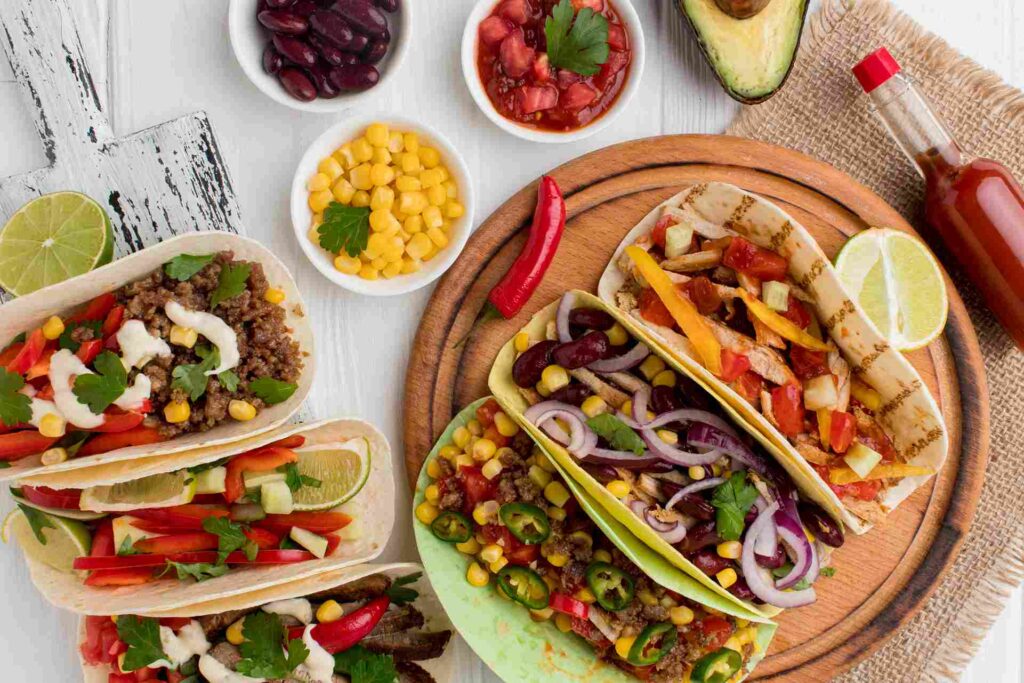
Mexican food is a cuisine that reflects the country’s rich history, diverse landscapes, and cultural traditions. It combines fresh ingredients with simple cooking techniques to create meals that are full of flavor and character. While many people think only of tacos or burritos, authentic Mexican cuisine includes hundreds of unique dishes that vary from one region to another.
The foundation of Mexican cooking comes from ingredients that have been grown in the region for thousands of years. Corn, beans, squash, tomatoes, avocados, cacao, and chili peppers have been part of everyday life since ancient times. These ingredients remain essential in modern Mexican kitchens and continue to shape the country’s most popular dishes.
Mexican food is also known for its variety. Some recipes are quick and simple, while others take hours to prepare for family celebrations and festivals. Every meal reflects local traditions, seasonal ingredients, and generations of cooking knowledge.
One of the reasons people love Mexican cuisine is its flexibility. There are dishes for every occasion, from light breakfasts and quick street food to hearty dinners and festive holiday meals. Many recipes can also be adapted to suit different tastes while still keeping their authentic flavors.
Fresh herbs such as cilantro, aromatic spices like cumin and oregano, and flavorful sauces made from roasted vegetables or chilies add depth to every dish. Instead of relying on a single ingredient, Mexican cooking focuses on combining flavors that complement each other perfectly.
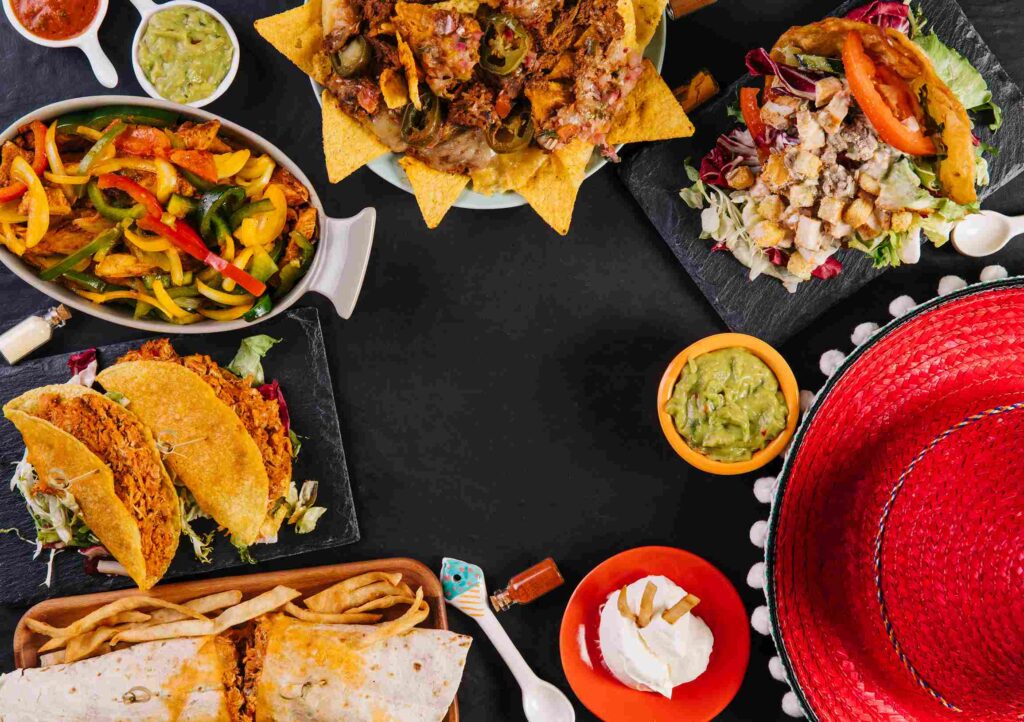
Another important part of Mexican food is sharing meals with family and friends. Food is often at the center of celebrations, holidays, and gatherings. Preparing traditional recipes together helps preserve customs that have been passed down for generations.
Because of its cultural importance, traditional Mexican cuisine has earned worldwide recognition and continues to inspire chefs and home cooks alike. It is much more than a collection of recipes—it is a celebration of history, family, and community.
The History of Mexican Food
The story of Mexican food stretches back thousands of years. It is one of the oldest culinary traditions in the world, shaped by ancient civilizations, cultural exchange, and regional diversity. Understanding its history helps explain why Mexican cuisine is so unique today.
Ancient Indigenous Roots
Long before European explorers arrived, ancient civilizations such as the Maya, Aztec, Zapotec, and Olmec had already developed sophisticated farming methods and rich food traditions. They cultivated crops that are now enjoyed around the world, including corn, beans, squash, tomatoes, avocados, vanilla, cacao, and many varieties of chili peppers.
Corn was especially important. It became the heart of everyday cooking and was used to make tortillas, tamales, atole, and many other traditional foods. Beans provided protein, while squash, herbs, and fresh vegetables completed balanced meals.
Ancient cooks also used stone tools to grind corn into masa, the dough that remains the base of many Mexican dishes today. Their cooking methods included roasting, steaming, boiling, and grilling over open fires, many of which are still used in traditional kitchens.
Food was deeply connected to daily life, religious ceremonies, and seasonal celebrations. Every harvest and special occasion featured recipes prepared with care and shared among families and communities.
Spanish Influence
The arrival of the Spanish in the 16th century introduced new ingredients and cooking styles that blended with indigenous traditions. Foods such as rice, wheat, onions, garlic, citrus fruits, dairy products, pork, beef, chicken, and various herbs became part of Mexican cuisine.
Rather than replacing local recipes, these ingredients were combined with native foods to create entirely new dishes. Cheese was added to tortillas, meats were cooked with traditional chili sauces, and European baking methods inspired new breads and desserts.
One of the best examples of this cultural blend is mole, a rich sauce that combines native chili peppers with ingredients introduced from Europe and other parts of the world. This fusion of flavors became a defining feature of Mexican cooking.
Modern Mexican Cuisine
Today, Mexican food continues to evolve while staying true to its roots. Every region of the country has its own specialties based on local ingredients, climate, and traditions. Coastal areas are famous for fresh seafood, northern Mexico is known for grilled meats and flour tortillas, while southern regions are celebrated for complex sauces, tropical fruits, and ancient recipes.
Modern chefs continue to honor traditional cooking while introducing creative ideas that appeal to new generations. At the same time, home cooks preserve family recipes that have been handed down for decades, keeping Mexico’s culinary heritage alive.
The popularity of Mexican food has spread far beyond its borders. Authentic restaurants can now be found across the globe, and classic dishes have become favorites in countless households. Despite its worldwide success, the heart of Mexican cuisine remains the same: fresh ingredients, bold flavors, and a strong connection to family, culture, and tradition.Why Mexican Food Is So Popular Around the World
Mexican food has earned a special place in kitchens and restaurants across the globe. Its bold flavors, colorful presentation, and wide variety of dishes make it appealing to people of all ages. Whether someone enjoys spicy meals or prefers mild flavors, Mexican cuisine offers something for everyone.
One of the biggest reasons for its popularity is the use of fresh ingredients. Corn, beans, tomatoes, onions, avocados, cilantro, lime, and chili peppers create meals that are both flavorful and satisfying. These ingredients are easy to combine in different ways, allowing cooks to prepare simple everyday dishes as well as elaborate meals for special occasions.
Another reason Mexican food is loved worldwide is its incredible variety. Every region of Mexico has its own traditional recipes, cooking techniques, and local ingredients. This means there is always something new to discover, from seafood dishes along the coast to slow-cooked meats in the north and rich sauces in the south.
Mexican cuisine is also known for being family-friendly. Many meals are designed to be shared, bringing people together around the table. Tacos, fajitas, enchiladas, and tamales are often served as part of gatherings where everyone can enjoy food together.
Street food has also played a major role in spreading Mexican cuisine around the world. Freshly made tacos, grilled corn, tortas, and quesadillas are affordable, delicious, and easy to enjoy on the go. Their popularity has inspired food trucks and casual restaurants in many countries.
Another factor behind its global success is its flexibility. Traditional recipes can easily be adapted for different dietary needs. Vegetarian, vegan, and gluten-free options are widely available without losing the authentic flavors that make Mexican food unique.
Today, Mexican cuisine continues to inspire professional chefs and home cooks alike. Its combination of tradition, creativity, and unforgettable flavors has made it one of the most recognized and celebrated cuisines in the world.
Essential Ingredients in Mexican Food
Authentic Mexican cooking starts with fresh, high-quality ingredients. While recipes vary from one region to another, several ingredients appear in countless traditional dishes. These pantry staples give Mexican food its distinctive taste, texture, and aroma.
Corn
Corn is the foundation of Mexican cuisine. It has been grown in Mexico for thousands of years and remains one of the country’s most important crops. It is used to make tortillas, tamales, tostadas, tortilla chips, and many other traditional foods.
Fresh corn is also enjoyed in dishes like elote and esquites, while dried corn is used in soups such as pozole. Its versatility makes it an essential ingredient in almost every Mexican kitchen.
Beans
Beans are another staple of Mexican cooking. Black beans, pinto beans, and other local varieties provide a rich source of protein and fiber. They are commonly served as a side dish, mashed into refried beans, or added to soups, burritos, tacos, and salads.
Their creamy texture and mild flavor make them a perfect companion to many traditional recipes.
Chili Peppers
Chili peppers are one of the defining ingredients of Mexican cuisine. They add heat, color, and depth of flavor to sauces, soups, marinades, and stews.
Mexico is home to many varieties of chilies, each with its own unique taste. Some are mild and slightly sweet, while others are smoky, fruity, or intensely spicy. Fresh and dried chilies are both widely used to create authentic flavors.
Tomatoes
Tomatoes are found in many classic Mexican dishes. They are used to prepare fresh salsa, sauces, soups, rice dishes, and stews. Roasted tomatoes add a smoky flavor, while fresh tomatoes provide brightness and natural sweetness.
Combined with onions, garlic, and chili peppers, tomatoes create the flavorful base of many traditional recipes.
Avocados
Avocados are loved for their creamy texture and rich taste. They are the key ingredient in guacamole and are often sliced into tacos, salads, tortas, and other dishes.
Besides adding flavor, avocados also provide healthy fats that make meals more filling and nutritious.
Cheese
Mexican cuisine includes several delicious cheeses that add creaminess and richness to recipes. Cheese is commonly sprinkled over enchiladas, folded into quesadillas, or served with beans and vegetables.
Each region has its own favorite varieties, making cheese an important part of many traditional meals.
Fresh Herbs
Fresh herbs bring brightness and freshness to Mexican cooking. Cilantro is the most widely used herb and appears in tacos, soups, salsa, rice, and salads.
Other herbs, such as oregano and epazote, are often added to beans, sauces, and slow-cooked dishes to enhance their flavor.
Mexican Spices
Spices help create the warm and bold flavors that Mexican food is known for. Cumin, cinnamon, paprika, oregano, cloves, and black pepper are commonly used in marinades, sauces, rice, and meat dishes.
These spices are carefully balanced to create layers of flavor rather than overwhelming heat.
Traditional Mexican Cooking Methods
Traditional Mexican cuisine is not only about ingredients but also about the way food is prepared. Many cooking methods have been passed down through generations and continue to play an important role in Mexican kitchens today.
Grilling
Grilling is widely used to prepare meats, seafood, vegetables, and tortillas. Cooking over an open flame creates a smoky flavor that enhances many traditional dishes. Grilled meats are often served in tacos, burritos, or with rice and beans.
Slow Cooking
Many Mexican recipes are cooked slowly to develop deep, rich flavors. Stews, soups, mole sauces, and braised meats are often simmered for several hours, allowing the ingredients to blend perfectly.
This method creates tender meat and flavorful sauces that are perfect for family meals and celebrations.
Roasting
Roasting vegetables is a common technique in Mexican cooking. Tomatoes, onions, garlic, and chili peppers are often roasted before being blended into salsa or sauce. Roasting adds a slightly smoky flavor that makes these dishes even more delicious.
Steaming
Steaming is best known for making tamales. Corn dough filled with meat, vegetables, or cheese is wrapped in corn husks and steamed until soft and tender. This gentle cooking method keeps the filling moist while preserving its natural flavors.
Frying
Frying is another traditional technique used to prepare crispy tacos, tortilla chips, churros, flautas, and many other popular dishes. When done properly, frying creates a golden, crunchy texture without overpowering the fresh ingredients inside.
Traditional Mexican cooking combines these techniques with fresh ingredients to create meals that are rich in flavor, texture, and history. Many families continue to use these methods today, keeping centuries-old culinary traditions alive while sharing them with new generations.Most Popular Mexican Dishes
Mexican cuisine is filled with dishes that are loved for their bold flavors, fresh ingredients, and rich traditions. While every region has its own specialties, some recipes have become famous around the world. Here are some of the most popular Mexican dishes you should know.
Tacos
Tacos are one of the most iconic Mexican foods. A soft or crispy tortilla is filled with ingredients such as grilled beef, chicken, pork, seafood, or vegetables and topped with onions, cilantro, salsa, cheese, or fresh lime.
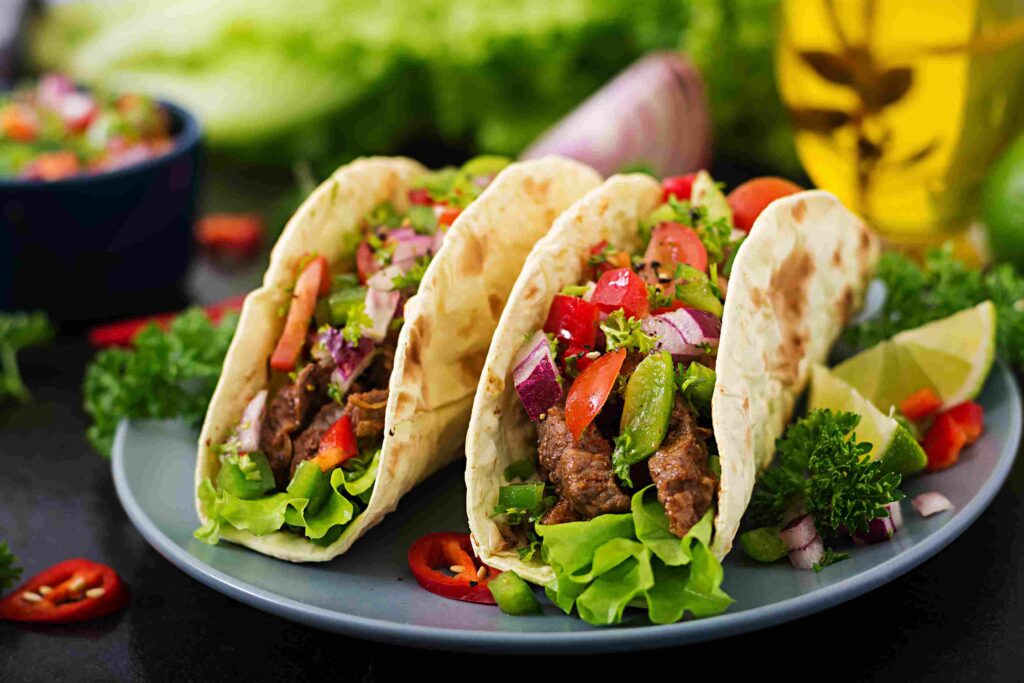
One of the best things about tacos is their variety. Every region in Mexico has its own version, making tacos a favorite meal for both locals and visitors.
Enchiladas
Enchiladas are corn tortillas rolled around a filling and covered with a flavorful sauce. They can be stuffed with chicken, beef, cheese, beans, or vegetables before being baked until warm and delicious.
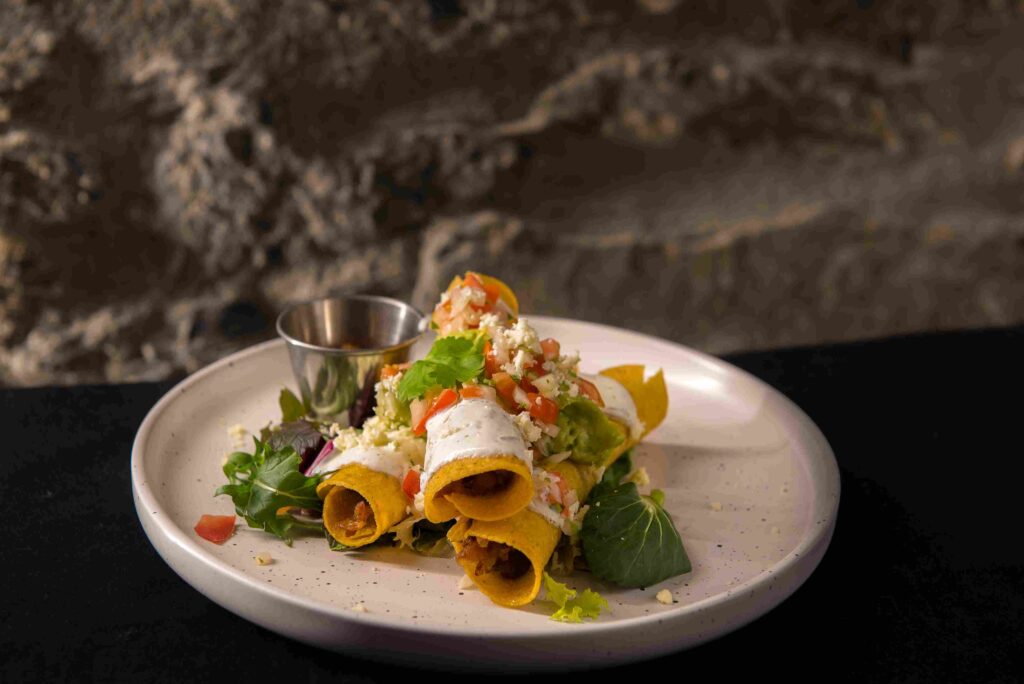
Depending on the region, enchiladas may be topped with fresh cream, cheese, onions, lettuce, or avocado.
Tamales
Tamales have been part of Mexican cuisine for centuries. They are made from masa (corn dough) filled with meat, cheese, beans, vegetables, or sweet fillings. The dough is wrapped in corn husks and steamed until soft.
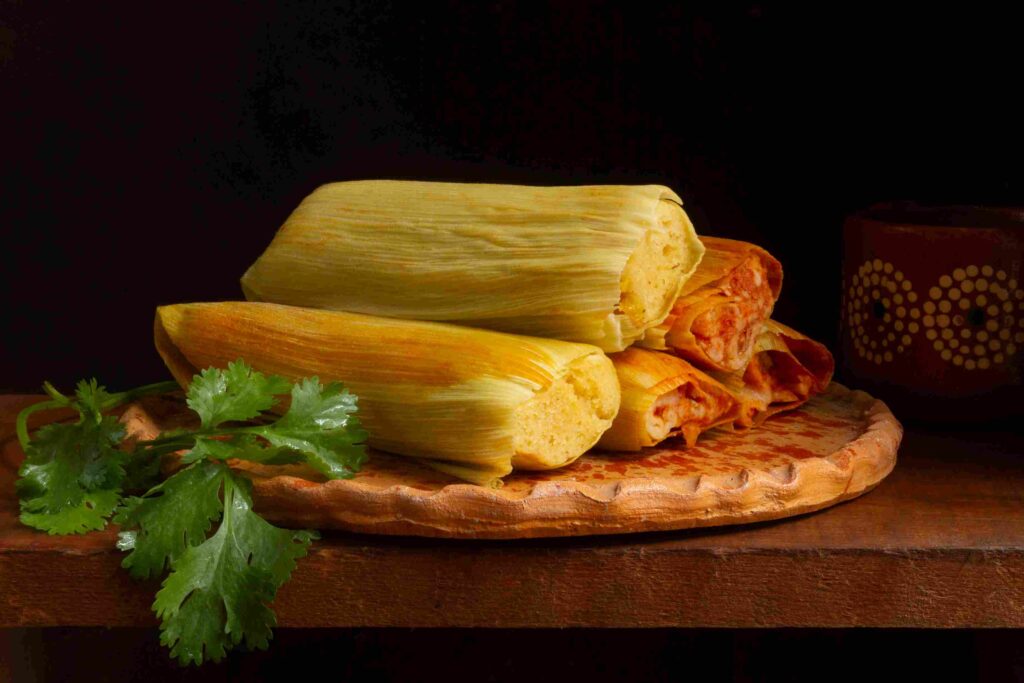
Tamales are commonly prepared during holidays, family celebrations, and festivals, making them one of Mexico’s most treasured traditional foods.
Pozole
Pozole is a comforting soup made with hominy, meat, and a rich broth flavored with herbs and spices. It is usually served with fresh toppings such as shredded cabbage, radishes, onions, oregano, and lime.
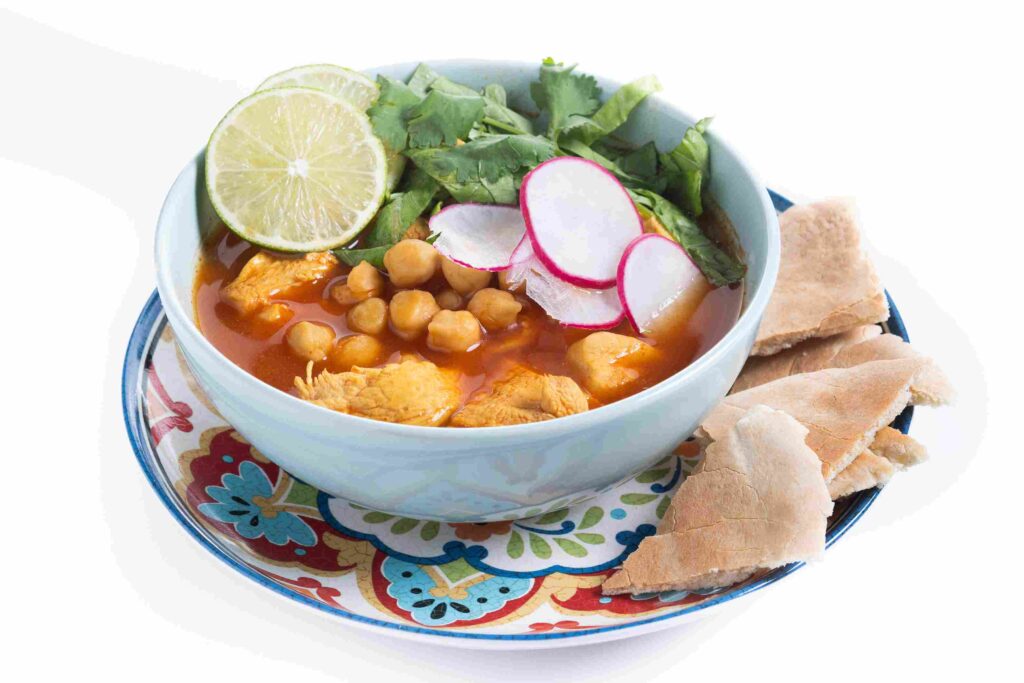
This hearty dish is especially popular during celebrations and special occasions.
Chiles Rellenos
Chiles Rellenos are large peppers stuffed with cheese or meat before being coated in batter and lightly fried. They are often served with tomato sauce and rice.
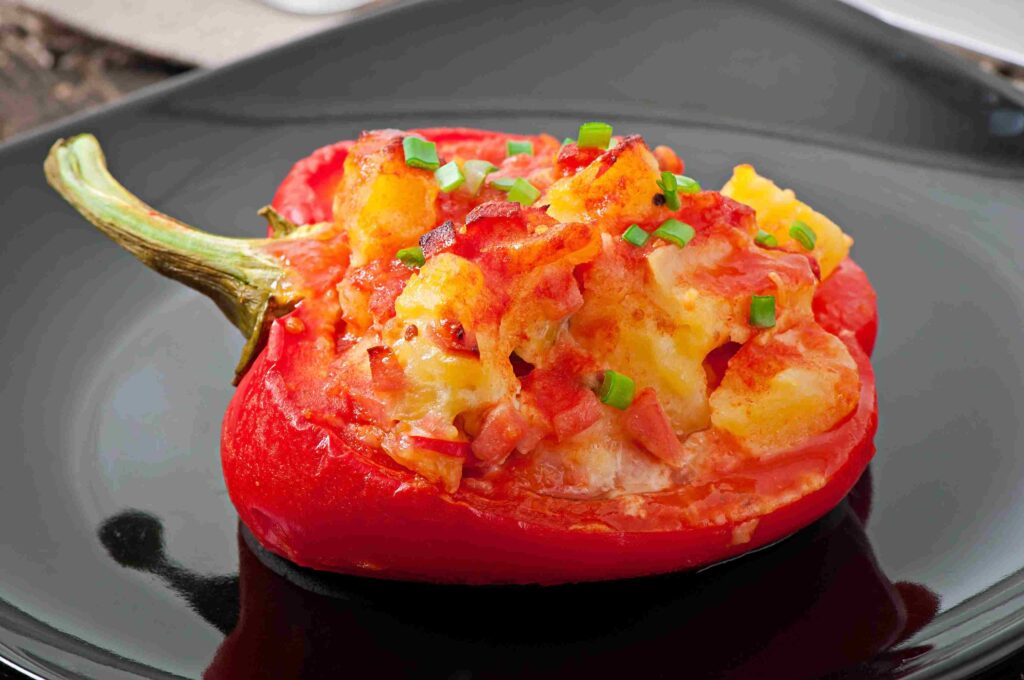
The combination of mild peppers and savory filling makes this dish both comforting and flavorful.
Mole
Mole is one of Mexico’s most famous sauces. It is made by blending chili peppers with spices, nuts, seeds, chocolate, tomatoes, and other ingredients to create a rich and complex flavor.
Mole is commonly served over chicken or turkey and is often prepared for weddings, holidays, and important family gatherings.
Quesadillas
Quesadillas are made by folding a tortilla around cheese and other fillings before cooking until crispy on the outside and melted inside.
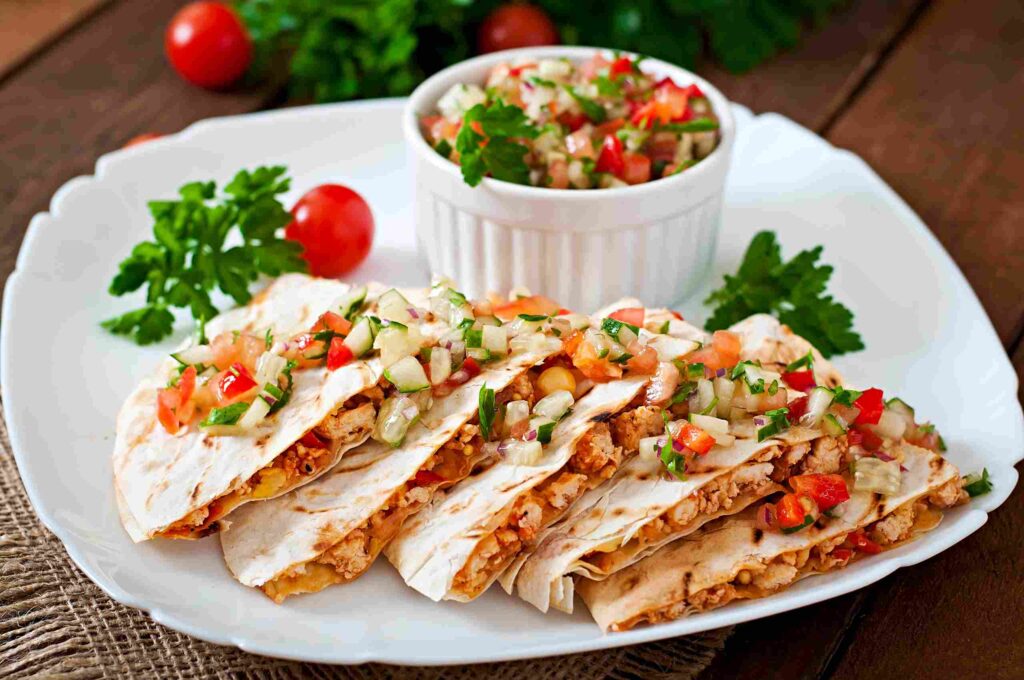
Popular fillings include mushrooms, chicken, beef, spinach, squash blossoms, and vegetables. They are quick to prepare and perfect for lunch, dinner, or a snack.
Burritos
Burritos consist of a large flour tortilla wrapped around fillings such as rice, beans, meat, cheese, vegetables, salsa, and guacamole.
Although burritos are especially popular in northern Mexico, they have become one of the most recognized Mexican-inspired dishes around the world.
Fajitas
Fajitas feature grilled strips of beef, chicken, or shrimp served with sautéed onions and bell peppers. They are usually accompanied by warm tortillas and toppings such as sour cream, salsa, cheese, and guacamole.
Their colorful presentation and fresh flavors make them a favorite choice for sharing.
Tostadas
Tostadas are crispy fried or baked tortillas topped with beans, meat, seafood, lettuce, tomatoes, cheese, avocado, and salsa.
The crunchy base and fresh toppings create a satisfying combination of textures and flavors.
Famous Mexican Street Food
Street food is an important part of everyday life in Mexico. Markets and roadside stalls serve freshly prepared dishes that are full of authentic flavor. These affordable meals allow people to enjoy traditional recipes wherever they go.
Elote
Elote is grilled corn on the cob coated with mayonnaise, cheese, chili powder, lime juice, and spices. It is one of the country’s most popular street snacks and is enjoyed throughout the year.
Esquites
Esquites use the same delicious flavors as elote but are served in a cup. Corn kernels are mixed with mayonnaise, cheese, chili powder, butter, and lime, making them easy to eat while walking.
Tacos al Pastor
Tacos al Pastor are filled with thin slices of marinated pork cooked on a vertical spit. The meat is served in soft corn tortillas with onions, cilantro, salsa, and often a slice of fresh pineapple for a sweet contrast.
This dish is considered one of the best examples of authentic Mexican street food.
Tortas
A torta is a Mexican sandwich served on a soft bread roll. It can be filled with grilled meat, beans, cheese, avocado, tomatoes, lettuce, onions, and flavorful sauces.
Each region has its own style, making tortas a versatile and satisfying meal.
Gorditas
Gorditas are thick corn cakes sliced open and stuffed with fillings such as beans, cheese, shredded beef, pork, potatoes, or vegetables.
They are cooked until lightly crispy outside while remaining soft inside.
Sopes
Sopes are small, thick corn cakes with raised edges that hold toppings such as refried beans, meat, lettuce, cheese, onions, cream, and salsa.
Their combination of crispy edges and fresh toppings makes them a favorite street food across Mexico.
Regional Mexican Cuisine
Mexico is a large country with many different climates, landscapes, and cultural traditions. As a result, each region has developed its own unique cooking style and signature dishes.
Northern Mexico
Northern Mexico is known for its cattle ranches and grilled meats. Beef plays a major role in local cuisine, and flour tortillas are more common here than in many other regions.
Popular dishes include grilled steaks, carne asada, burritos, and hearty bean dishes. The food is often simple, filling, and packed with smoky flavors.
Central Mexico
Central Mexico is considered the heart of traditional Mexican cuisine. Cities and towns in this region offer an incredible variety of dishes made with fresh vegetables, herbs, chilies, and corn.
Many famous foods, including tacos, enchiladas, tamales, and pozole, are commonly enjoyed throughout this area.
Southern Mexico
Southern Mexico is known for its rich sauces, tropical ingredients, and ancient culinary traditions. Corn remains an essential ingredient, while dishes often include unique herbs, local fruits, and a wide variety of chili peppers.
Mole sauces and handmade tamales are among the region’s most celebrated specialties.
Yucatán Peninsula
The Yucatán Peninsula has a distinct culinary identity influenced by both ancient Mayan traditions and regional ingredients.
Citrus fruits, spices, herbs, and slow-cooked meats are common in local recipes. The region is famous for its bright flavors and unique cooking techniques that differ from the rest of Mexico.
Baja California
Located between the Pacific Ocean and the Sea of Cortez, Baja California is famous for its fresh seafood.
Fish tacos, shrimp dishes, grilled seafood, and refreshing salsas are local favorites. The region also blends traditional Mexican cooking with modern culinary ideas, creating fresh and innovative dishes that attract food lovers from around the world.
The diversity of regional Mexican cuisine is one of the reasons the country’s food is so highly respected. Every region offers its own ingredients, traditions, and flavors, making Mexican cuisine an exciting journey for anyone who loves great food.Popular Mexican Breakfast Foods
Breakfast is an important meal in Mexico, and many families start their day with fresh, homemade dishes that are both filling and flavorful. While some breakfasts are quick and simple, others are prepared for relaxed weekends or family gatherings.
Chilaquiles
Chilaquiles are one of the most popular Mexican breakfast dishes. Crispy tortilla chips are lightly cooked in red or green salsa until they become slightly soft while still keeping some crunch. They are often topped with cheese, onions, fresh cream, avocado, and a fried egg or shredded chicken.
Huevos Rancheros
Huevos Rancheros is a classic breakfast made with fried eggs served on warm corn tortillas and topped with fresh tomato salsa. It is usually accompanied by beans, avocado, or roasted potatoes, making it a hearty and satisfying meal.
Breakfast Tacos
Breakfast tacos are simple, delicious, and easy to customize. Warm tortillas are filled with scrambled eggs, potatoes, cheese, beans, chorizo, or vegetables. They are perfect for busy mornings and are loved throughout Mexico.
Tamales
Tamales are not only enjoyed during celebrations but also make a popular breakfast. They are often served with hot chocolate or atole, creating a comforting morning meal.
Pan Dulce
Pan Dulce, which means “sweet bread,” is commonly enjoyed with coffee or hot chocolate. It comes in many shapes and flavors, making it a favorite choice for a light breakfast or afternoon snack.
Popular Mexican Lunch and Dinner Dishes
Lunch is often the largest meal of the day in many parts of Mexico, while dinner is usually lighter but equally flavorful. Family recipes and fresh ingredients play an important role in these daily meals.
Some of the most popular lunch and dinner dishes include:
- Tacos filled with grilled meat, seafood, or vegetables
- Enchiladas covered in rich homemade sauces
- Pozole served with fresh garnishes
- Mole with chicken or turkey
- Quesadillas filled with cheese and vegetables
- Fajitas served with grilled peppers and onions
- Rice and beans alongside roasted meats
- Fresh salads made with avocado, tomatoes, and local vegetables
Many families enjoy these meals together, making mealtime an important part of everyday life.
Mexican Desserts You Should Try
Mexican desserts are known for their comforting flavors and simple ingredients. Many traditional sweets have been enjoyed for generations and remain popular today.
Churros
Churros are long pieces of fried dough coated in cinnamon sugar. They are often served with chocolate sauce or caramel for dipping and are enjoyed as both a dessert and a snack.
Flan
Flan is a smooth caramel custard with a rich, creamy texture. It is one of the most popular desserts in Mexico and is commonly served after family meals and special celebrations.
Tres Leches Cake
Tres Leches Cake is a soft sponge cake soaked in three kinds of milk, giving it an incredibly moist texture. It is often topped with whipped cream and fresh fruit.
Arroz con Leche
Arroz con Leche is a traditional rice pudding made with milk, cinnamon, vanilla, and sugar. It can be served warm or chilled and is a comforting dessert enjoyed by all ages.
Buñuelos
Buñuelos are thin, crispy pastries that are fried until golden and sprinkled with cinnamon sugar or drizzled with sweet syrup. They are especially popular during holidays and festive celebrations.
Traditional Mexican Drinks
Mexican cuisine includes a wide variety of refreshing and comforting beverages that perfectly complement traditional meals.
Horchata
Horchata is a sweet drink made from rice, cinnamon, sugar, and water or milk. It has a creamy texture and is especially refreshing on warm days.
Agua Fresca
Agua Fresca is made by blending fresh fruits with water and a little sugar. Popular flavors include watermelon, hibiscus, pineapple, mango, and tamarind.
Atole
Atole is a warm drink prepared with masa, milk or water, cinnamon, and vanilla. It has been enjoyed in Mexico for centuries and is often served during cool mornings.
Champurrado
Champurrado is a chocolate version of atole made with cocoa, cinnamon, and masa. It is commonly served with tamales during holidays and family gatherings.
Mexican Hot Chocolate
Mexican hot chocolate is richer than many other versions because it combines chocolate with cinnamon and sometimes a touch of vanilla. It is traditionally whisked until frothy and served warm.
Health Benefits of Mexican Food
When prepared with fresh ingredients, Mexican food can be both delicious and nutritious.
Fresh vegetables such as tomatoes, onions, peppers, and lettuce provide important vitamins and minerals. Beans are an excellent source of plant-based protein and fiber, helping people feel full for longer.
Avocados contain healthy fats that support heart health, while corn tortillas are naturally gluten-free and can be a healthier alternative to many processed breads.
Many traditional meals also include herbs, fresh salsa, grilled meats, and homemade sauces instead of heavily processed ingredients. Choosing grilled dishes over fried ones and using fresh vegetables can make Mexican cuisine part of a balanced lifestyle.
Mexican Food Around the World
Today, Mexican food is one of the most recognized cuisines in the world. Restaurants serving tacos, enchiladas, burritos, quesadillas, and other favorites can be found in many countries.
As Mexican cuisine became more popular internationally, local variations also developed. Some dishes were adapted to suit regional tastes or available ingredients. While these versions are enjoyable, authentic Mexican cooking continues to focus on fresh ingredients, traditional recipes, and regional flavors.
Food festivals, cooking shows, and social media have also helped introduce millions of people to authentic Mexican cuisine. As interest continues to grow, more people are exploring traditional recipes and learning about the country’s rich culinary heritage.
Tips for Cooking Authentic Mexican Food at Home
Preparing Mexican food at home is easier than many people think. With a few quality ingredients and simple cooking techniques, anyone can create delicious homemade meals.
Here are a few helpful tips:
- Keep corn tortillas, beans, rice, tomatoes, onions, garlic, and chili peppers in your pantry.
- Use fresh herbs like cilantro for the best flavor.
- Roast vegetables before blending them into salsa for a richer taste.
- Taste your food as you cook and adjust the seasoning gradually.
- Whenever possible, prepare sauces from scratch using fresh ingredients.
- Start with simple recipes before trying more advanced traditional dishes.
- Use fresh lime juice to brighten flavors just before serving.
- Don’t be afraid to experiment with regional recipes from different parts of Mexico.
Cooking at home not only helps you enjoy authentic flavors but also allows you to appreciate the traditions behind every dish.
Frequently Asked Questions
What is the most famous Mexican food?
Tacos are considered the most famous Mexican food because they are versatile, flavorful, and enjoyed throughout the world.
Is Mexican food always spicy?
No. While chili peppers are widely used, many dishes are mild. Spice levels can easily be adjusted according to personal preference.
What is the staple food in Mexico?
Corn is the foundation of Mexican cuisine. It is used to make tortillas, tamales, tostadas, and many other traditional dishes.
What makes Mexican food unique?
Mexican food stands out because of its fresh ingredients, regional diversity, traditional cooking methods, and perfect balance of bold flavors.
Can beginners cook authentic Mexican food?
Yes. Many classic recipes are simple to prepare at home using fresh ingredients and basic cooking techniques.
Conclusion
Mexican food is much more than a collection of delicious recipes. It reflects centuries of history, regional traditions, and the creativity of people who have passed their cooking knowledge from one generation to the next. Every meal celebrates fresh ingredients, bold flavors, and the joy of sharing food with family and friends.
Whether you’re enjoying crispy tacos, comforting tamales, rich mole, or refreshing horchata, each dish offers a taste of Mexico’s vibrant culture. From street food and family recipes to festive celebrations and regional specialties, there is always something new to discover.
As you continue exploring Mexican cuisine, don’t hesitate to try new ingredients, cook traditional recipes at home, and learn about the unique food traditions found across different regions of the country. Every dish has a story, and every meal is an opportunity to experience the true flavor of Mexico.