Dried Chili Peppers: 9 Powerful Types, Uses, Flavor & Easy Tips
If you want to add deep flavor, color, and a touch of heat to your cooking, few ingredients are as useful as dried chili peppers. They are an important part of Mexican cuisine and are used in everything from rich sauces and salsas to soups, marinades, stews, and traditional dishes.
Unlike fresh chilies, dried varieties have a concentrated flavor and can often be stored for a much longer time. Drying also changes the character of a pepper. Some become smoky, others develop sweet or fruity notes, while some deliver a sharp and powerful heat.
There are many varieties to explore, so choosing the right one can feel confusing at first. In this guide, I will explain the most popular types, how they taste, how to use them, how to prepare them, and how to store them properly.
What Are Dried Chili Peppers?
Dried chili peppers are fresh chili peppers that have had most of their moisture removed through natural or controlled drying. This process helps preserve the peppers while concentrating their natural flavors.
They can be sold whole, crushed into flakes, or ground into a powder. Whole peppers are especially popular in Mexican cooking because they can be toasted, soaked, blended, or added directly to recipes.
The flavor depends heavily on the variety. A mild pepper may add color and sweetness without overwhelming a dish, while a hotter variety can bring intense heat. Some dried peppers also have smoky, earthy, fruity, nutty, or slightly sweet flavors.
Why Are Dried Peppers Important in Mexican Cooking?
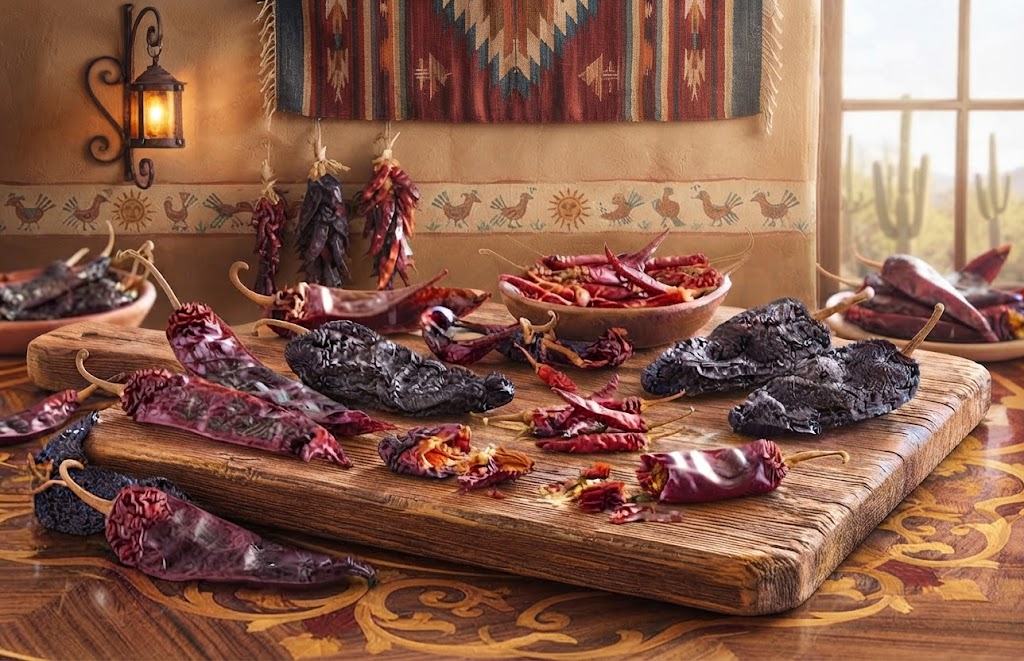
Mexican cuisine uses peppers for much more than making food spicy. They provide depth, aroma, color, and complexity.
Different mexican dried peppers are often combined to create balanced sauces. For example, one pepper might provide a deep red color, another may contribute sweetness, and a third can bring smoky heat.
They are commonly used in:
- Enchilada sauces
- Mole
- Salsas
- Marinades
- Soups
- Stews
- Taco fillings
- Meat dishes
- Chili sauces
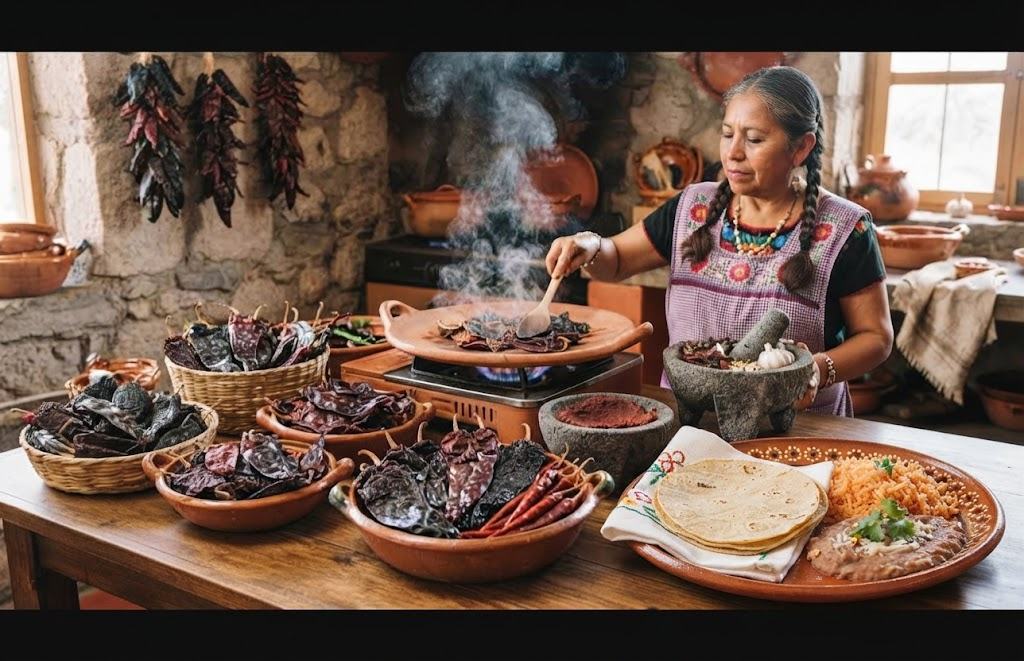
This variety is one reason dried chilies remain such an important ingredient in traditional Mexican kitchens.
9 Popular Types of Dried Chili Peppers
1. Guajillo Dried Chili Pepper
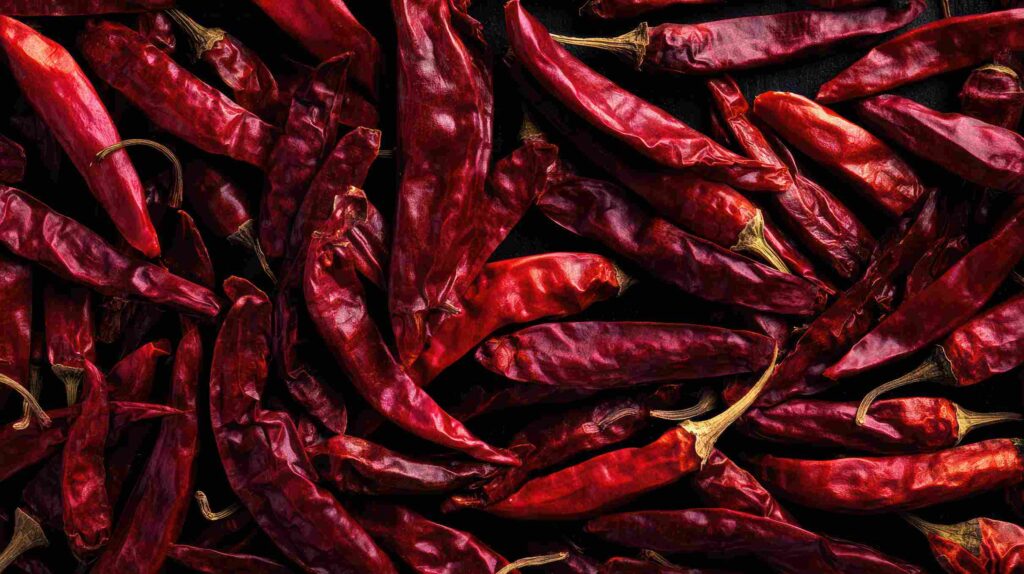
A guajillo dried chili pepper is one of the most popular choices for Mexican sauces. It usually has a smooth red appearance and offers a mild-to-medium level of heat.
Its flavor is slightly fruity, tangy, and earthy, making it excellent for sauces, marinades, soups, and meat dishes. When toasted briefly and then soaked, guajillo becomes soft enough to blend into a smooth sauce.
If you are new to dried chilies, guajillo is a useful variety to try because it can add plenty of flavor without making every dish extremely hot.
2. Ancho Chili Peppers
Ancho peppers are dried poblano peppers. They are generally mild and have a rich flavor with sweet, fruity, and earthy notes.
They are especially useful in mole, enchilada sauces, soups, and slow-cooked dishes. Their dark color can also give sauces a beautiful, deep appearance.
Ancho is a good option when you want complexity and mild warmth rather than strong heat.
3. Dried Chipotle Peppers
Dried chipotle peppers are dried, smoked jalapeños. Their defining characteristic is their strong smoky flavor.
They work especially well with grilled meats, beans, tacos, sauces, and spicy marinades. Because their flavor is powerful, you often do not need a large amount.
Chipotle can turn a simple sauce into something much more interesting by adding a smoky character along with heat.
4. Dried New Mexican Chile Peppers
Dried New Mexican chile peppers are valued for their bright red color and balanced flavor. Depending on the variety, they can range from mild to moderately hot.
They are commonly used for red chile sauces, stews, enchiladas, and meat dishes. Their flavor is often earthy with mild fruity notes.
They are particularly useful when color is just as important as flavor.
5. Árbol Chili Peppers
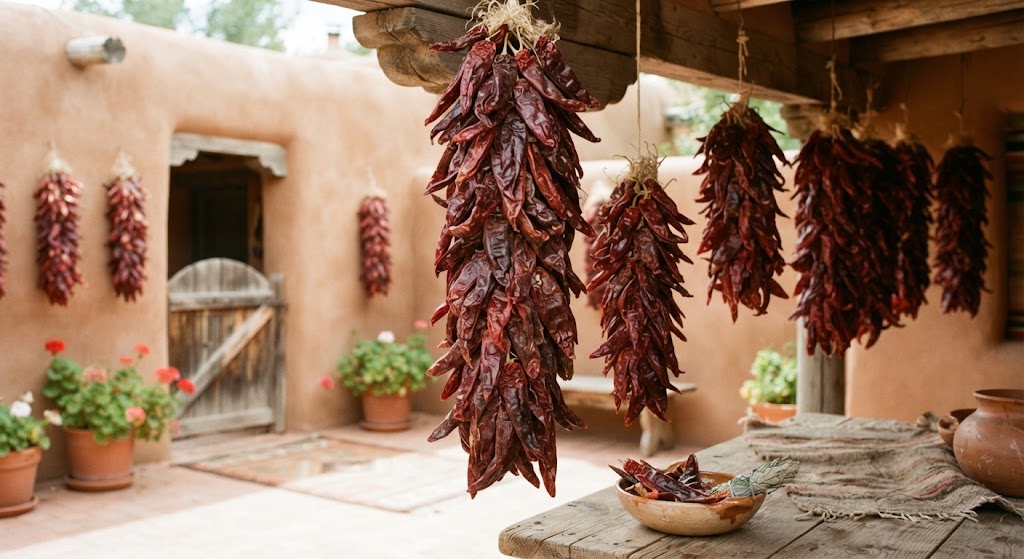
Árbol peppers are thin, bright red chilies known for their stronger heat. They are often used to make spicy salsa, chili oils, and hot sauces.
Unlike some milder varieties, árbol peppers are usually chosen primarily for their heat. A small amount can make a noticeable difference.
When using them, start with less than you think you need and adjust gradually.
6. Pasilla Chili Peppers
Pasilla peppers have a dark appearance and a rich, earthy flavor. They can add depth to sauces and traditional Mexican recipes without relying only on heat.
They pair particularly well with tomatoes, garlic, onions, and other dried varieties. Their complex taste makes them useful in recipes that require several layers of flavor.
7. Cascabel Chili Peppers
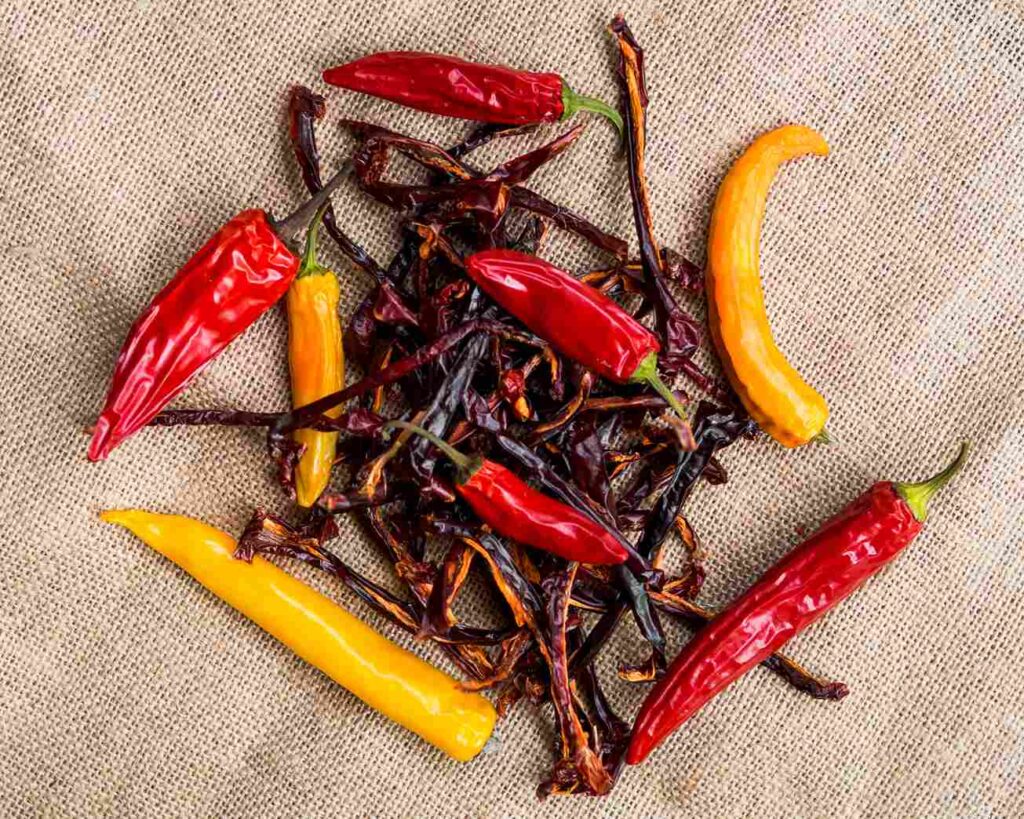
Cascabel peppers are small and round, with a distinctive nutty and slightly smoky flavor. They usually provide moderate heat.
They are often toasted before being blended into sauces. Their unique flavor makes them an excellent choice when you want something different from the more common varieties.
8. Mulato Chili Peppers
Mulato peppers are dark and are known for sweet, earthy, and slightly chocolate-like flavor notes.
They are often associated with complex sauces and mole. They can add richness without making the dish overwhelmingly hot.
Mulato works particularly well when several ingredients are blended together to create a layered sauce.
9. California Chili Peppers
California chili peppers are generally mild and are often selected for their color and gentle flavor. They can be used in sauces, soups, stews, and everyday Mexican dishes.
They are useful when you want the appearance and flavor of a red chile sauce but prefer to keep the heat relatively low.
Dried Chili Peppers vs. Fresh Chili Peppers
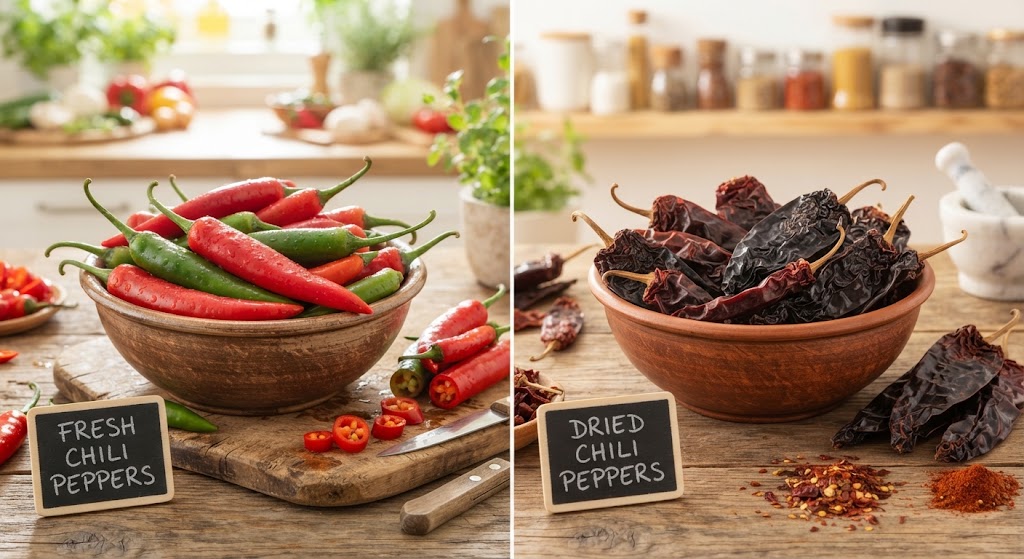
Fresh and dried chilies can come from similar plants, but their culinary characteristics are different.
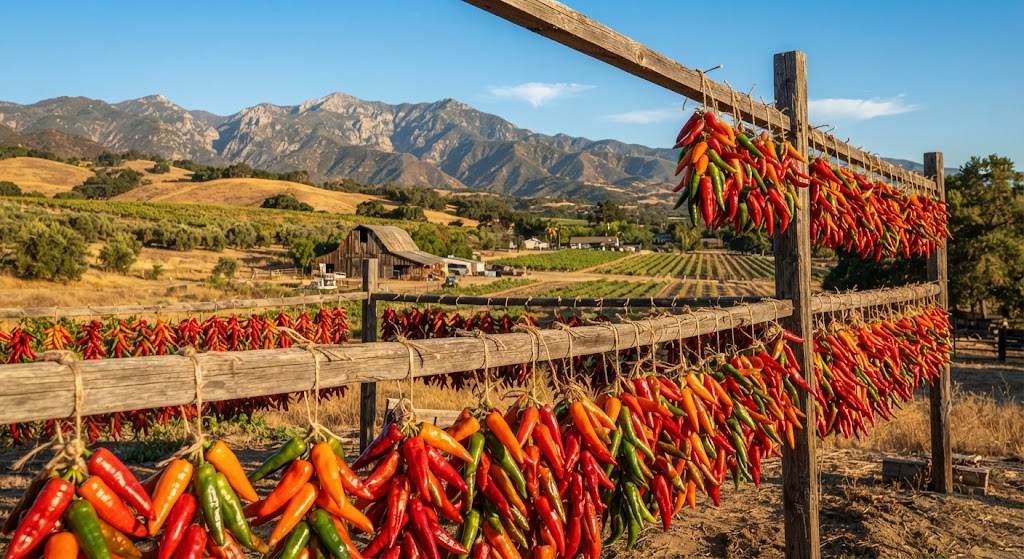
Fresh peppers contain a lot of moisture and usually have a bright, crisp flavor. Dried peppers have a more concentrated taste and can develop deeper earthy, smoky, or fruity notes.
Dried varieties are also convenient because they can stay usable for a long time when stored correctly. Fresh peppers, on the other hand, are often better when you want a crisp texture or fresh heat.
The best choice depends on the recipe. For a smooth Mexican sauce, a dried pepper may be ideal. For a fresh salsa, a fresh chili can provide a brighter result.
How to Prepare Dried Chili Peppers for Cooking
Before adding them to a recipe, you may need to prepare them properly.
Step 1: Remove the Stems
Cut or pull away the stems. This makes the peppers easier to clean and blend.
Step 2: Remove Seeds if Needed
Seeds and inner membranes can contribute to heat. Removing some of them can make the final sauce milder.
However, don’t assume that removing every seed will completely remove the heat. The pepper variety itself matters.
Step 3: Toast the Peppers
Briefly toast the peppers in a dry skillet over medium or medium-low heat. Move them frequently and avoid burning them.
A burnt chili can become bitter very quickly, so this step should be short.
Step 4: Rehydrate
Place the toasted peppers in hot water and allow them to soften. The exact soaking time depends on their size and thickness.
Once soft, drain them and continue with your recipe.
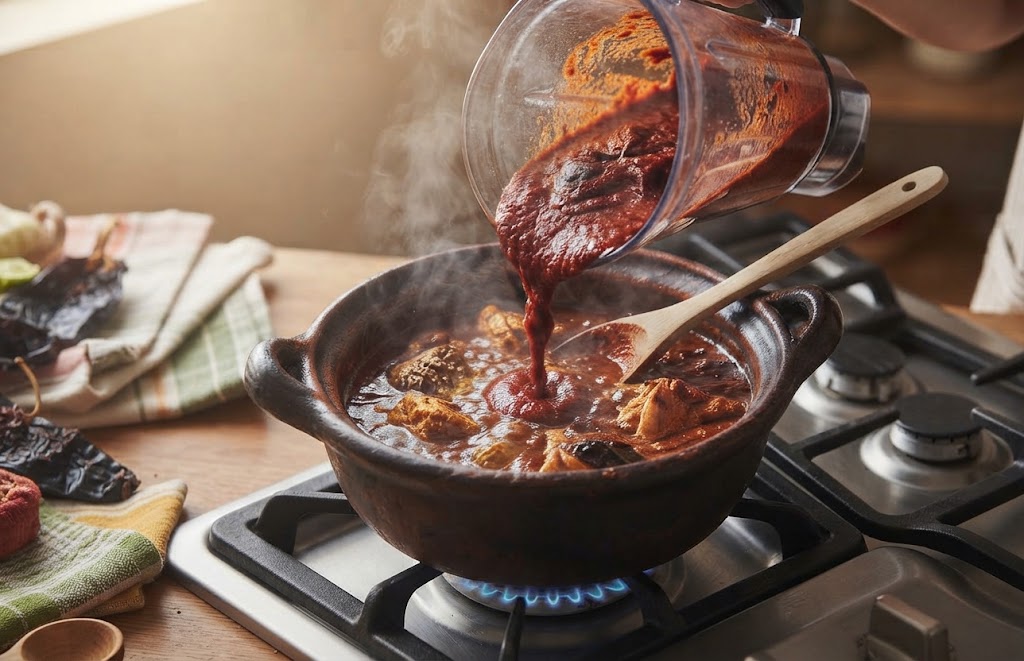
Step 5: Blend or Use Whole
After rehydration, the peppers can be blended with garlic, onion, tomatoes, spices, or other ingredients to create a sauce.
How to Dry Chili Peppers at Home
If you have extra fresh chilies, you may wonder how to dry chili peppers without losing their flavor.
There are several methods:
Air Drying
Small peppers can be tied together and hung in a dry, well-ventilated area. This traditional method can take several days or longer depending on humidity.
Oven Drying
A low oven can gradually remove moisture from sliced or whole peppers. Keep the temperature low and check them regularly.
Food Dehydrator
A food dehydrator offers controlled airflow and temperature, making it a convenient option for home drying.
Sun Drying
Sun drying can work in suitable dry climates, but humidity, insects, and contamination can make this method less reliable.
Whatever method you choose, the peppers should be completely dry before storage. Any remaining moisture can encourage mold.
How to Use Dried Chili Peppers in Cooking
The versatility of dried chili peppers is one of their biggest advantages. You can use them in many different ways depending on the recipe.
Make Mexican Sauces
Toast and rehydrate the peppers, then blend them with tomatoes, garlic, onion, spices, and liquid to create a flavorful sauce.
Add Them to Mole
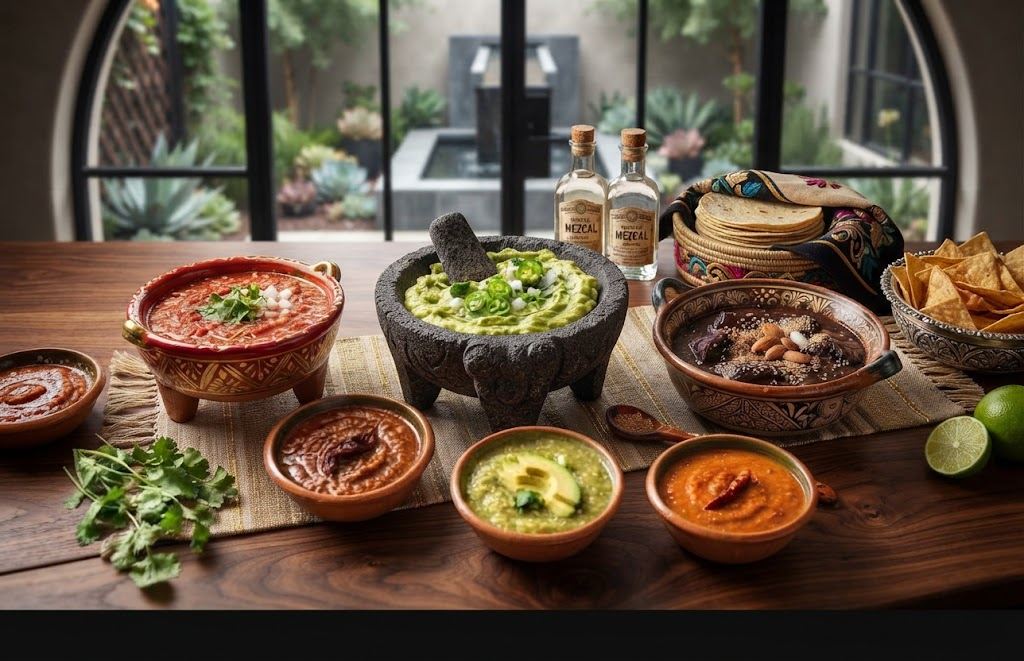
Several varieties can be combined with nuts, spices, dried fruit, and other ingredients to create the deep flavor associated with mole.
Prepare Enchilada Sauce
Red chilies are commonly blended into smooth sauces that work beautifully with enchiladas, chicken, cheese, or vegetables.
Season Soups and Stews
A small amount can add depth to bean soups, meat stews, and vegetable dishes.
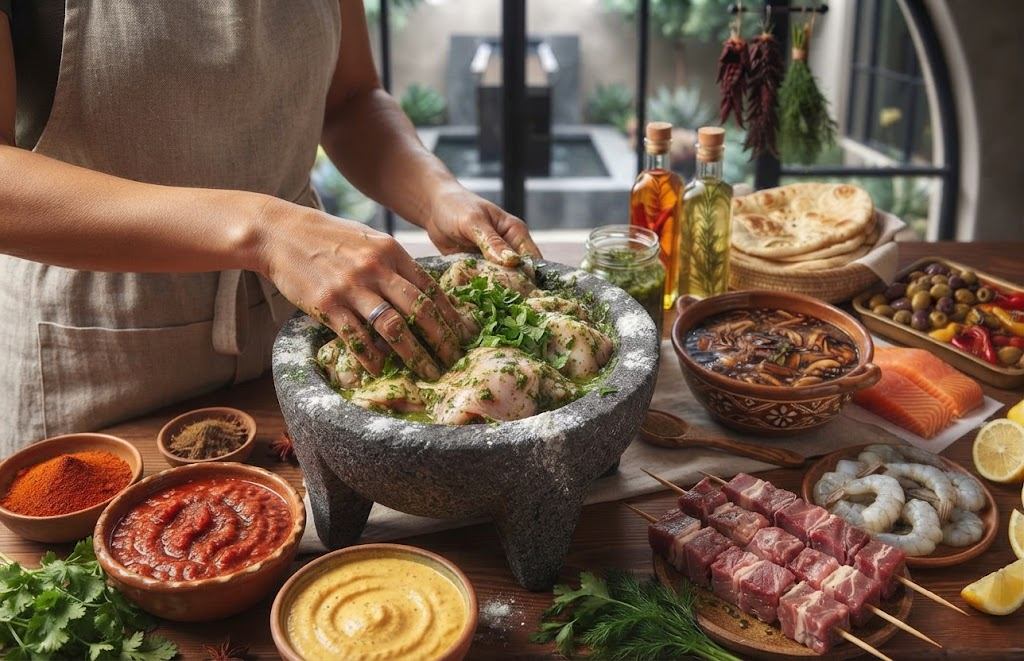
Create Marinades
Blended chili paste can be combined with garlic, citrus juice, vinegar, herbs, and spices to make a flavorful marinade.
Make Chili Oil
Some varieties can be crushed and infused into oil to create a spicy condiment.
Dried Chili Peppers vs. Ground Chili Pepper
Whole peppers and ground chili pepper are not always interchangeable.
Whole dried peppers usually retain more of their original aroma and can be toasted or rehydrated before use. Ground powder is convenient because it can be added directly to a recipe.
However, ground products may lose aroma faster after opening. For maximum flexibility, keeping whole peppers and grinding small amounts when needed can be a practical approach.
How to Control the Heat
Not every dried pepper is extremely spicy. Heat varies greatly between varieties.
To control the final result:
- Choose a mild variety for gentle warmth.
- Remove some seeds and membranes.
- Start with a small quantity.
- Combine mild and hot peppers.
- Taste the sauce before adding more.
- Balance strong heat with other ingredients.
If you are cooking for people with different spice preferences, it is usually easier to start mild and increase the heat gradually.
How to Store Dried Chili Peppers
Proper storage helps protect both flavor and quality.
Keep the peppers in an airtight container away from moisture, direct sunlight, and excessive heat. A cool, dry pantry is generally suitable.
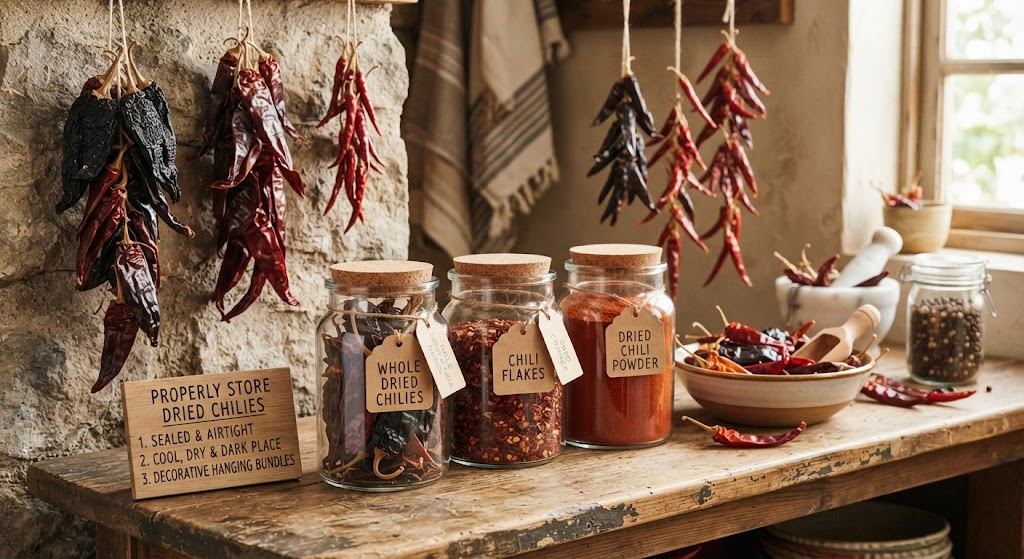
Whole peppers usually maintain their quality better than opened ground powder because less surface area is exposed to air.
Check your peppers occasionally. If you notice moisture, mold, an unusual smell, or significant deterioration, they should not be used.
Common Mistakes to Avoid
Even simple chili preparation can go wrong if you are not careful.
One common mistake is burning the peppers while toasting them. They only need a short amount of heat.
Another is using too many varieties at once without considering how their flavors work together. A balanced combination is usually better than simply adding more chilies.
Poor storage is another problem. Exposure to moisture can reduce quality and may lead to spoilage.
Finally, remember that heat levels vary. Always consider the specific pepper before adding a large quantity to your dish.
Frequently Asked Questions
Are dried chili peppers hotter than fresh ones?
Not necessarily. Drying concentrates flavor, but the actual heat depends on the pepper variety and how much you use.
What is the best dried pepper for Mexican cooking?
There is no single choice for every recipe. Guajillo, ancho, chipotle, árbol, pasilla, and other varieties each provide different flavors and heat levels.
Can I grind whole dried peppers?
Yes. Completely dry peppers can be ground into flakes or powder. A spice grinder can make this process quick and easy.
How long do dried peppers last?
When kept airtight in a cool, dry, dark place, they can remain usable for a long time. However, flavor and aroma gradually decline with age.
Can I substitute one dried pepper for another?
Sometimes, but the result may change because peppers differ in heat, color, sweetness, and flavor. When substituting, consider these characteristics rather than using an equal amount automatically.
Should I remove the seeds?
You can remove them if you want to reduce some of the heat or create a smoother sauce. Whether you remove them depends on the recipe and your preferred spice level.
Final Thoughts
Learning about different dried chili peppers makes Mexican cooking much more exciting. Each variety brings its own combination of heat, color, aroma, and flavor, so experimenting with different peppers can completely change a familiar recipe.
Guajillo can provide fruity depth, ancho can add sweetness, chipotle can bring smoky character, and árbol can deliver stronger heat. Once you understand these differences, choosing the right pepper becomes much easier.
Whether you are making salsa, mole, enchilada sauce, soup, marinade, or a simple homemade seasoning, dried chilies can help create richer and more memorable food. Start with a variety that matches your preferred heat level, prepare it carefully, and let the natural flavor of the pepper become part of the dish.