
Mexican ingredients cuisine is loved around the world for its bold flavors, colorful dishes, and rich culinary traditions. While recipes like tacos, enchiladas, tamales, and guacamole are well known, the true secret behind their authentic taste lies in the mexican ingredients and spices used to prepare them. Fresh vegetables, aromatic herbs, flavorful chili peppers, and traditional seasonings work together to create meals that are both simple and unforgettable.
One of the most interesting things about Mexican ingredients cooking is its balance of flavors. A single dish may combine smoky chilies, fresh herbs, tangy lime juice, sweet tomatoes, and earthy spices to create a meal that is rich without being overwhelming. Rather than depending on heavy sauces or processed ingredients, traditional Mexican recipes focus on fresh, natural foods that have been part of the country’s cuisine for centuries.
Many of these mexican ingredients have deep historical roots. Long before European settlers arrived, Indigenous civilizations such as the Maya and Aztec cultivated corn, beans, squash, tomatoes, avocados, cacao, and many varieties of chili peppers. These mexican ingredients continue to form the foundation of authentic Mexican cooking today. Over time, Spanish influences introduced garlic, onions, rice, citrus fruits, cinnamon, and other ingredients that blended beautifully with local traditions.
Whether you’re new to Mexican cooking or want to improve your recipes, understanding the essential ingredients is the first step toward preparing authentic meals at home. In this guide, you’ll learn about traditional pantry staples, popular chili peppers, herbs, spices, cheeses, vegetables, and cooking tips that define Mexican ingerdients cuisine.
What Makes Mexican Ingredients Unique?
Mexican ingredients are special because they combine freshness, tradition, and regional diversity. Most authentic recipes use simple ingredients, but the careful combination of herbs, spices, vegetables, and chilies creates layers of flavor that make every dish unique.
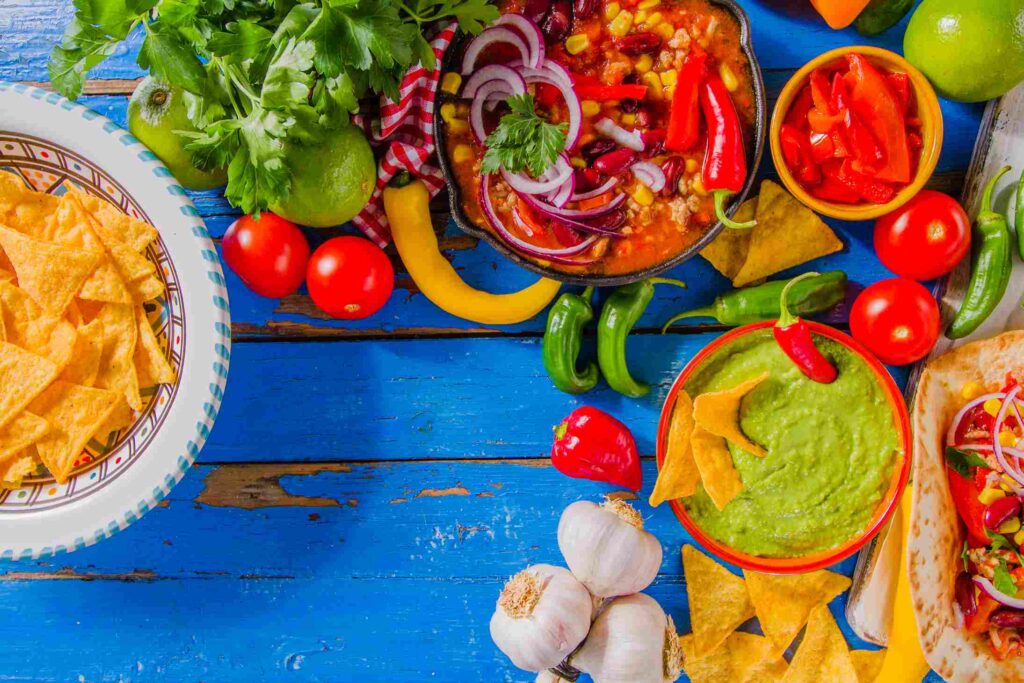
Fresh and Seasonal Ingredients
Fresh produce is at the heart of Mexican cooking. Tomatoes, onions, garlic, cilantro, avocados, chili peppers, and limes are used daily in homes and restaurants across Mexico.
Shopping at local markets is still a common tradition, allowing families to prepare meals with ingredients that are fresh, flavorful, and naturally grown. This focus on freshness gives Mexican food its bright taste and vibrant appearance.
Indigenous Culinary Heritage
Many of the ingredients found in modern Mexican kitchens have been used for thousands of years. Corn, beans, squash, cacao, and chili peppers were cultivated long before European contact and remain essential today.
These ingredients not only provide excellent nutrition but also represent an important part of Mexico’s cultural identity. Ancient cooking methods continue to influence how many traditional recipes are prepared.
A Perfect Balance of Flavors
Authentic Mexican cooking is about creating harmony between different flavors. Spicy chili peppers are balanced with creamy avocados, fresh herbs brighten rich sauces, and lime juice adds freshness to grilled meats and seafood.
Instead of focusing only on heat, Mexican cuisine uses spices and herbs to build depth, aroma, and complexity. This balance is one of the reasons Mexican food is appreciated around the world.
The History of Mexican Ingredients and Spices
The story of Mexican ingredients begins thousands of years ago. Over centuries, Indigenous traditions and international influences combined to create one of the world’s richest culinary cultures.
Ancient Indigenous Ingredients
Before the arrival of Europeans, Indigenous civilizations developed advanced farming techniques that allowed them to grow a wide variety of crops. Corn became the most important food because it could be used to prepare tortillas, tamales, atole, and many other everyday dishes.
Beans were another essential crop, providing protein and nutrition alongside corn. Tomatoes, squash, avocados, cacao, vanilla, and many varieties of chili peppers were also widely cultivated.
Ancient cooks used stone tools to grind corn into masa, roasted vegetables over open fires, and prepared meals in clay pots. Many of these traditional techniques are still used today.
Spanish Influence on Mexican Cooking
During the 16th century, Spanish settlers introduced ingredients that greatly expanded Mexican cuisine. Rice, wheat, onions, garlic, beef, pork, chicken, dairy products, citrus fruits, and spices such as cinnamon and cloves became part of everyday cooking.
Rather than replacing Indigenous foods, these ingredients blended with local traditions to create new dishes that are now considered classics. This cultural exchange helped shape the authentic flavors that define Mexican cuisine today.
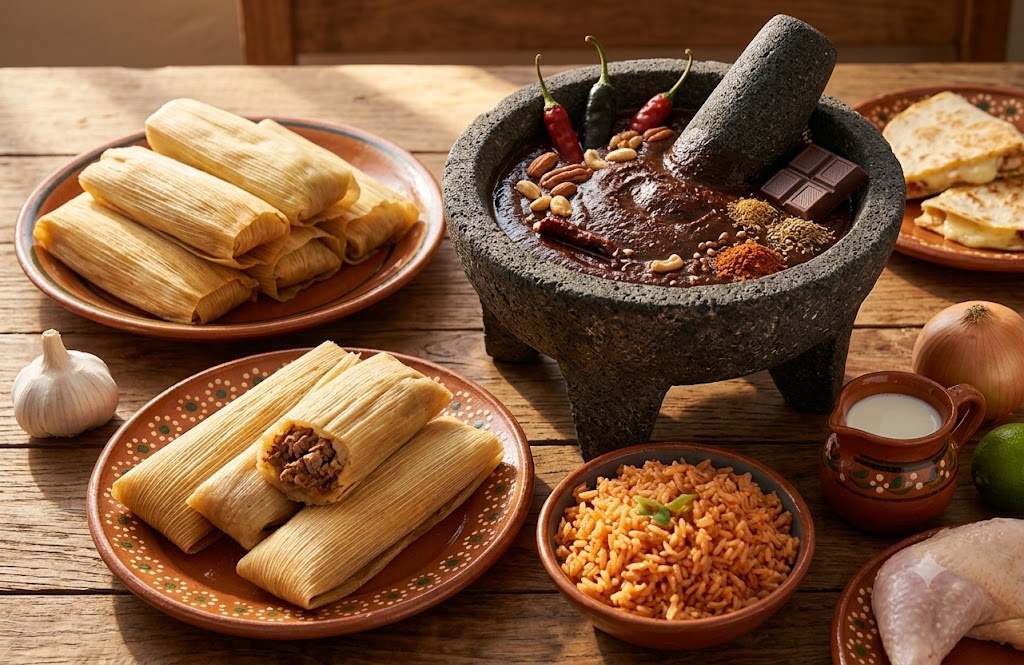
Modern Mexican Pantry Essentials
Today’s Mexican kitchens combine ancient traditions with modern convenience. While many families still prepare fresh tortillas, homemade salsa, and traditional sauces, modern appliances make some tasks faster without changing the authentic flavors.
Fresh vegetables, herbs, dried chilies, spices, beans, rice, cheese, and quality cooking oils remain essential pantry staples. Whether preparing a simple weekday dinner or a festive family meal, these ingredients continue to preserve Mexico’s rich culinary heritage.
Mexican Ingredients & Spices Guide: Essential Ingredients for Authentic Mexican Cooking
Mexican cuisine is known around the world for its bold flavors, colorful dishes, and rich culinary traditions. Behind every delicious taco, enchilada, tamale, or bowl of pozole is a combination of fresh ingredients and carefully selected spices. These ingredients do more than add flavor—they tell the story of Mexico’s history, culture, and regional diversity.
One of the reasons authentic Mexican food is so popular is its use of simple, natural ingredients. Fresh vegetables, aromatic herbs, dried and fresh chili peppers, citrus fruits, and traditional spices work together to create balanced flavors. Instead of relying on processed ingredients, Mexican cooking focuses on freshness, quality, and traditional techniques that have been passed down through generations.
Many of these ingredients have been used for thousands of years. Ancient civilizations such as the Maya and Aztecs grew corn, beans, squash, tomatoes, avocados, cacao, and chili peppers long before European settlers arrived. Later, Spanish influences introduced rice, garlic, onions, cinnamon, cloves, dairy products, and new cooking methods. Together, these ingredients created the unique cuisine that people enjoy today.
Whether you’re preparing homemade salsa, tacos, soups, or traditional stews, understanding the ingredients is the first step toward cooking authentic Mexican food. In this guide, you’ll discover the essential pantry staples, herbs, spices, chili peppers, cheeses, vegetables, and seasonings that make Mexican cuisine one of the most loved in the world.
What Makes Mexican Ingredients Unique?
Mexican ingredients are special because they combine freshness, tradition, and variety. Every region of Mexico uses local ingredients that reflect its climate, geography, and cultural history. Although recipes differ from one area to another, they all share a commitment to fresh produce and balanced flavors.
Fresh and Natural Ingredients
Fresh vegetables and herbs are the foundation of authentic Mexican cooking. Tomatoes, onions, garlic, cilantro, avocados, chili peppers, and limes are used in countless recipes. These ingredients provide natural flavor without the need for artificial seasonings.
Many families still shop at local markets where fruits, vegetables, herbs, spices, and handmade products are sold fresh every day. This tradition helps preserve the authentic taste of Mexican cuisine.
Deep Indigenous Roots
Many ingredients used today have been part of Mexican cooking for thousands of years. Corn, beans, squash, tomatoes, cacao, vanilla, and chili peppers were cultivated by Indigenous civilizations long before European contact.
These crops were not only important sources of nutrition but also played a significant role in cultural traditions and daily life. Their influence can still be seen in modern Mexican recipes.
A Balance of Flavors
Authentic Mexican cooking is about creating harmony between different tastes. Smoky chili peppers are balanced with fresh herbs, creamy avocados, tangy lime juice, and sweet tomatoes.
Instead of making dishes extremely spicy, traditional recipes focus on building layers of flavor. Every ingredient has a purpose, creating meals that are rich, fresh, and satisfying.
The History of Mexican Ingredients and Spices
The ingredients used in Mexican cuisine have evolved over centuries, creating one of the richest culinary traditions in the world.
Ancient Indigenous Ingredients
Long before Spanish explorers arrived, Indigenous civilizations such as the Maya, Aztec, Zapotec, and Olmec had developed advanced farming systems. Corn became the most important crop and was used to make tortillas, tamales, atole, and many other staple foods.
Beans were another essential ingredient, providing protein alongside corn. Tomatoes, avocados, squash, cacao, vanilla, and many varieties of chili peppers completed a healthy and flavorful diet.
Cooking methods were simple but highly effective. Corn was ground into masa using stone tools, vegetables were roasted over open fires, and soups and stews were prepared in clay pots. Many of these traditional techniques remain part of Mexican cooking today.
Spanish Influence on Mexican Cooking
When the Spanish arrived in the 16th century, they introduced ingredients such as rice, wheat, onions, garlic, pork, beef, chicken, citrus fruits, cheese, milk, cinnamon, and cloves.
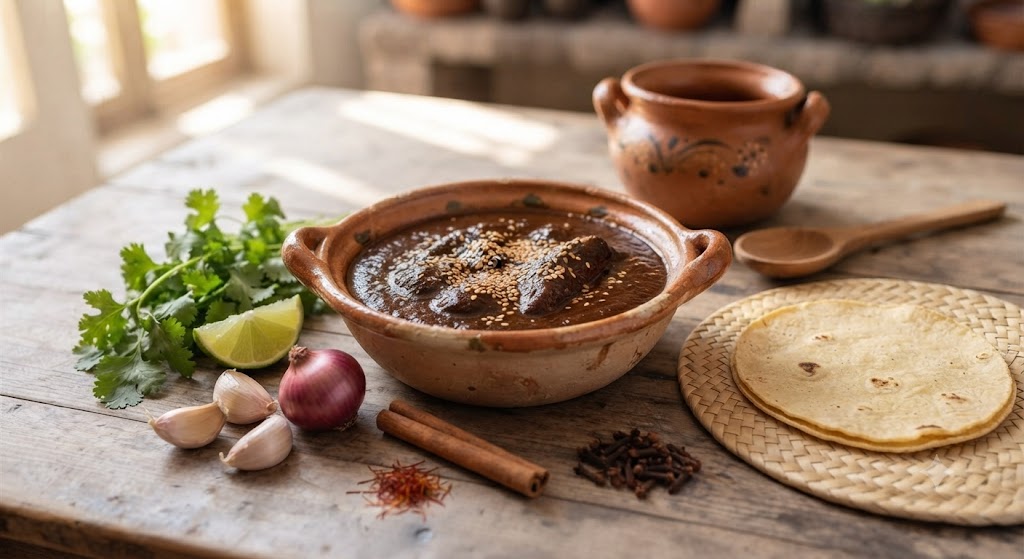
Rather than replacing Indigenous ingredients, these new foods blended with local traditions. This cultural exchange created many dishes that are now considered classics of Mexican cuisine.
The combination of old and new ingredients gave Mexican food its distinctive character while preserving its original identity.
Modern Mexican Pantry Essentials
Today’s Mexican kitchens combine centuries-old traditions with modern convenience. While many families continue to prepare homemade tortillas, salsa, and traditional sauces, modern cookware makes everyday cooking easier.
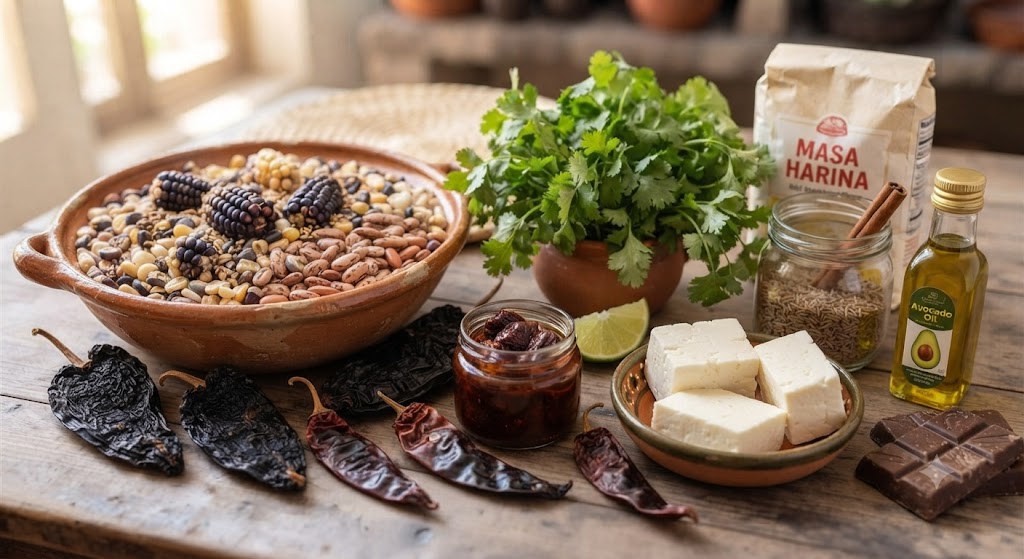
Fresh vegetables, herbs, dried chili peppers, spices, beans, rice, cheese, cooking oils, and masa remain essential pantry staples. These ingredients allow home cooks to prepare everything from quick weekday meals to elaborate holiday feasts while maintaining authentic flavors.
Understanding the history of these ingredients helps us appreciate why Mexican cuisine is so diverse and respected around the world. Every ingredient carries a story, connecting today’s recipes with generations of tradition and cultural heritage.
Essential Mexican Pantry Ingredients
A well-stocked pantry is the foundation of authentic Mexican cooking. While recipes vary from one region to another, many traditional dishes rely on the same everyday ingredients. Keeping these pantry staples at home allows you to prepare a wide range of classic Mexican meals with ease.
Corn and Masa
Corn is the most important ingredient in Mexican cuisine. For thousands of years, it has been a staple food and remains at the center of many traditional recipes.
Masa, a dough made from specially prepared corn, is used to make tortillas, tamales, sopes, gorditas, and many other authentic dishes. Fresh corn is also enjoyed grilled, boiled, or added to soups and salads.
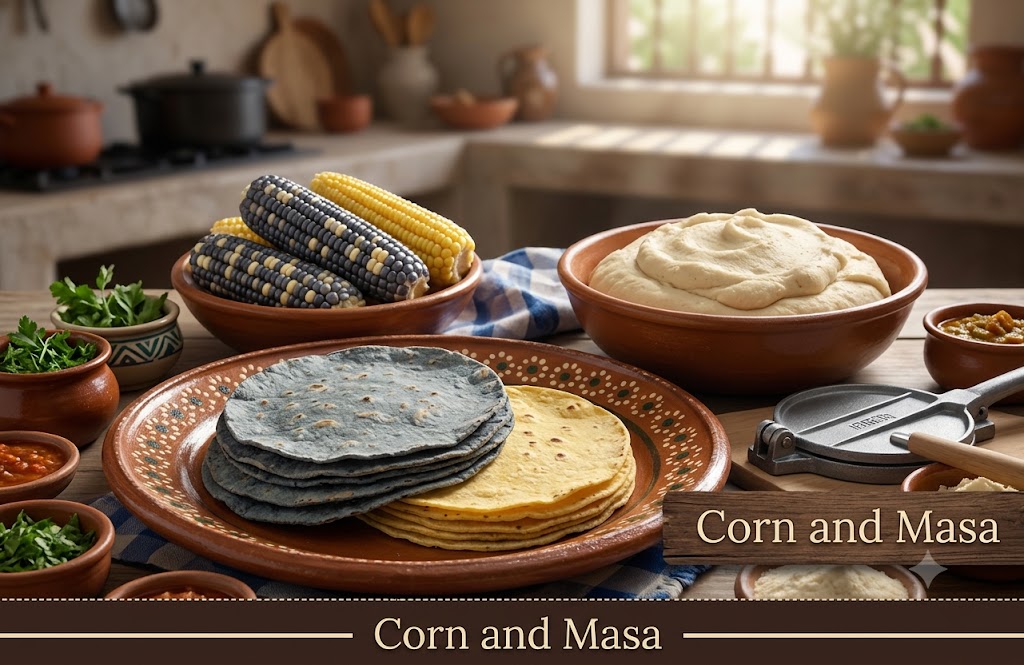
Without corn, Mexican cuisine would not be what it is today.
Beans
Beans are another essential ingredient found in almost every Mexican kitchen. Black beans, pinto beans, and kidney beans are the most common varieties.
They are served as side dishes, mashed into refried beans, or added to soups, burritos, tacos, and salads. Beans are affordable, nutritious, and an excellent source of plant-based protein.
Rice
Rice is often served alongside beans to create a complete meal. Mexican rice is usually cooked with tomatoes, onions, garlic, and broth, giving it a rich color and delicious flavor.
It is a popular side dish that pairs well with grilled meats, enchiladas, tacos, and many traditional recipes.
Tomatoes
Tomatoes are one of the most frequently used vegetables in Mexican cooking. They form the base of many sauces, soups, stews, rice dishes, and fresh salsas.
Roasting tomatoes before blending them with onions, garlic, and chili peppers creates a deeper and more authentic flavor.
Tomatillos
Tomatillos look similar to green tomatoes but have a unique tangy flavor. They are the main ingredient in Salsa Verde and are widely used in soups, sauces, and marinades.
Their fresh, slightly citrus-like taste adds brightness to many traditional dishes.
Onions and Garlic
Onions and garlic are the flavor base for countless Mexican recipes. They are commonly sautéed, roasted, or blended into sauces before other ingredients are added.
These simple ingredients help create rich, savory flavors in soups, stews, tacos, rice, beans, and meat dishes.
Avocados
Creamy avocados are enjoyed throughout Mexico. They are most famous as the main ingredient in guacamole, but they are also sliced into tacos, tortas, salads, and breakfast dishes.
Their smooth texture balances spicy foods while adding healthy fats to meals.
Fresh Limes
Limes are an essential finishing ingredient in Mexican cuisine. A squeeze of fresh lime juice adds brightness to tacos, grilled meats, seafood, soups, salads, and even fruit.
Fresh lime helps balance rich flavors and enhances the taste of many traditional recipes.
Essential Mexican Chili Peppers
Chili peppers are one of the defining ingredients of Mexican cuisine. They provide much more than heat—they add aroma, color, sweetness, smokiness, and depth of flavor.
Mexico grows dozens of chili varieties, each with its own unique characteristics.
Jalapeño
Jalapeños are among the most popular fresh chili peppers. They have a mild to medium level of heat and are commonly used in salsa, nachos, tacos, sandwiches, and pickled recipes.
Their fresh, slightly grassy flavor makes them perfect for everyday cooking.
Serrano
Serrano peppers are smaller and hotter than jalapeños. They are often used in fresh salsa, guacamole, and spicy sauces because they add clean heat without overpowering other ingredients.
Poblano
Poblano peppers are large, dark green peppers with a mild flavor. They are famous for dishes such as Chiles Rellenos, where they are stuffed with cheese or meat.
When dried, poblano peppers become ancho chilies, one of the most commonly used dried peppers in Mexican cooking.
Anaheim
Anaheim peppers have a mild flavor and are often roasted, grilled, or stuffed. They are a great choice for people who enjoy the taste of peppers without too much spice.
Habanero
Habanero peppers are known for their intense heat and fruity aroma. They are especially popular in the Yucatán Peninsula, where they are used in spicy salsas and marinades.
Because they are very hot, only a small amount is usually needed.
Chipotle
Chipotle peppers are smoked and dried jalapeños. Their smoky flavor makes them perfect for marinades, soups, sauces, tacos, and grilled meats.
They add depth rather than just heat.
Ancho
Ancho chilies are dried poblano peppers. They have a mild, slightly sweet flavor with hints of raisins and chocolate.
They are widely used in mole sauces, soups, and slow-cooked meat dishes.
Guajillo
Guajillo chilies have a smooth skin and a mildly spicy, fruity flavor. They are one of the most commonly used dried chilies in authentic Mexican cooking.
Many traditional sauces and marinades begin with guajillo peppers.
Pasilla
Pasilla chilies have a rich, earthy flavor with mild heat. They are commonly added to soups, mole, and traditional sauces.
Their deep flavor works well in slow-cooked recipes.
Chile de Árbol
Chile de Árbol peppers are thin, bright red chilies with a much hotter flavor than many other varieties.
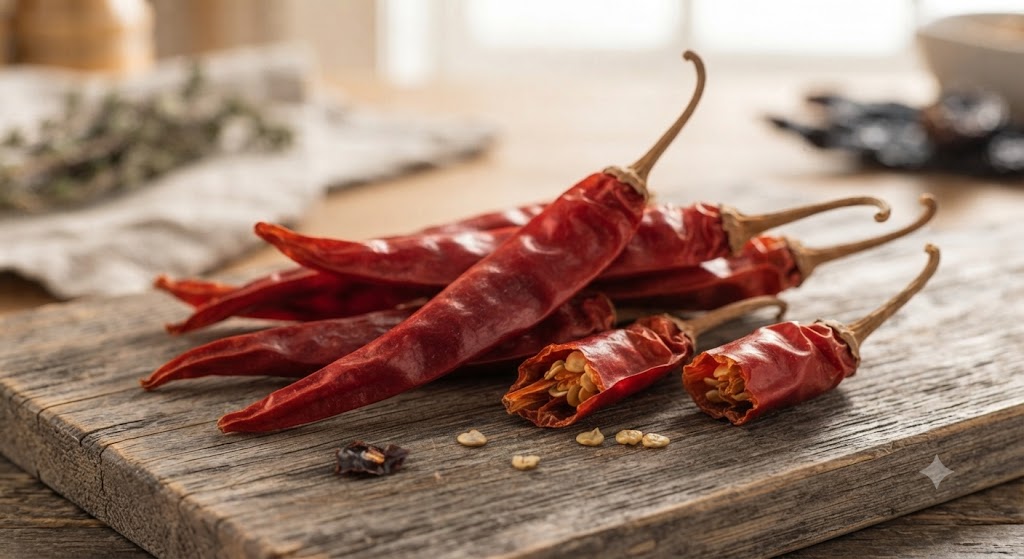
They are often used in spicy salsa, hot sauces, and chili oils for those who enjoy extra heat.
Traditional Mexican Herbs
Fresh herbs bring brightness, aroma, and balance to Mexican cuisine. While spices provide depth, herbs add freshness that completes many traditional recipes.
Cilantro
Cilantro is one of the most widely used herbs in Mexican cooking. It is sprinkled over tacos, soups, rice, beans, grilled meats, seafood, and fresh salsa.
Its bright, refreshing flavor complements spicy and savory dishes.
Mexican Oregano
Mexican oregano has a stronger and more citrus-like flavor than Mediterranean oregano. It is commonly used in pozole, beans, soups, stews, marinades, and meat dishes.
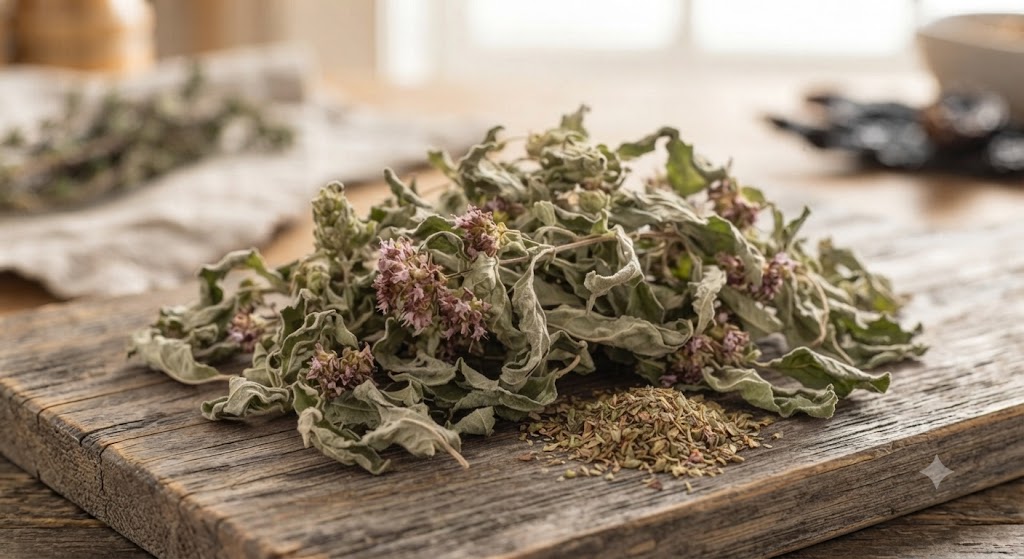
It is considered an essential herb for authentic Mexican cooking.
Epazote
Epazote is a traditional Mexican herb with a distinctive earthy flavor. It is often cooked with beans to enhance their taste and is also used in soups, tamales, and quesadillas.
Although less common outside Mexico, it remains an important ingredient in many regional recipes.
Hoja Santa
Hoja Santa is a large aromatic leaf used in southern Mexico. It has a unique herbal flavor and is often wrapped around fish, meat, or tamales before cooking.
It also adds fragrance to sauces and stews.
Bay Leaves
Bay leaves are commonly added to beans, soups, stews, and braised meats. Although removed before serving, they provide a subtle depth of flavor that enhances slow-cooked dishes.
By understanding these pantry staples, chili peppers, and herbs, you’ll be well on your way to creating authentic Mexican meals with rich, balanced flavors in your own kitchen.
Essential Mexican Spices
Spices are one of the key reasons Mexican food is so flavorful and memorable. While chili peppers often receive the most attention, many traditional spices help create the rich, balanced taste that defines authentic Mexican cuisine.
Instead of overpowering a dish, Mexican spices work together to enhance the natural flavors of fresh ingredients. Learning how to use these seasonings will help you prepare meals that taste closer to those served in Mexico.
Cumin
Cumin is one of the most commonly used spices in Mexican cooking. It has a warm, earthy flavor that works well with beef, chicken, beans, rice, soups, and tacos.
A small amount of cumin adds depth to recipes without overpowering other ingredients.
Cinnamon
Mexican cinnamon has a mild, sweet flavor and is used in both savory and sweet recipes. It is an important ingredient in mole sauce, Mexican hot chocolate, champurrado, arroz con leche, and many traditional desserts.
Its warm aroma makes it one of the most recognizable spices in Mexican kitchens.
Cloves
Cloves have a strong, slightly sweet flavor and are used in small amounts to season sauces, stews, and marinades. They are also found in festive recipes prepared during holidays and special celebrations.
Black Pepper
Black pepper is widely used to season meats, vegetables, soups, and sauces. Rather than making food spicy, it adds gentle warmth and enhances other seasonings.
Freshly ground black pepper provides the best flavor.
Paprika
Paprika contributes color and a mild smoky flavor to many recipes. It is commonly added to marinades, grilled meats, soups, and rice dishes.
Although not every traditional recipe includes paprika, it is a useful spice for adding richness to homemade meals.
Allspice
Allspice has a flavor that combines hints of cinnamon, cloves, and nutmeg. It is often used in slow-cooked meats, marinades, and festive dishes.
Its warm aroma blends beautifully with other traditional Mexican spices.
Popular Mexican Seasonings and Condiments
Besides herbs and spices, Mexican cuisine includes several unique seasonings and condiments that add bold flavor to everyday meals.
Tajín
Tajín is a popular Mexican seasoning made from chili peppers, lime, and salt. It is commonly sprinkled over fresh fruit, vegetables, popcorn, chips, and even drinks.
Its combination of spicy, salty, and tangy flavors makes it a favorite throughout Mexico.
Chamoy
Chamoy is a sweet, tangy, and slightly spicy sauce made from fruit, chili powder, and lime.
It is often served with fresh fruit, snacks, chips, candies, and beverages, adding a unique balance of sweet and savory flavors.
Adobo
Adobo is a flavorful marinade prepared with dried chili peppers, garlic, vinegar, herbs, and spices.
It is commonly used to season chicken, pork, beef, and seafood before grilling or roasting. The marinade helps tenderize meat while adding rich, smoky flavor.
Mole Paste
Mole paste is the base for one of Mexico’s most famous sauces. It combines dried chilies, nuts, seeds, spices, tomatoes, and a small amount of chocolate.
Although preparing mole from scratch takes time, ready-made mole paste allows home cooks to enjoy this traditional sauce more easily.
Mexican Vanilla
Mexico is the birthplace of vanilla, and authentic Mexican vanilla is highly valued for its smooth, rich flavor.
It is widely used in cakes, cookies, custards, hot chocolate, and traditional desserts.
Mexican Chocolate
Mexican chocolate differs from regular chocolate because it often contains cinnamon and sugar blended directly into the chocolate.
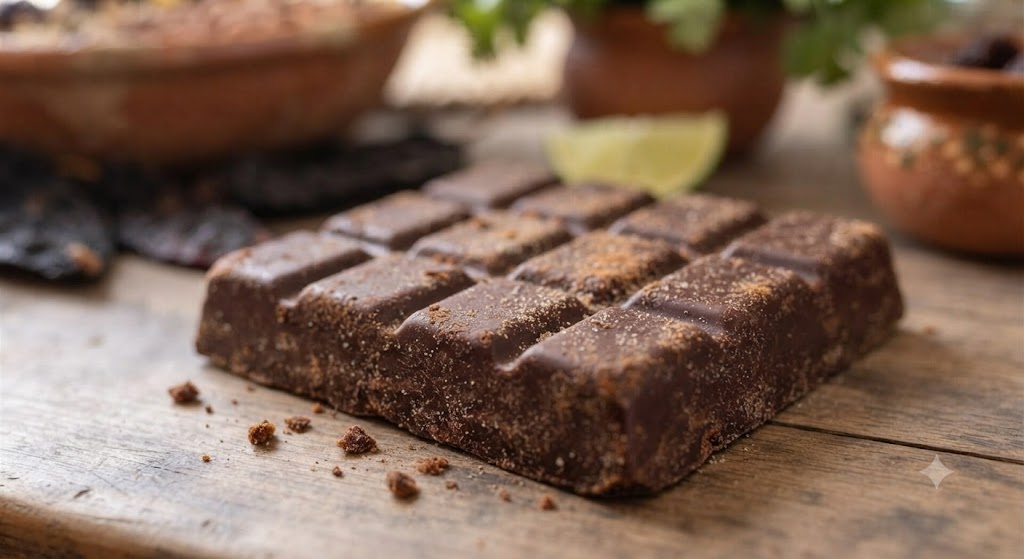
It is used to prepare hot chocolate, mole sauce, desserts, and baked treats with a warm, slightly spicy flavor.
Traditional Mexican Cheeses
Cheese plays an important role in many Mexican recipes. Different varieties offer unique textures and flavors that complement traditional dishes.
Queso Fresco
Queso Fresco is a soft, fresh cheese with a mild and slightly salty taste.
It is commonly crumbled over tacos, enchiladas, beans, salads, soups, and grilled vegetables.
Cotija
Cotija is a firm, aged cheese with a rich salty flavor. It is often grated over tacos, corn, salads, beans, and pasta dishes.
Because of its bold taste, only a small amount is needed.
Oaxaca Cheese
Oaxaca cheese is a soft, stringy cheese that melts beautifully.
It is perfect for quesadillas, stuffed peppers, baked dishes, and melted cheese recipes.
Panela
Panela is a fresh white cheese with a mild flavor that holds its shape when heated.
It can be grilled, sliced into salads, or served alongside fresh vegetables and fruit.
Fresh Vegetables Used in Mexican Cooking
Fresh vegetables are essential in authentic Mexican cuisine. They provide color, texture, nutrition, and natural flavor while helping create balanced meals.
Bell Peppers
Bell peppers are often grilled, roasted, or sautéed before being added to tacos, fajitas, rice dishes, soups, and salads.
Their natural sweetness balances spicy ingredients.
Squash
Squash has been grown in Mexico since ancient times. It is commonly added to soups, stews, casseroles, and vegetable dishes.
Both the squash itself and its blossoms are used in traditional cooking.
Corn
Fresh corn appears in many forms throughout Mexican cuisine. It is grilled as elote, served in cups as esquites, added to soups, or ground into masa for tortillas and tamales.
Its natural sweetness makes it one of the country’s most versatile ingredients.
Nopales (Cactus)
Nopales are edible cactus paddles that have been enjoyed in Mexico for centuries.
They are cooked with eggs, grilled, added to salads, or mixed into tacos and stews. Their slightly tangy flavor and crisp texture make them a unique ingredient in traditional cuisine.
Chayote
Chayote is a light green squash with a mild flavor and crisp texture.
It is commonly used in soups, stews, salads, and vegetable side dishes. Because it absorbs the flavors of other ingredients, it works well in many traditional recipes.
Why Fresh Ingredients Matter
Authentic Mexican cooking depends on the quality of its ingredients. Fresh herbs, ripe tomatoes, flavorful chili peppers, and seasonal vegetables create dishes that are naturally rich in taste.
Instead of relying on processed sauces or artificial flavorings, traditional recipes allow fresh ingredients to shine. Shopping at local markets, choosing seasonal produce, and preparing homemade sauces can make a significant difference in the final result.
By filling your kitchen with authentic Mexican spices, herbs, vegetables, cheeses, and pantry staples, you’ll have everything you need to prepare delicious homemade meals that capture the true flavors of Mexico.
Traditional Mexican Fruits
Fresh fruit is an important part of Mexican cuisine. Many fruits are eaten as snacks, blended into refreshing drinks, added to desserts, or used in savory dishes. Their natural sweetness helps balance the bold flavors found in many Mexican recipes.
Mango
Mango is one of the most popular fruits in Mexico. It is enjoyed fresh, added to fruit salads, blended into smoothies, or served with lime juice and chili seasoning for a sweet and spicy snack.
Papaya
Papaya has a soft texture and naturally sweet flavor. It is commonly served at breakfast, mixed into fruit bowls, or blended into fresh juices.
Pineapple
Pineapple adds a sweet and tangy flavor to both savory and sweet dishes. It is often grilled, used in salsas, added to tacos, or blended into refreshing drinks.
Guava
Guava is widely grown throughout Mexico and is loved for its sweet aroma and tropical flavor. It is used to make jams, desserts, juices, candies, and traditional holiday drinks.
Tamarind
Tamarind has a unique sweet and sour taste. It is used in candies, sauces, drinks, and marinades, adding a rich depth of flavor to many recipes.
Avocado
Although many people think of avocado as a vegetable, it is actually a fruit. It is one of the most important ingredients in Mexican cooking and is commonly used in guacamole, salads, tacos, tortas, and many other dishes.
Common Proteins in Mexican Cuisine
Mexican cuisine includes a variety of protein sources that work well with traditional herbs, spices, and sauces.
Chicken
Chicken is one of the most popular proteins in Mexican cooking. It is grilled, roasted, shredded, or simmered in flavorful sauces for tacos, enchiladas, soups, and casseroles.
Beef
Beef is widely used in northern Mexico, where grilled meats are especially popular. It is prepared in tacos, burritos, stews, fajitas, and slow-cooked dishes.
Pork
Pork is another traditional ingredient found in many regional recipes. It is commonly roasted, braised, grilled, or slow-cooked before being served with tortillas, rice, and salsa.
Seafood
Mexico’s long coastline provides fresh fish, shrimp, crab, octopus, and other seafood. Coastal regions are famous for ceviche, fish tacos, grilled shrimp, and seafood soups.
Beans as Plant-Based Protein
Beans remain one of the most important protein sources in Mexican cuisine. They are nutritious, affordable, and suitable for vegetarian meals.
Black beans and pinto beans are commonly served with rice, tortillas, vegetables, and fresh salsa to create balanced and satisfying dishes.
Essential Mexican Cooking Oils and Fats
Cooking oils and fats help develop flavor while providing the right texture for many traditional recipes.
Vegetable Oil
Vegetable oil is commonly used for frying tortillas, sautéing vegetables, and preparing everyday meals because of its mild flavor.
Lard
For generations, lard has been used in traditional Mexican cooking. It gives tamales, refried beans, and tortillas a rich texture and authentic taste.
Many modern cooks use vegetable oil as a lighter alternative, but lard remains popular for classic recipes.
Avocado Oil
Avocado oil has become increasingly popular because of its mild flavor and high smoke point. It works well for grilling, roasting, and sautéing vegetables or meats.
How to Build an Authentic Mexican Pantry
Creating a Mexican pantry doesn’t require buying every ingredient at once. Start with the basics and add more items as you explore new recipes.
A beginner-friendly pantry should include:
- Corn tortillas and masa harina
- Rice and dried beans
- Tomatoes and tomatillos
- Garlic and onions
- Fresh cilantro
- Mexican oregano
- Ground cumin
- Cinnamon
- Black pepper
- Dried chili peppers such as ancho, guajillo, and chipotle
- Canned chipotle peppers in adobo sauce
- Fresh limes
- Avocados
- Vegetable oil
- Queso Fresco or Cotija cheese
- Mexican chocolate
- Vanilla extract
With these ingredients, you can prepare dozens of authentic Mexican recipes at home.
Tips for Cooking with Mexican Ingredients
Cooking authentic Mexican food becomes much easier when you understand a few basic techniques.
Buy Fresh Ingredients
Fresh vegetables, herbs, and chili peppers provide better flavor than processed alternatives. Shopping at local markets is a great way to find high-quality produce.
Roast Vegetables
Roasting tomatoes, onions, garlic, and chili peppers before blending them into salsa creates a richer and smokier flavor.
Use Fresh Lime Juice
Fresh lime juice brightens soups, tacos, grilled meats, seafood, and salads. It should be added just before serving for the best taste.
Toast Dried Spices
Briefly toasting cumin, oregano, or dried chili peppers before cooking helps release their natural aroma.
Taste as You Cook
Traditional Mexican cooking is all about balance. Taste your food throughout the cooking process and adjust the seasoning gradually instead of adding large amounts at once.
Common Mistakes When Using Mexican Ingredients
Even experienced home cooks can make simple mistakes when preparing Mexican recipes.
Using Too Much Chili
Not every Mexican dish is extremely spicy. Chili peppers should add flavor and aroma as well as heat.
Ignoring Fresh Herbs
Fresh cilantro and other herbs add brightness that dried herbs cannot fully replace.
Choosing the Wrong Chili Pepper
Each chili variety has its own flavor profile. Learning when to use ancho, guajillo, chipotle, or jalapeño will greatly improve your recipes.
Overusing Seasoning
Too many spices can hide the natural flavor of fresh ingredients. Season gradually and allow each ingredient to contribute to the final dish.
Skipping Traditional Ingredients
Whenever possible, use authentic ingredients such as masa harina, Mexican oregano, and traditional cheeses to achieve the best results.
Frequently Asked Questions
What are the most important Mexican ingredients?
Corn, beans, tomatoes, chili peppers, onions, garlic, cilantro, avocados, limes, and traditional spices are considered the foundation of Mexican cuisine.
Which spices are commonly used in Mexican cooking?
Cumin, Mexican oregano, cinnamon, cloves, paprika, black pepper, and allspice are among the most popular spices.
What are the most common Mexican chili peppers?
Jalapeño, serrano, poblano, ancho, guajillo, chipotle, pasilla, habanero, and chile de árbol are widely used in authentic recipes.
What herbs are used in Mexican cuisine?
Cilantro, Mexican oregano, epazote, hoja santa, and bay leaves are commonly used to season traditional dishes.
How can beginners start cooking authentic Mexican food?
Begin with simple pantry staples such as tortillas, beans, rice, tomatoes, onions, garlic, cilantro, cumin, and a few dried chilies. As you gain experience, add more traditional ingredients to your kitchen.
Conclusion
Authentic Mexican cooking begins with understanding its ingredients. From ancient staples like corn and beans to flavorful chili peppers, fresh herbs, traditional spices, and regional cheeses, every ingredient plays an important role in creating the rich and balanced flavors that make Mexican cuisine so special.
You don’t need a professional kitchen to cook delicious Mexican food. By stocking your pantry with essential ingredients, choosing fresh produce, and learning a few traditional techniques, you can prepare authentic meals that celebrate Mexico’s incredible culinary heritage.
Whether you’re making homemade tacos, enchiladas, salsa, tamales, soups, or festive family dinners, the right ingredients will help you create dishes full of flavor, tradition, and warmth. As you continue exploring Mexican cuisine, you’ll discover that every spice, herb, and ingredient has a story—and together, they make Mexican cooking one of the world’s most loved food traditions.