
Salsa Con Chile de Arbol: 7 Easy Tips for an Authentic & Delicious Mexican Salsa
Mexican food is famous for its bold flavors, fresh ingredients, and delicious sauces. Among the many traditional Mexican sauces, salsa con chile de arbol stands out because of its beautiful red color, smoky flavor, and satisfying heat. It is a wonderful choice for anyone who enjoys adding a little spice to everyday meals.
This homemade salsa is prepared with dried chile de arbol peppers, garlic, tomatoes, and a few simple seasonings. Depending on the recipe, it can be smooth, slightly chunky, or prepared with oil for a richer texture. It pairs wonderfully with tacos, pozole, grilled meats, quesadillas, and many other Mexican dishes.
The best part is that you do not need complicated ingredients or professional cooking skills to prepare it at home. With a few simple steps, you can make a delicious Mexican salsa that brings restaurant-style flavor to your kitchen.
In this guide, you will discover the ingredients, preparation methods, helpful cooking tips, serving suggestions, and storage advice for making this traditional spicy sauce.
What Is Salsa Con Chile de Arbol?
Salsa con chile de arbol is a traditional Mexican hot sauce made primarily with dried chile de arbol peppers. These small, thin peppers are known for their bright red appearance and strong heat. Their flavor is slightly earthy, sharp, and sometimes smoky, especially when lightly toasted.
The name chile de arbol means tree chili in Spanish. These peppers are commonly used in Mexican cooking because they add intense heat without requiring a large quantity.
Recipes can vary between Mexican households. Some cooks prepare the sauce with tomatoes or tomatillos, while others use garlic, vinegar, water, and oil. Each method creates a slightly different flavor and consistency.
This salsa is especially popular with people who enjoy spicy food. A small spoonful can transform simple dishes into something more flavorful.

Chile de Arbol Salsa Ingredients
One reason this recipe is easy to prepare is that it uses simple ingredients. Most are available at Mexican grocery stores, supermarkets, or online specialty shops.
Here are the main chile de arbol salsa ingredients you will need.
1. Dried Chile de Arbol Peppers
These are the main ingredients responsible for the salsa’s heat and deep red color. Start with around 12 to 15 dried peppers, depending on their size and your preferred spice level.
Remove the stems before cooking. You can remove some seeds if you want a milder sauce.

2. Tomatoes
Two medium tomatoes add natural sweetness, moisture, and a slightly tangy flavor. They also help balance the heat of the dried peppers.
For a different taste, you can use tomatillos instead.
3. Fresh Garlic
Two garlic cloves provide a strong, savory aroma. Garlic works particularly well with dried peppers and gives the sauce a traditional Mexican flavor.
4. White Onion
A small piece of white onion adds sweetness and depth. You do not need a whole onion because its flavor should complement the peppers rather than overpower them.
5. Vegetable Oil
One or two tablespoons of neutral vegetable oil can help create a smoother texture. Oil is especially useful when preparing an oil-based version.
6. Salt and Lime Juice
Salt brings all the flavors together, while a little fresh lime juice adds brightness. Adjust both according to your taste.
How to Make Salsa Con Chile de Arbol (Step-by-Step Recipe)
Making homemade Mexican salsa is simple when you prepare each ingredient carefully. Follow these steps to create a flavorful sauce with a balanced level of heat.
Step 1: Prepare the Dried Peppers
First, place the dried chile de arbol peppers on a clean plate. Remove their stems and inspect them for any damaged or discolored pieces.
If you prefer a milder salsa, remove some of the seeds. Remember that the peppers are naturally hot, so handle them carefully and avoid touching your eyes.

Step 2: Toast the Chiles Carefully
Heat a dry skillet over medium-low heat. Add the dried peppers and toast them briefly, turning them frequently.
This step helps release their natural aroma and gives the sauce a deeper flavor. However, do not leave them in the pan for too long.
Burned peppers can make your salsa unpleasantly bitter. Remove them as soon as they become fragrant.
Step 3: Cook the Tomatoes and Garlic
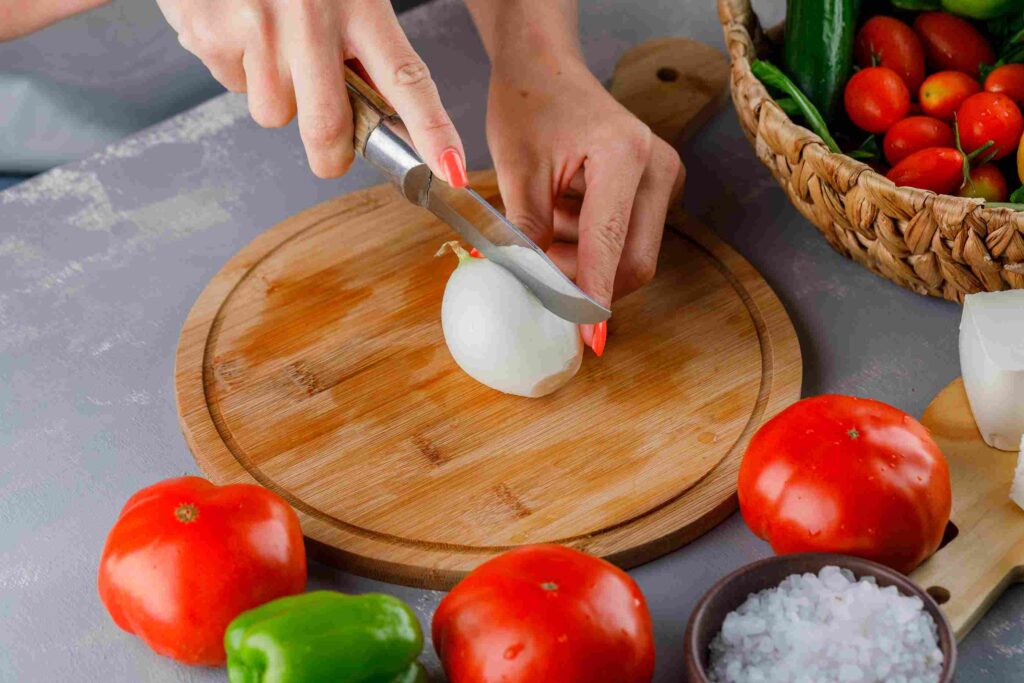
Place the tomatoes, garlic, and onion in a saucepan with enough water to cover them. Bring the water to a gentle boil.
Cook until the tomatoes become soft and the garlic is tender. This usually takes around 8 to 10 minutes.
Remove the ingredients and allow them to cool slightly before blending.
Step 4: Blend All the Ingredients
Place the toasted peppers, cooked tomatoes, garlic, and onion in a blender.
Add a small amount of the cooking water and blend until the mixture becomes smooth. If you prefer a thicker consistency, use less water.
Taste the sauce and add salt according to your preference.
Step 5: Adjust the Flavor and Consistency
Check the salsa before serving. If it is too thick, add a little more water. If it tastes too spicy, blend in another cooked tomato.
You can also add a small amount of lime juice for extra freshness.
Step 6: Serve Your Homemade Salsa
Transfer the finished sauce into a clean serving bowl. Let it cool slightly before serving.
Your homemade salsa is now ready to enjoy with tacos, grilled chicken, pozole, or your favorite Mexican dishes.
Salsa de Aceite vs. Traditional Chile de Arbol Salsa
Salsa de aceite is another popular Mexican-style sauce that uses dried peppers and oil as important ingredients.
Although both sauces can contain chile de arbol, their textures and preparation methods are different.
Traditional tomato-based salsa usually contains cooked tomatoes, garlic, peppers, and seasonings. It often has a smoother consistency and a balanced combination of spicy, tangy, and savory flavors.
In comparison, salsa de aceite typically uses oil as its main base. Dried peppers are lightly fried in oil and blended or processed with garlic, salt, and other ingredients. Some versions also include peanuts or seeds.
The oil creates a richer texture and helps carry the flavor of the peppers throughout the sauce.
Both versions are delicious. Tomato-based salsa works especially well with everyday Mexican meals, while oil-based salsa is excellent with tacos, grilled meats, and quesadillas.

How to Make Salsa de Chile de Arbol para Pozole
Pozole is one of Mexico’s most beloved traditional dishes. This hearty soup is commonly prepared with hominy, meat, broth, and flavorful seasonings.
Many people enjoy adding a spicy sauce to their bowl of pozole. Salsa de chile de arbol para pozole is an excellent option because its heat and pepper flavor complement the rich broth.
To prepare a simple version, you need:
- 10 dried chile de arbol peppers
- 2 tomatoes
- 2 garlic cloves
- A small piece of white onion
- Salt to taste
- Water as needed
- A little lime juice
Toast the peppers briefly in a skillet. Meanwhile, boil the tomatoes, garlic, and onion until tender.
Transfer everything to a blender, add a little water, and blend until smooth. Season with salt and lime juice.
Serve the sauce in a small bowl alongside pozole. Everyone can add the amount they prefer to their own serving.
For a stronger flavor, you can increase the number of peppers. However, start with a smaller quantity if you are unsure about your preferred heat level.

Puya Salsa: A Delicious Alternative to Chile de Arbol
Puya salsa is another interesting option for people who enjoy Mexican dried chili peppers.
Puya peppers are generally larger than chile de arbol peppers. They have a fruity, slightly earthy flavor with noticeable heat.
Although both peppers can be used in homemade Mexican sauces, they create different results.
Chile de arbol is particularly useful when you want a sharp, spicy sauce with a recognizable chili flavor. Puya peppers provide a deeper, fruitier taste.
You can also combine both peppers to create a more complex salsa. For example, use a few puya peppers with chile de arbol to balance heat and flavor.
When preparing a mixed pepper salsa, taste the sauce before adding more seasoning. Different dried peppers can vary in heat and intensity.

7 Best Tips for Making Authentic Mexican Salsa
A few small cooking adjustments can make a big difference in the final result. Here are seven helpful tips for preparing a delicious homemade sauce.
1. Choose Good-Quality Dried Peppers
Look for dried peppers with a natural red color and flexible texture. Avoid peppers that look excessively dusty, damaged, or moldy.
2. Never Burn the Peppers
Toasting helps develop flavor, but overheating can create bitterness. Keep the heat moderate and remove the peppers quickly.
3. Balance the Spice Level
Chile de arbol peppers are hot. Start with fewer peppers and gradually increase the quantity until you reach your preferred heat level.
4. Use Fresh Garlic
Fresh garlic provides a stronger and more pleasant aroma than old or dried garlic powder. It also complements the smoky flavor of the peppers.
5. Adjust the Consistency
Some people prefer a thin sauce, while others enjoy a thick consistency. Add water gradually until you achieve the texture you like.
6. Taste Before Serving
Always taste your salsa before serving. Adjust the salt, lime juice, and seasoning to create a balanced flavor.
7. Allow the Flavors to Develop
Let the finished sauce cool slightly before serving. This gives the ingredients time to come together and makes it easier to judge the final flavor.
What to Serve with Chile de Arbol Salsa
One of the best things about homemade Mexican salsa is its versatility. You can serve it with many traditional dishes or use it to add extra flavor to simple meals.
Here are some delicious serving ideas:
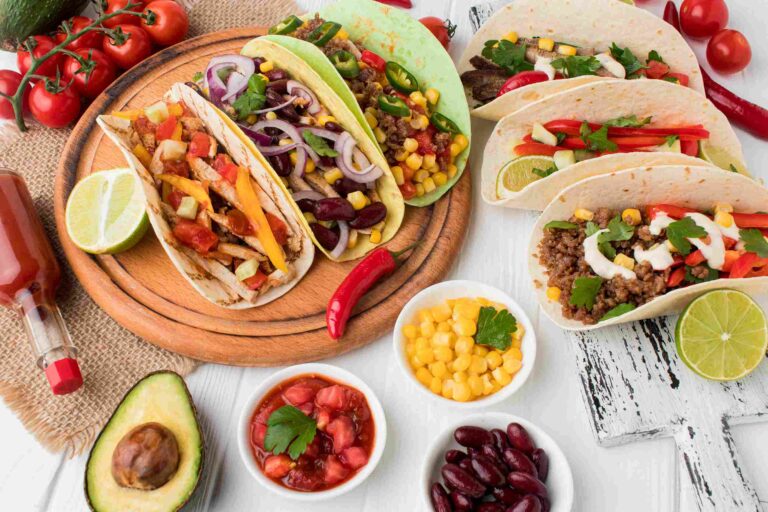
- Tacos: Add a spoonful to carne asada, chicken, or pork tacos.
- Pozole: Serve it alongside a warm bowl of traditional Mexican pozole.
- Quesadillas: Drizzle a little salsa over melted cheese and tortillas.
- Grilled Chicken: Use it as a spicy topping for grilled chicken.
- Tostadas: Spread it over crispy tostadas with beans and your favorite toppings.
- Eggs: Add a small amount to scrambled or fried eggs.
- Grilled Vegetables: Serve it with grilled onions, peppers, and zucchini.
Because the sauce has a strong flavor, you usually only need a small amount to improve your meal.

How to Store Homemade Chile de Arbol Salsa
Proper storage helps maintain the flavor and quality of homemade salsa.
Allow the sauce to cool before transferring it into a clean, airtight container. Place it in the refrigerator promptly rather than leaving it at room temperature for extended periods.
For the best quality, use refrigerated homemade salsa within 3 to 4 days. This is a conservative storage guideline, especially for homemade preparations without commercial preservation methods.
Always use a clean spoon when serving the sauce. Avoid returning leftover salsa from a serving bowl to the storage container.
You can also freeze tomato-based salsa in a freezer-safe container. Leave a little space at the top because liquids expand when frozen.

After thawing, stir the salsa well because its texture may change slightly.
Common Mistakes to Avoid
Even a simple recipe can become disappointing if a few important details are overlooked.
Here are some common mistakes to avoid:
- Burning the peppers: Overtoasting creates a bitter taste.
- Using too many peppers: Excessive heat can overpower the other ingredients.
- Adding too much water: This can make the sauce unnecessarily thin.
- Skipping the seasoning: Salt and lime help balance the overall flavor.
- Using poor-quality ingredients: Old peppers and stale garlic can affect the final result.
- Storing salsa incorrectly: Always refrigerate homemade salsa in a clean, airtight container.
Paying attention to these details will help you prepare a more flavorful and enjoyable Mexican sauce.
Frequently Asked Questions (FAQs)
1. Is salsa con chile de arbol very spicy?
Yes, this salsa can be quite spicy because chile de arbol peppers have significant heat. You can make it milder by using fewer peppers and adding more cooked tomatoes.
2. What ingredients are in chile de arbol salsa?
Common ingredients include dried chile de arbol peppers, tomatoes, garlic, onion, salt, and water. Some recipes also include oil, vinegar, or lime juice.
3. Can I make chile de arbol salsa with oil?
Yes. You can prepare an oil-based version by lightly frying dried peppers in oil and blending them with garlic and seasonings. Be careful because hot oil and dried peppers can splatter.
4. Is chile de arbol salsa good for pozole?
Absolutely. Its spicy and slightly smoky flavor pairs well with pozole. Serve it separately so everyone can control the amount of heat in their bowl.
5. Can I substitute puya peppers for chile de arbol?
Yes. Puya peppers can be used as an alternative, although they have a different flavor and heat level. You may need to adjust the quantity according to your taste.
6. How long does homemade chile de arbol salsa last?
For best quality, keep it refrigerated in an airtight container and use it within 3 to 4 days. Always check its appearance and smell before serving.
7. Can I make this salsa less spicy?
Yes. Reduce the number of chile de arbol peppers, remove some seeds, and add more cooked tomatoes. This creates a milder sauce while maintaining its delicious flavor.
Conclusion
Homemade salsa is a wonderful way to bring authentic Mexican flavors into your kitchen. With dried chile de arbol peppers, fresh tomatoes, garlic, and simple seasonings, you can prepare a delicious sauce without complicated cooking techniques.
Whether you enjoy it with tacos, grilled chicken, quesadillas, or pozole, this spicy Mexican favorite can make everyday meals more exciting.
Try different ingredients, adjust the heat according to your preference, and experiment with oil-based or puya pepper variations. Once you discover your favorite combination, this traditional Mexican sauce may become a regular part of your homemade meals.



One Comment