Paleta: 9 Best Mexican Popsicles, Authentic Flavors & Easy Tips
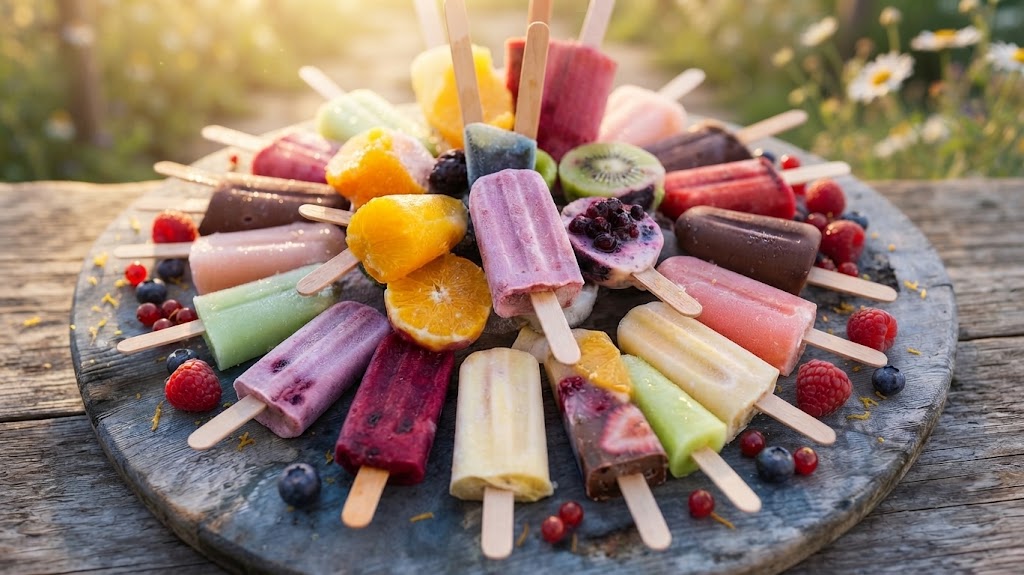
When I think about refreshing Mexican desserts, one of the first treats that comes to mind is a paleta. These colorful frozen treats are simple, refreshing, and full of the bold flavors that make Mexican food so enjoyable. Some are made with fresh fruit and water, while others use milk or cream for a smooth and rich texture.
What makes Mexican popsicles especially interesting is their variety. You can find familiar flavors such as strawberry and mango, but you can also discover combinations featuring lime, tamarind, chili, chamoy, coconut, and other ingredients. Every flavor offers a slightly different experience.
Whether you are exploring Mexican food culture, looking for a refreshing summer dessert, or want to make something at home, understanding these frozen treats is a great place to start.
What Is a Paleta?
A paleta is a traditional Mexican frozen dessert served on a stick. It is similar to a popsicle, but traditional Mexican versions often stand out because of their use of fresh fruit, natural flavors, creamy ingredients, and combinations of sweet, sour, salty, and spicy tastes.
There are two broad styles. Fruit-based varieties are usually prepared with water, fresh fruit, fruit juice, and a sweetener. Creamy versions can contain milk, cream, condensed milk, or other dairy ingredients. Some varieties also contain pieces of fresh fruit, creating an appealing texture as you eat them.
Unlike many ordinary frozen treats that focus mainly on sweetness, Mexican popsicles can have much more complex flavors. Mango with lime and chili, for example, can combine sweetness, acidity, and gentle heat in every bite.
Another interesting feature is presentation. Bright fruits naturally create beautiful colors, while creamy varieties can have soft, rich tones. This combination of flavor and appearance has helped Mexican frozen desserts become popular far beyond Mexico.
The Fascinating History of Mexican Paletas
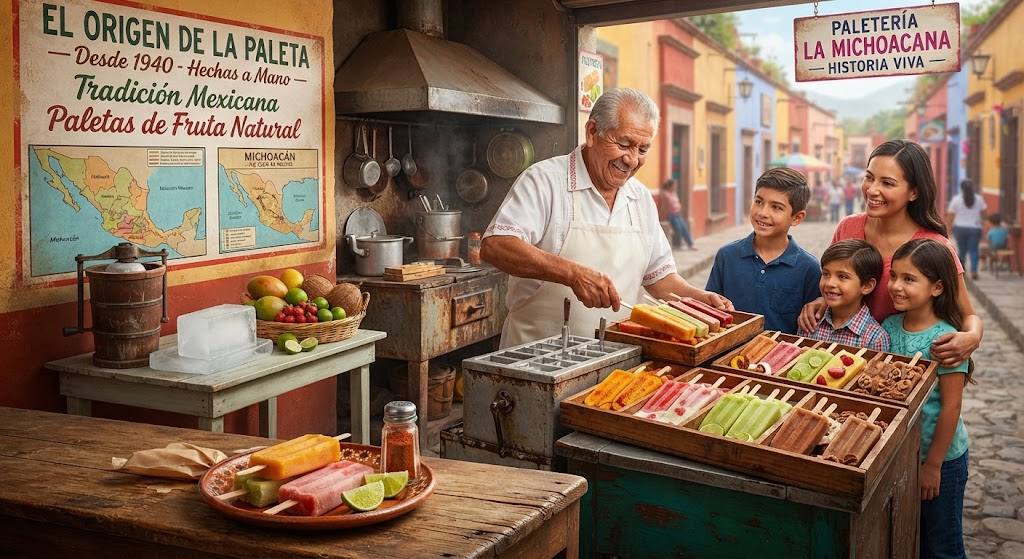
The story of these frozen treats is closely connected to Mexico’s paleterías, small shops and businesses that specialize in frozen desserts. These shops helped make fruit-based and creamy frozen treats accessible to local communities.
Fresh and seasonal produce has always played an important role in Mexican cooking. Paleterías could use fruits that were readily available in different regions, turning them into refreshing desserts. This approach also created an impressive range of flavors.
Over time, paleterías became known for offering much more than a few standard options. Customers could find combinations based on mango, pineapple, watermelon, strawberry, coconut, lime, tamarind, and other ingredients.
The popularity of these desserts eventually spread internationally. Mexican restaurants, markets, specialty dessert shops, and modern ice cream businesses in the United States and other countries now offer Mexican-inspired frozen treats.
This growth has not removed their traditional character. In many places, the appeal still comes from the same basic idea: use flavorful ingredients and create a refreshing dessert that feels connected to Mexican food culture.
9 Popular Types and Flavors to Try
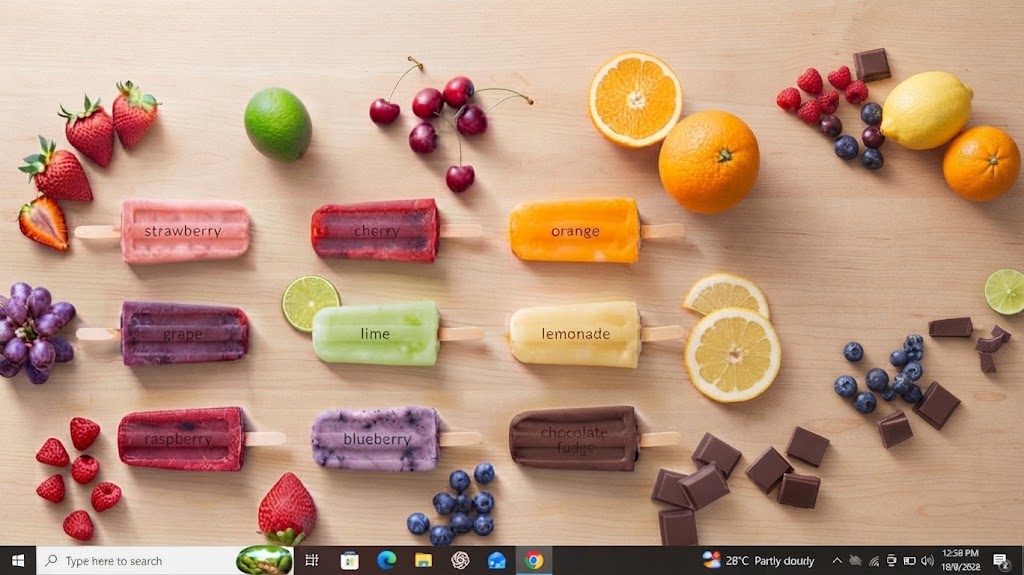
One reason these frozen desserts remain so popular is the huge range of flavors. Here are nine options worth trying.
1. Mango
Mango is one of the most recognizable fruit flavors. Ripe mango provides natural sweetness and a soft tropical taste. Lime juice can brighten the flavor, while chili can add a mild spicy finish.
2. Strawberry
Strawberry varieties are refreshing and naturally sweet. They can be made with blended strawberries or small pieces of fruit. A creamy strawberry version is also delicious for anyone who prefers a richer dessert.
3. Watermelon
Watermelon creates an exceptionally refreshing frozen treat, especially during hot weather. Its high water content gives the dessert a light texture and clean fruit flavor.
4. Pineapple
Pineapple offers a naturally sweet and tangy taste. It works particularly well with lime and chili because the acidity balances the sweetness of the fruit.
5. Lime
Lime-based versions are bright, citrusy, and refreshing. They are an excellent choice when you want something less heavy than a dairy-based dessert.
6. Coconut
Coconut can be used in both water-based and creamy preparations. A coconut version made with milk or cream has a smooth texture and gentle tropical flavor.
7. Tamarind
Tamarind is especially interesting for people who enjoy sweet-and-sour flavors. Its distinctive tanginess makes it a memorable Mexican dessert ingredient.
8. Chocolate
Chocolate versions provide a richer alternative to fruit flavors. They may be prepared with milk or cream and are ideal for people who prefer a dessert with a deeper flavor.
9. Paleta Payaso
Paleta payaso is a playful Mexican candy-style frozen treat known for its colorful appearance and fun presentation. The name refers to a clown, and the design is part of what makes this product recognizable.
Its popularity also shows how Mexican sweets can combine visual appeal with familiar flavors. It is particularly associated with childhood memories for many Mexican consumers.
Authentic Mexican Ingredients Used in Paletas
The ingredients used in traditional recipes are usually straightforward, but the quality and combination of those ingredients make a major difference.
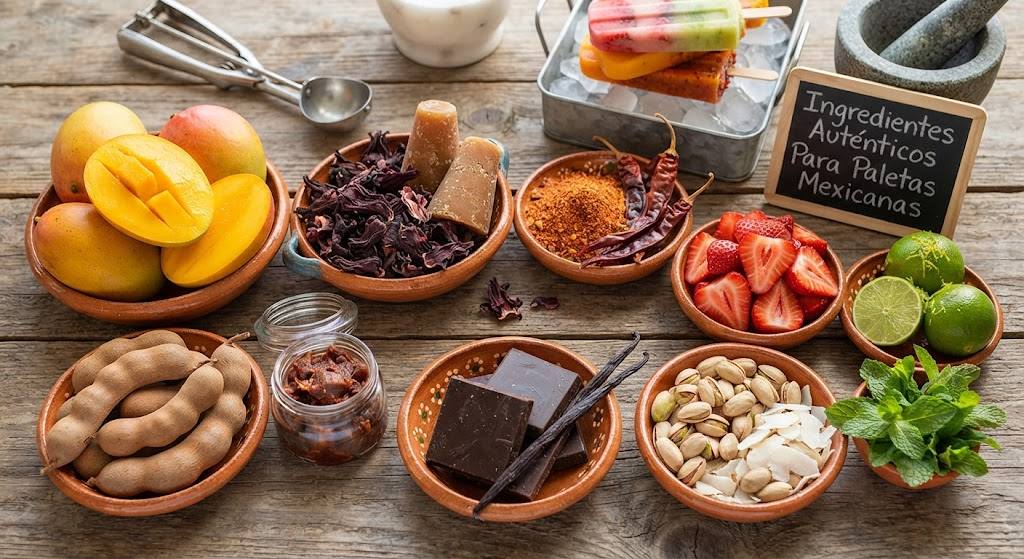
Fresh seasonal fruit is one of the most important ingredients. Mangoes, strawberries, pineapples, watermelons, and other fruits can provide both flavor and natural color.
Lime is another important ingredient because it adds acidity and freshness. Even a small amount can make a sweet fruit mixture taste brighter.
Sugar may be used to adjust sweetness, particularly when the fruit itself is not very ripe. Water is commonly used in fruit-based recipes, while milk and cream are important for creamy versions.
Mexican ingredients such as tamarind, chili, and chamoy can create the sweet, sour, and spicy combinations associated with many Mexican snacks and desserts. These additions are optional, but they can completely change the flavor profile.
When making frozen treats at home, I recommend tasting the mixture before freezing it. Cold temperatures can make flavors seem less intense, so the mixture should taste flavorful before it goes into the freezer.
What Makes Mexican Popsicles So Special?
Mexican popsicles are special because they do not depend on one flavor profile. Instead, they can combine several sensations in a single dessert.
A traditional fruit flavor might be sweet and refreshing. Adding lime creates acidity, while chili introduces gentle heat. Chamoy can contribute sweet, sour, salty, and spicy notes.
Texture also matters. Some versions are completely smooth, while others contain pieces of fruit. Cream-based options are softer and richer, giving people a completely different experience.
Another important factor is freshness. Using ripe fruit can provide a much stronger flavor than relying only on artificial flavoring. This makes simple ingredients surprisingly effective.
For me, that balance is one of the best reasons to explore Mexican frozen desserts. They are familiar enough to enjoy immediately, but unusual combinations can make them much more exciting than an ordinary frozen snack.
Paleta de Colores and the Colorful Mexican Dessert Experience
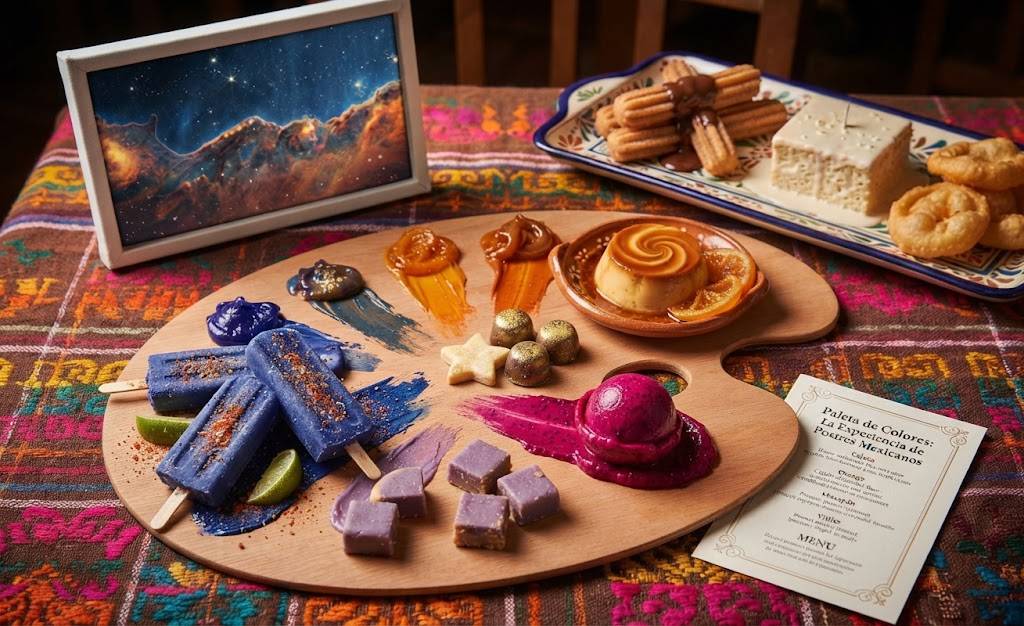
The phrase paleta de colores literally refers to a color palette, but it can also be relevant when discussing the visual variety of Mexican desserts.
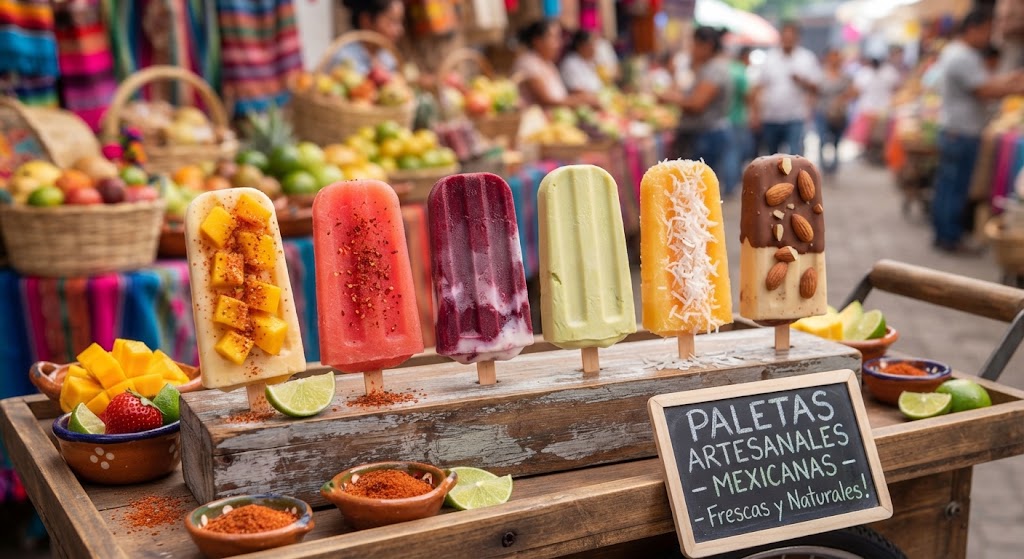
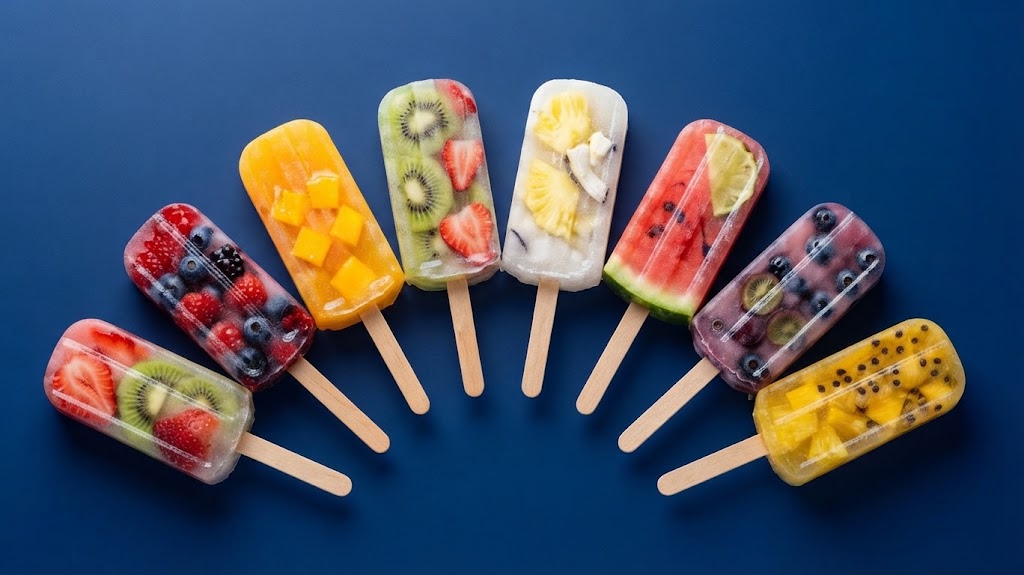
Fresh fruits naturally bring strong colors to frozen treats. Strawberry can provide red tones, mango creates yellow or orange shades, and watermelon can produce beautiful pink and red colors.
Creamy varieties can have completely different appearances. Coconut, vanilla, chocolate, and other ingredients create softer or darker shades.
This colorful presentation is more than decoration. People often choose food with their eyes first, and bright frozen desserts naturally attract attention. That makes these treats popular with children, families, tourists, and anyone looking for an Instagram-friendly dessert.
Paletas Ice Cream vs. Fruit Paletas
Although paletas ice cream and fruit-based varieties can look similar, their ingredients and textures are different.
Fruit versions generally have a lighter and more refreshing character. They may use fruit, water, juice, and sugar, making them a good choice for warm weather.
Creamy varieties use ingredients such as milk or cream. They tend to be smoother, richer, and more filling.
Neither style is necessarily better. The choice depends on your preference. If you enjoy bright fruit flavors, a water-based option may be ideal. If you prefer rich desserts, a creamy version may be more satisfying.
How to Make an Easy Mexican Paleta at Home
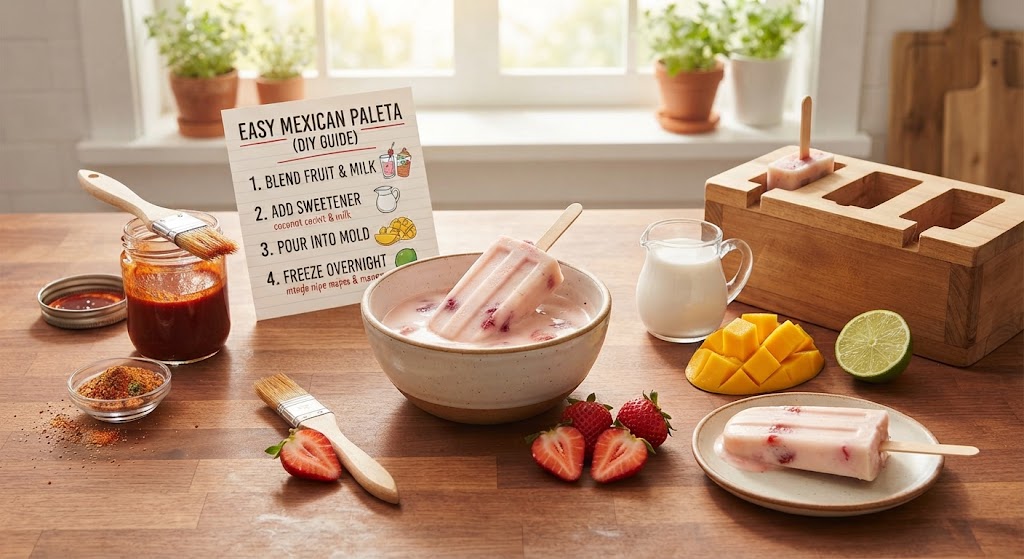
Making a paleta at home is easier than many people expect. You do not need complicated equipment or unusual ingredients.
Step 1: Choose Your Fruit
Start with ripe fruit because naturally sweet and flavorful fruit creates a better final result. Mango, strawberries, pineapple, watermelon, and berries are all good choices.
Step 2: Prepare the Fruit
Wash the fruit thoroughly and remove any seeds, stems, skins, or tough pieces. Cut larger fruits into smaller pieces.
Step 3: Blend or Keep Pieces
You can blend the fruit with water or juice for a smooth texture. Alternatively, leave some small fruit pieces intact if you enjoy a more natural texture.
Step 4: Add Flavor
Taste the mixture and adjust it with lime juice or a small amount of sugar if needed. For a more traditional spicy flavor, you can add chili or serve the frozen dessert with chili and chamoy after freezing.
Step 5: Fill the Molds
Pour the mixture into popsicle molds, leaving a little room at the top. Insert the sticks according to the instructions for your molds.
Step 6: Freeze
Place the molds in the freezer until completely firm. Depending on the size of the molds and the temperature of your freezer, this can take several hours.
Step 7: Serve
Run the outside of the mold briefly under cool or slightly warm water if necessary. Gently remove the frozen treat and serve immediately.
The best part of making them at home is experimentation. You can adjust the sweetness, acidity, fruit pieces, and spice level according to your taste.
Modern Paleta Trends and Related Searches
As Mexican frozen desserts have become more popular internationally, people now search for them in many different contexts.
Searches such as Sergio Graco Santaella paleta and Elsa Valeria Santaella paleta may refer to specific people, creative work, brands, or other context-dependent results. Because these phrases can have different meanings, they should always be checked against the specific source before making factual claims.
Likewise, Morelia Ice Cream Paletas Upper East Side reflects the growing interest in Mexican-style frozen desserts in major American cities. Specialty shops have helped introduce traditional flavors to new audiences.
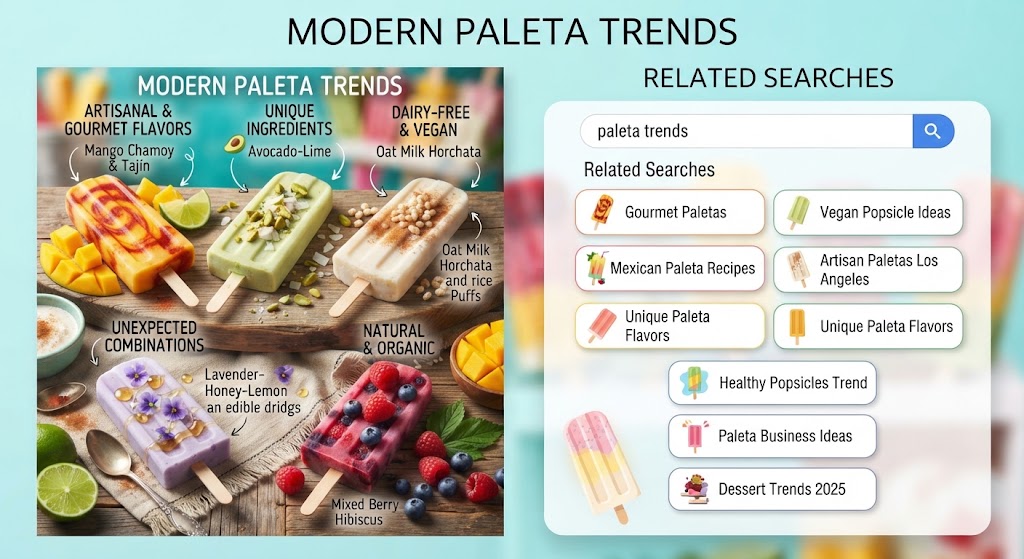
The phrase paleta shot can also appear in modern food and drink searches. Unlike the traditional frozen dessert, this term may describe a creative drink or presentation inspired by a frozen treat, so its meaning depends on the specific menu or recipe.
These modern searches show how Mexican food traditions continue to evolve while reaching new audiences.
Best Tips for Choosing or Making Paletas
If you want the best flavor, start with quality ingredients. Ripe fruit should be your first choice because it provides stronger natural sweetness.
Do not add too much sugar before tasting the mixture. Some fruits are naturally sweet enough on their own.
Lime can help balance sweetness, but too much can make the mixture overly sour. The same principle applies to chili and chamoy. Start with a small amount and increase it according to your preference.
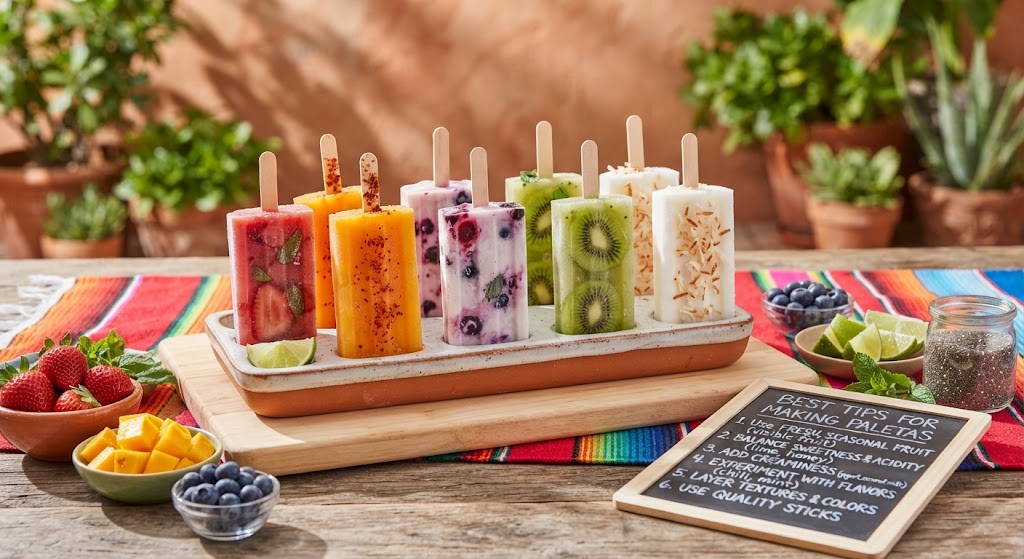
For creamy varieties, use fresh dairy ingredients and allow enough freezing time for the dessert to become firm.
Finally, do not be afraid to experiment. Combining mango with lime, pineapple with chili, or strawberry with cream can create delicious results without requiring a complicated recipe.
Frequently Asked Questions About Mexican Paletas
What is a paleta?
A paleta is a Mexican frozen dessert served on a stick. It can be fruit-based, creamy, or flavored with ingredients such as lime, chili, tamarind, or coconut.
What is a paleta payaso?
Paleta payaso is a playful Mexican candy-style treat associated with a clown-like design and colorful presentation.
Are Mexican popsicles made with real fruit?
Many traditional Mexican popsicles are made with fresh fruit or fruit juice. The exact ingredients vary by recipe, shop, and flavor.
What flavors are popular in Mexico?
Mango, strawberry, watermelon, pineapple, lime, coconut, tamarind, and creamy flavors are among the many options people enjoy.
What Mexican ingredients are commonly used?
Common ingredients include fresh fruit, lime, sugar, milk, cream, tamarind, chili, and chamoy.
Can I make them at home?
Yes. A simple fruit mixture, popsicle molds, sticks, and a freezer are enough to make an easy homemade version.
Final Thoughts
Mexican frozen desserts offer much more variety than a typical popsicle. From fresh mango and strawberry to creamy coconut and bold tamarind, there is a flavor for almost every preference.
What makes them memorable is the combination of fresh ingredients, colorful presentation, and unexpected flavor pairings. Sweet fruit can be balanced with lime, chili, or chamoy, creating a dessert that feels both refreshing and distinctly Mexican.
Whether you discover one at a traditional paletería or make your own at home, trying different flavors is one of the easiest ways to enjoy a small but delicious part of Mexican food culture.