

Poblano Sauce: 9 Best Creamy Mexican Sauce Recipes and Easy Tips
If you love Mexican food, a flavorful homemade sauce can make an ordinary meal taste special. Poblano sauce is a delicious option because it combines the smoky flavor of roasted poblano peppers with creamy ingredients, garlic, onion, and fresh herbs. Depending on the recipe, it can be mild, rich, tangy, or slightly spicy.
One of the best things about poblano sauce is its versatility. You can serve it with grilled chicken, tacos, enchiladas, roasted vegetables, rice, and many other dishes. You can also adjust its texture and flavor to suit your preferences.
Making this sauce at home is easier than you might think. With a few fresh ingredients and a blender, you can prepare a smooth, flavorful sauce without complicated cooking techniques.
In this guide, you will learn how to make poblano sauce, which ingredients work best, how to roast the peppers, and how to serve and store your homemade sauce. You will also discover variations, including poblano cream sauce and roasted poblano sauce, to help you find your favorite version.
What Is Poblano Sauce?
Poblano sauce is a Mexican-inspired sauce made primarily with poblano peppers. These large, dark green peppers have a mild heat level and a distinctive earthy flavor. Roasting them brings out their natural sweetness and creates a pleasant smoky taste.
Many recipes combine roasted poblano peppers with onion, garlic, cream, milk, or Mexican crema. Some versions include cheese, cilantro, lime juice, or chicken broth. The exact ingredients depend on the desired flavor and consistency.
Unlike a very spicy hot sauce, traditional creamy poblano sauce is often smooth, rich, and relatively mild. However, the heat can vary depending on the peppers used.
You can prepare poblano sauce as a creamy topping, a blended green sauce, or a thinner sauce for pouring over your favorite meals. It is a practical way to add Mexican-inspired flavor to everyday cooking.

Why You Will Love This Poblano Sauce Recipe
There are several reasons to try this homemade recipe.
Easy preparation: You only need a handful of common ingredients and a blender.
Smoky flavor: Roasted poblano peppers provide a rich, earthy taste without requiring many spices.
Creamy texture: Cream, Mexican crema, or sour cream can create a smooth and satisfying consistency.
Versatile serving options: The sauce works with chicken, tacos, enchiladas, vegetables, and rice.
Adjustable ingredients: You can make it dairy-free, add extra herbs, or increase the heat to match your preferences.
Make-ahead convenience: Preparing the sauce in advance can make weeknight meals quicker and easier.
Once you learn the basic recipe, you can experiment with different ingredients to create a version that suits your kitchen.
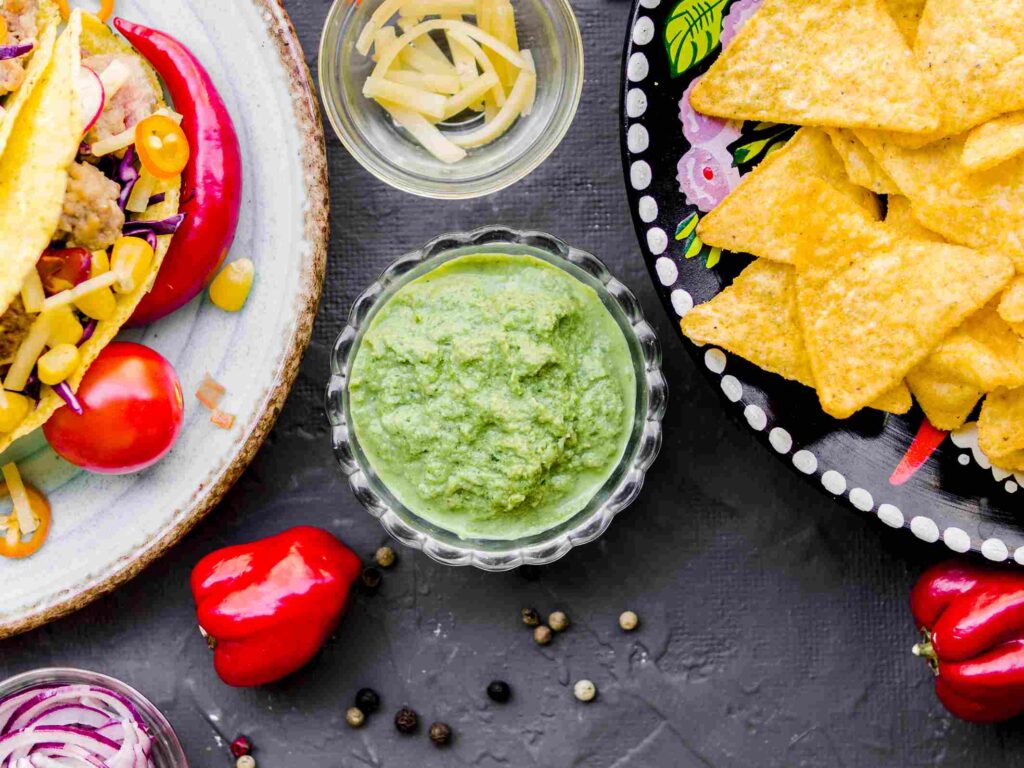
Ingredients for Homemade Poblano Sauce
The ingredients below make a flavorful, creamy sauce. Quantities can be adjusted depending on how thick or rich you want it to be.
Main Ingredients
- 3 large poblano peppers: These provide the sauce’s signature earthy flavor.
- 1 tablespoon olive oil: Helps roast the peppers and sauté the onion.
- 1 small onion: Adds sweetness and depth.
- 2 garlic cloves: Provide a savory aroma.
- 1/2 cup Mexican crema or sour cream: Creates a creamy consistency.
- 1/4 cup milk or vegetable broth: Helps adjust the thickness.
- 1 tablespoon fresh lime juice: Adds brightness and balances the creamy ingredients.
- 2 tablespoons chopped cilantro: Gives the sauce a fresh herbal flavor.
- Salt and black pepper: Enhance the overall taste.

Optional Ingredients
You can add a small amount of shredded Monterey Jack cheese for a richer sauce. A little ground cumin can provide warmth, while jalapeño adds extra heat.
For a lighter version, use plain Greek yogurt instead of some of the cream. For a dairy-free option, try unsweetened plant-based cream and vegetable broth.
The best recipe poblano variation is the one that balances smokiness, creaminess, and freshness without overpowering the main dish.
How to Make Poblano Sauce Step by Step
Preparing poblano sauce at home involves roasting, peeling, blending, and gently heating the ingredients. Follow these steps for a smooth and flavorful result.
Step 1: Roast the Poblano Peppers
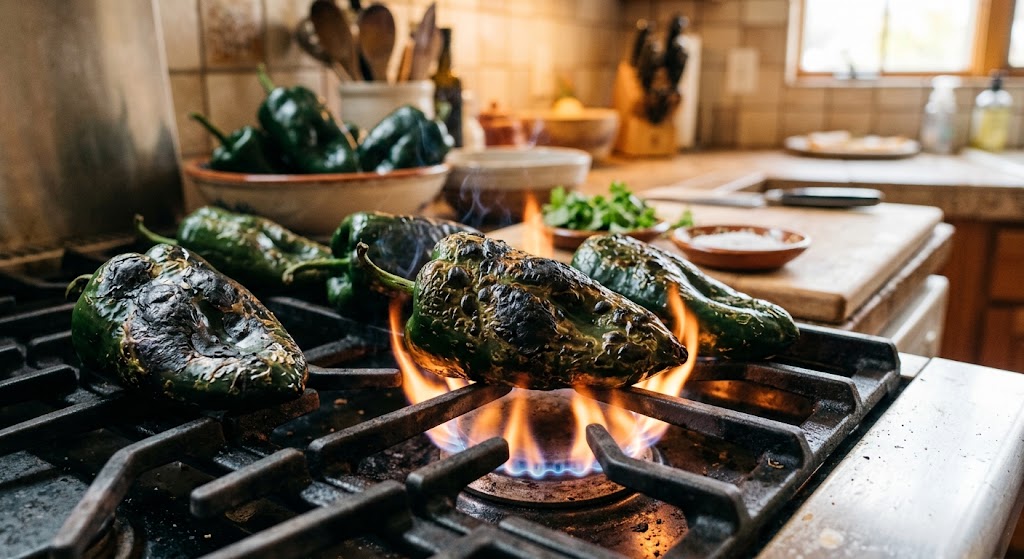
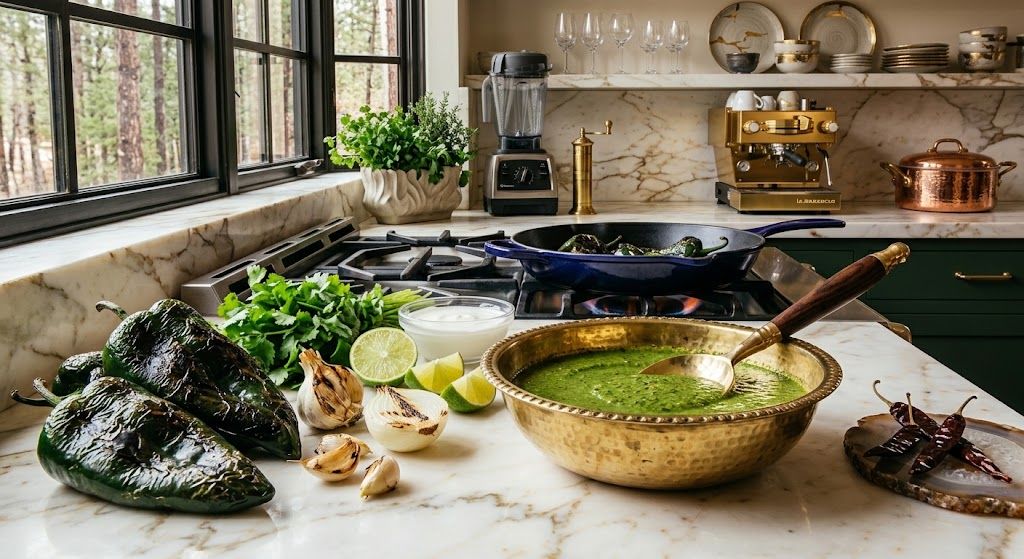
Wash and dry the poblano peppers. Place them on a baking sheet and roast them under a broiler, turning occasionally, until the skins are blistered and charred in several places.
You can also roast the peppers over a gas flame, turning them carefully with tongs.
Once the skins have blistered, transfer the peppers to a covered bowl for approximately 10 minutes. The trapped steam makes peeling easier.
Step 2: Peel and Prepare the Peppers
Allow the peppers to cool enough to handle safely. Remove the loose outer skins, stems, and seeds.
Avoid rinsing the peppers under running water unless necessary because excessive rinsing can wash away some of their smoky flavor.
If you prefer a spicier sauce, you can leave a few seeds or add a small amount of jalapeño. Remember that the heat level varies from pepper to pepper.
Step 3: Cook the Onion and Garlic
Heat the olive oil in a skillet over medium heat. Add the chopped onion and cook until it becomes soft and translucent.
Add the minced garlic and cook for another 30 seconds, stirring frequently to prevent burning.
This step develops the savory foundation of your poblano sauce and helps the ingredients blend together more evenly.
Step 4: Blend the Ingredients
Place the roasted peppers, cooked onion, garlic, Mexican crema, milk or broth, cilantro, and lime juice in a blender.
Blend until the mixture becomes smooth. If the sauce is too thick, add a small amount of extra milk or broth.
Taste the mixture and season with salt and black pepper.
For a thicker sauce, use less liquid. For a thinner consistency suitable for drizzling, add liquid gradually until you achieve the texture you prefer.
Step 5: Heat the Sauce Gently
Pour the blended mixture into a saucepan and heat it over low heat for several minutes, stirring regularly.
Avoid boiling the sauce vigorously, especially if you are using dairy products, because excessive heat may cause separation or a grainy texture.
Taste again and adjust the seasoning. Add extra lime juice for brightness or a little more crema for richness.
Your homemade poblano sauce is now ready to serve.
9 Best Creamy Poblano Sauce Variations to Try
One of the most useful things about this recipe is how easily you can change its ingredients. Here are nine delicious variations to consider.
1. Classic Creamy Poblano Sauce
The classic version combines roasted peppers, garlic, onion, and Mexican crema. Its smooth texture and mild smoky flavor make it an excellent everyday sauce.
Serve it over chicken, rice, or roasted vegetables for a simple meal with Mexican-inspired flavor.

2. Roasted Poblano Sauce
Roasted poblano sauce focuses on the flavor of the peppers. Roast them until their skins blister, then blend them with garlic, onion, cilantro, and vegetable broth.
This variation is ideal if you enjoy a stronger smoky flavor without making the sauce too rich.
3. Cheesy Poblano Cream Sauce
For a richer option, add shredded Monterey Jack cheese or another good melting cheese.
Stir the cheese into the warm sauce over low heat until melted. Avoid excessive heat to maintain a smooth texture.
This version pairs especially well with enchiladas, pasta, and baked chicken.

4. Poblano Salsa Verde
Poblano salsa is a related but different option. Instead of relying mainly on cream, this version can combine roasted poblanos with tomatillos, cilantro, onion, lime juice, and garlic.
The result is a brighter, tangier green sauce that works well with tacos, grilled meat, and tortilla chips.
Because recipes vary, remember that poblano salsa does not always have the same ingredients or consistency as creamy poblano sauce.
5. Spicy Green Poblano Sauce
If you enjoy extra heat, add a small jalapeño or serrano pepper before blending.
Taste the sauce gradually because hot peppers vary considerably in strength. You can also add a pinch of cayenne pepper for additional heat.
This version works well with grilled chicken, breakfast burritos, and tacos.
6. Dairy-Free Poblano Sauce
You do not need dairy to make a flavorful green sauce. Replace the cream with unsweetened cashew cream or another suitable plant-based alternative.
Use vegetable broth to adjust the consistency and add lime juice to balance the richness.
Check that your plant-based cream is unsweetened and suitable for savory dishes.
7. Cilantro-Lime Poblano Sauce
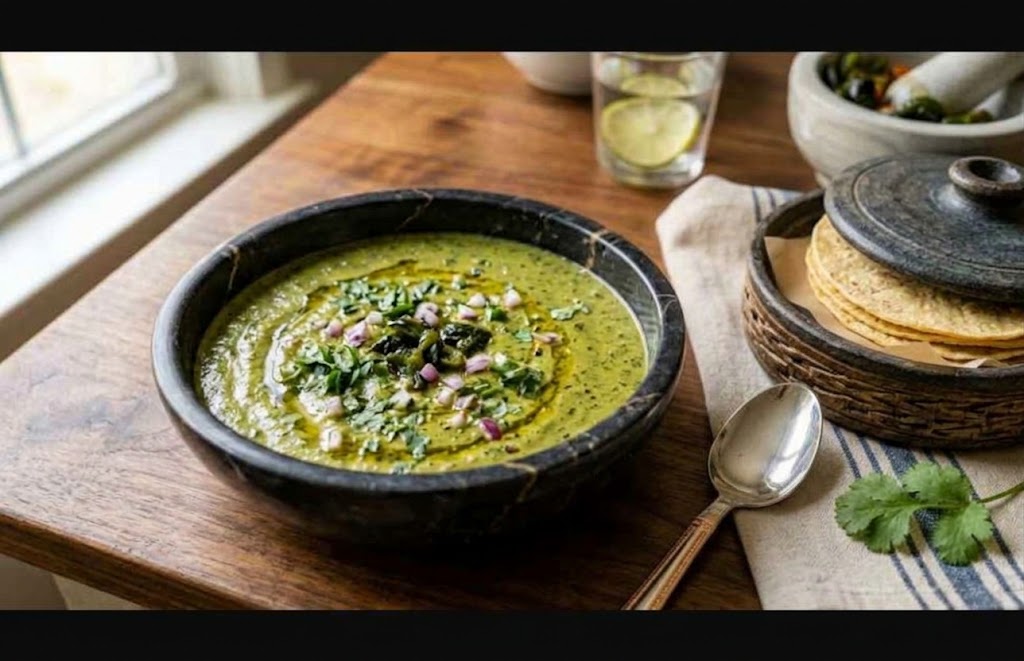
Add extra fresh cilantro and lime juice to create a fresher flavor.
This variation is especially useful for fish tacos, grilled shrimp, roasted vegetables, and rice bowls. Add the lime juice gradually so the sauce does not become too acidic.
8. Poblano Avocado Sauce
Blend half a ripe avocado into the cooled or slightly warm sauce for a thicker, creamy texture.
Avocado adds richness without requiring additional dairy. This version is best enjoyed fresh because avocado can darken over time.
Serve it with tacos, quesadillas, or grilled vegetables.
9. Light Poblano Sauce
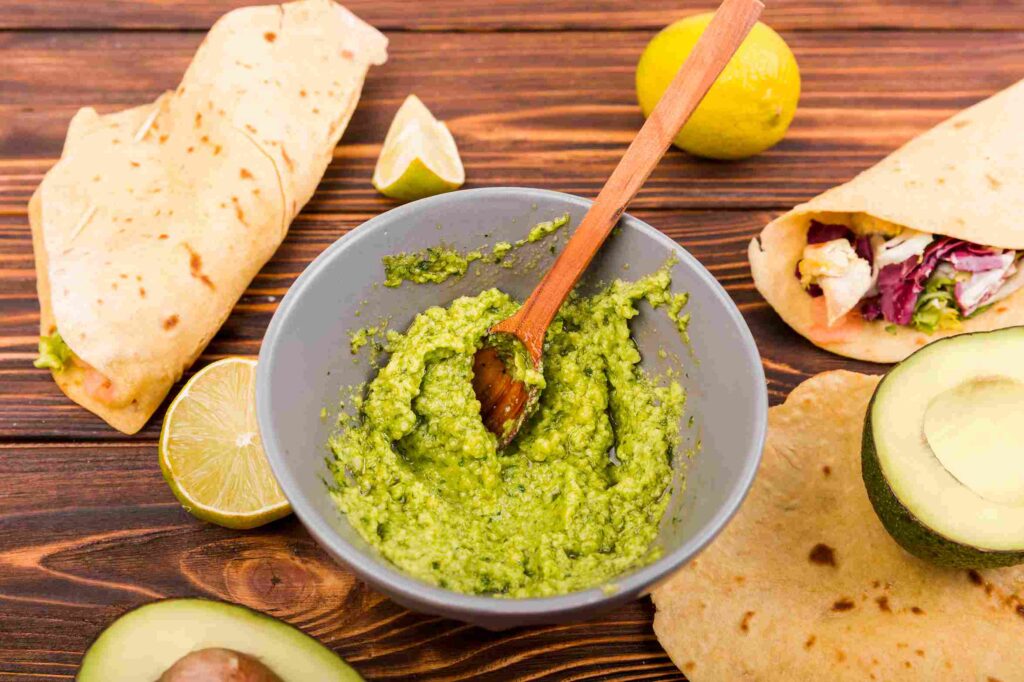
For a lighter version, reduce the amount of cream and use vegetable broth or milk to achieve the desired consistency.
You can also use plain Greek yogurt, adding it after the sauce has cooled slightly to reduce the risk of curdling.
This variation allows you to enjoy the flavor of roasted peppers without making the sauce as rich as the traditional creamy version.
What Do You Put Poblano Sauce On?
If you are wondering what do you put poblano sauce on, the answer is simple: it works with many savory foods.
Here are some of the best ways to serve it.
Chicken: Spoon the sauce over grilled, baked, or pan-seared chicken. It adds moisture and smoky flavor.
Enchiladas: Pour creamy poblano sauce over filled tortillas before baking, or spoon it over the finished dish.
Tacos: Use a small amount as a topping for chicken, fish, vegetables, or bean tacos.
Quesadillas: Serve the sauce alongside cheese quesadillas or drizzle it over the top.
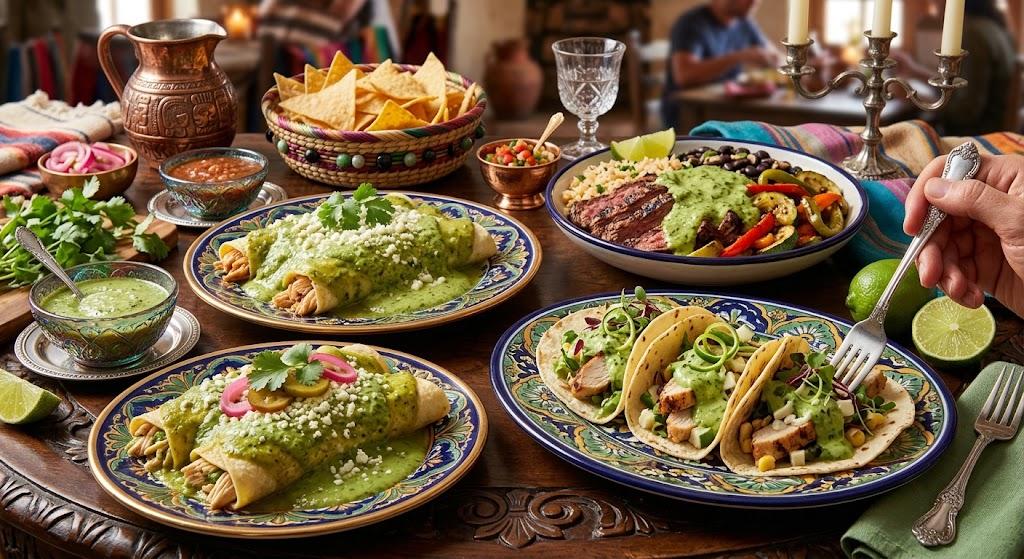
Rice bowls: Add it to bowls containing rice, black beans, corn, vegetables, and grilled protein.
Pasta: Toss the sauce with cooked pasta for a Mexican-inspired creamy meal.
Roasted vegetables: Drizzle it over cauliflower, potatoes, zucchini, or bell peppers.
Eggs: Add a spoonful to scrambled eggs, omelets, or breakfast burritos.
Start with a small serving and add more according to your taste. The sauce should complement the dish rather than overpower its other flavors.
Poblano Sauce vs. Mole Sauce: What Is the Difference?
Poblano sauce and mole are both associated with Mexican cuisine, but they are not the same thing.
A typical creamy poblano sauce emphasizes roasted green peppers, cream, garlic, and onion. Its flavor is usually fresh, smoky, and relatively simple.
Mole, on the other hand, refers to a family of Mexican sauces that can contain ingredients such as dried chiles, spices, seeds, nuts, tomatoes, and other flavorings. Some mole recipes include chocolate, while others do not.
The phrase dried poblanos used in mole sauce generally refers to dried chile varieties such as ancho peppers. An ancho is a dried poblano pepper, and it is commonly used in certain mole recipes.
Fresh green poblano peppers and dried ancho chiles offer different flavors and textures. Fresh poblanos are useful for creamy green sauces, while dried chiles contribute concentrated, fruity, earthy, or mildly smoky notes to sauces such as mole.
Although the two sauces can share a connection through poblano peppers, they serve different culinary purposes.

Tips for Making the Best Poblano Sauce
A few simple techniques can help you achieve a better result.
Roast the peppers properly: Blistered skins develop a deeper smoky flavor. Turn the peppers regularly so they roast evenly.
Remove the skins: Peeling the roasted peppers helps create a smoother sauce.
Blend thoroughly: Blend the ingredients until no large pieces remain. If you prefer an exceptionally smooth texture, strain the sauce.
Adjust the consistency slowly: Add milk or broth one tablespoon at a time rather than making the sauce too thin immediately.
Balance the flavor: Lime juice brightens the sauce, while salt brings out the peppers’ natural flavor.
Control the heat: Remove the seeds and membranes for a milder result, or add a little jalapeño if you prefer more spice.
Avoid overheating: If the sauce contains cream, heat it gently to help prevent separation.
Taste before serving: Every batch of peppers is slightly different, so adjust the seasoning at the end.
These small details can make a noticeable difference in the final flavor and texture.
How to Store and Reheat Poblano Sauce
Allow the sauce to cool before transferring it to a clean, airtight container. Refrigerate it promptly and use it within three to four days.
For the best quality, store the sauce separately from the food you plan to serve it with.
To reheat, place the sauce in a saucepan over low heat and stir gently. If it becomes too thick, add a small amount of milk or broth.
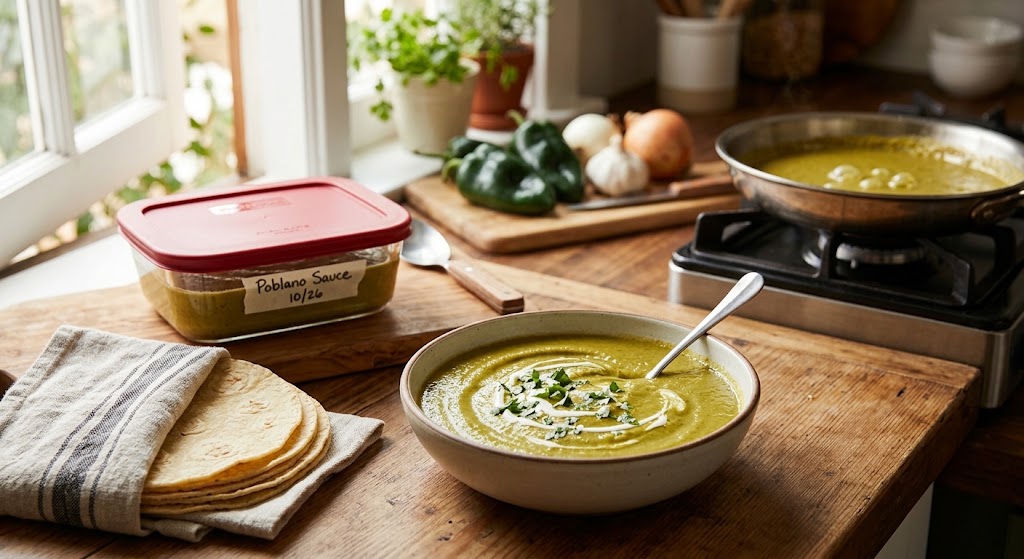
Avoid boiling creamy sauce because high heat can cause the dairy ingredients to separate.
You can freeze some versions of poblano sauce, but cream-based sauces may change texture after thawing. For better results, freeze a dairy-free pepper base and add the cream after thawing and reheating.
Always discard sauce that has been left at room temperature for more than two hours, or one hour when temperatures exceed 90°F (32°C).
Frequently Asked Questions
Is poblano sauce spicy?
Poblano sauce is generally mild to moderately spicy, depending on the peppers and additional ingredients. Removing the seeds and membranes can help reduce the heat, while adding jalapeños or serranos can make it spicier.
Can I make poblano sauce without cream?
Yes. Use vegetable broth, unsweetened cashew cream, or another plant-based alternative. The texture and flavor will differ slightly, but roasted poblano peppers still provide plenty of flavor.
Is poblano salsa the same as poblano sauce?
Not necessarily. Poblano salsa often contains tomatillos, cilantro, lime, and other fresh ingredients. Creamy poblano sauce usually includes cream or a similar ingredient, creating a richer texture.
What ingredients are essential for a basic poblano sauce?
Roasted poblano peppers are the main ingredient. Onion, garlic, salt, and a little liquid help create the base. Cream, cilantro, and lime juice are common additions, but the exact recipe can vary.
Can I use poblano sauce for pasta?
Yes. Creamy poblano sauce works well with many pasta shapes. Thin it with a little milk or reserved pasta water, then toss it with the cooked pasta. Cheese and sautéed vegetables are optional additions.
Can I make poblano sauce ahead of time?
Yes. Prepare the sauce in advance and refrigerate it in an airtight container. Gently reheat it before serving, adding a little liquid if necessary.
Conclusion
Poblano sauce is a versatile way to bring the smoky, earthy flavor of Mexican-inspired cooking into your kitchen. With roasted poblano peppers, garlic, onion, and a few simple ingredients, you can prepare a creamy sauce that complements a wide variety of meals.
Whether you choose classic creamy poblano sauce, roasted poblano sauce, a spicy green variation, or a dairy-free alternative, the basic method is easy to adapt. You can also experiment with poblano salsa when you want a fresher, tangier flavor.
Try this recipe with chicken, enchiladas, tacos, pasta, or roasted vegetables. Once you become comfortable with the basic technique, you can adjust the ingredients to create a homemade sauce that suits your taste and makes everyday meals more enjoyable.




One Comment