
Lasagna Recipe: 9 Best Tips for a Rich, Cheesy & Easy Homemade Dinner
A homemade lasagna is one of those comforting meals that brings everyone to the table. With tender pasta sheets, flavorful tomato meat sauce, creamy cheese, and a golden mozzarella topping, every bite offers a delicious combination of textures and flavors. The best part is that you do not need to be a professional chef to prepare it at home.
This lasagna recipe is perfect for family dinners, weekend meals, special occasions, or meal preparation for busy weekdays. You can make it with ground beef, your favorite tomato sauce, ricotta cheese, and mozzarella. Even if you are preparing lasagna for the first time, the steps are easy to follow.
In this guide, you will learn which ingredients to use, how to prepare a rich meat sauce, how to build perfect layers, and how long to bake everything. You will also discover practical tips for avoiding watery lasagna and creating a cheesy, satisfying dish your family will enjoy.
What Is Lasagna?
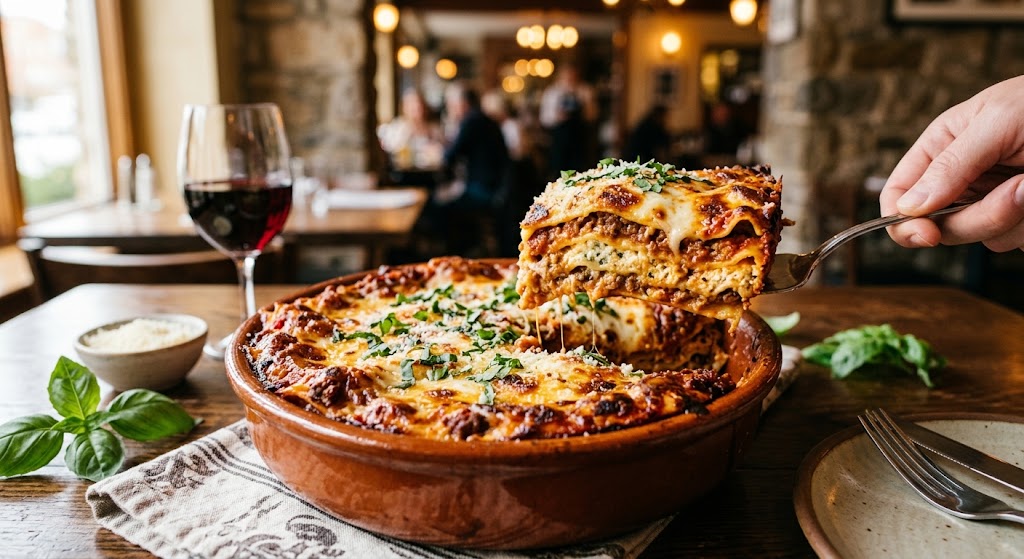
Lasagna is a traditional Italian dish made by layering wide, flat pasta sheets with sauce, cheese, and sometimes meat or vegetables. The assembled dish is baked until the pasta becomes tender and the cheese melts into a delicious, golden topping.
Traditional Italian versions vary by region. Some use a slow-cooked meat ragù and béchamel sauce, while many American-style recipes feature tomato meat sauce, ricotta, mozzarella, and Parmesan.
One reason lasagna remains popular is its versatility. You can prepare a classic beef version, a vegetarian option, or a creamy variation with additional cheese. It is also convenient because you can assemble it ahead of time and bake it when you are ready to serve dinner.

Lasagna Ingredients: Everything You Need
Choosing fresh, flavorful ingredients is the foundation of a delicious homemade meal. Before you begin, gather everything so the preparation process feels simple and organized.
Ingredients for the Pasta and Meat Sauce
For a family-sized baking dish serving approximately 6–8 people, you will need:
- 12 lasagna noodles, or enough to fit your baking dish
- 1 pound ground beef
- 1 medium onion, finely chopped
- 3 garlic cloves, minced
- 1 can (28 ounces) crushed tomatoes
- 2 tablespoons tomato paste
- 1 tablespoon olive oil
- 1 teaspoon Italian seasoning
- 1 teaspoon dried oregano
- Salt and black pepper, to taste
- A small pinch of red pepper flakes, optional

Ingredients for the Cheese Filling
- 15 ounces ricotta cheese
- 1 large egg
- ¼ cup grated Parmesan cheese
- 2½ cups shredded mozzarella cheese
- 2 tablespoons chopped fresh parsley, optional
These lasagna ingredients work together to create a balanced dish. The tomato sauce adds richness, the ground beef provides savory flavor, and the cheese creates a creamy filling.
For the best results, use freshly shredded mozzarella if possible. Pre-shredded cheese is convenient, but freshly shredded mozzarella often melts more smoothly.
How to Make a Simple Lasagna Recipe
Preparing homemade lasagna is easier when you divide the process into small steps. Make the sauce first, prepare the cheese filling, assemble the layers, and then bake.
Step 1: Prepare the Lasagna Noodles
Bring a large pot of salted water to a boil. Cook the lasagna noodles according to the package instructions if you are using regular noodles that require boiling.
Drain them carefully and arrange them on a clean tray so they do not stick together. Avoid overcooking because the noodles will continue cooking in the oven.
If you use oven-ready noodles, follow the package instructions instead. These noodles generally do not need to be boiled beforehand, but they require sufficient moisture from the sauce to soften properly.
Step 2: Make the Lasagna Meat Sauce
Heat olive oil in a large skillet over medium heat. Add the chopped onion and cook for approximately 3–4 minutes until softened.
Add the ground beef and cook until browned, breaking it into small pieces with a spoon. Drain excess fat if necessary, then add the minced garlic and cook for another 30 seconds.
Stir in the tomato paste, crushed tomatoes, Italian seasoning, oregano, salt, and black pepper. Let the sauce simmer gently for 15–20 minutes, stirring occasionally.
A good lasagna meat sauce recipe should produce a rich, flavorful sauce that is thick enough to stay between the pasta layers. If the sauce seems watery, allow it to simmer a little longer.

Step 3: Prepare the Cheese Filling
In a medium bowl, combine the ricotta cheese, egg, Parmesan, and chopped parsley if using.
Mix until the ingredients are evenly combined. The egg is optional, but it can help the ricotta filling hold together after baking.
Keep the mozzarella separate because you will sprinkle it between the layers and over the top.
Step 4: Assemble the Lasagna
Preheat your oven to 375°F (190°C).
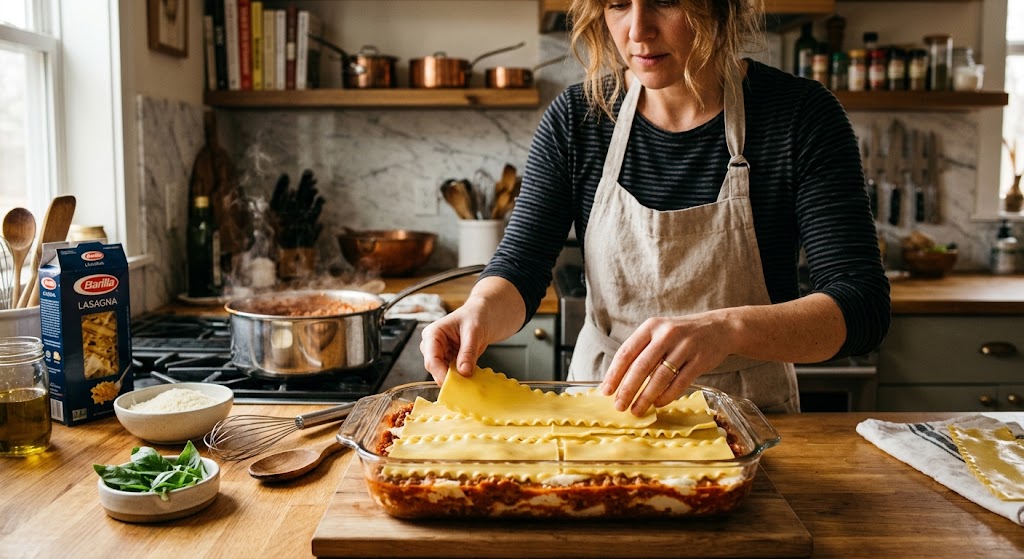
Spread a thin layer of meat sauce across the bottom of a 9-by-13-inch baking dish. This helps prevent the bottom noodles from sticking.
Arrange a layer of lasagna noodles over the sauce. Spread some ricotta mixture across the noodles, add meat sauce, and sprinkle with mozzarella.
Repeat the layers until you have used the ingredients, finishing with sauce and a generous layer of mozzarella and Parmesan.
Try to distribute the ingredients evenly. This helps every serving contain pasta, sauce, and cheese rather than leaving some portions dry and others overloaded.
Step 5: Bake Until Golden and Bubbly
Cover the baking dish loosely with aluminum foil. If possible, keep the foil from touching the cheese to prevent sticking.
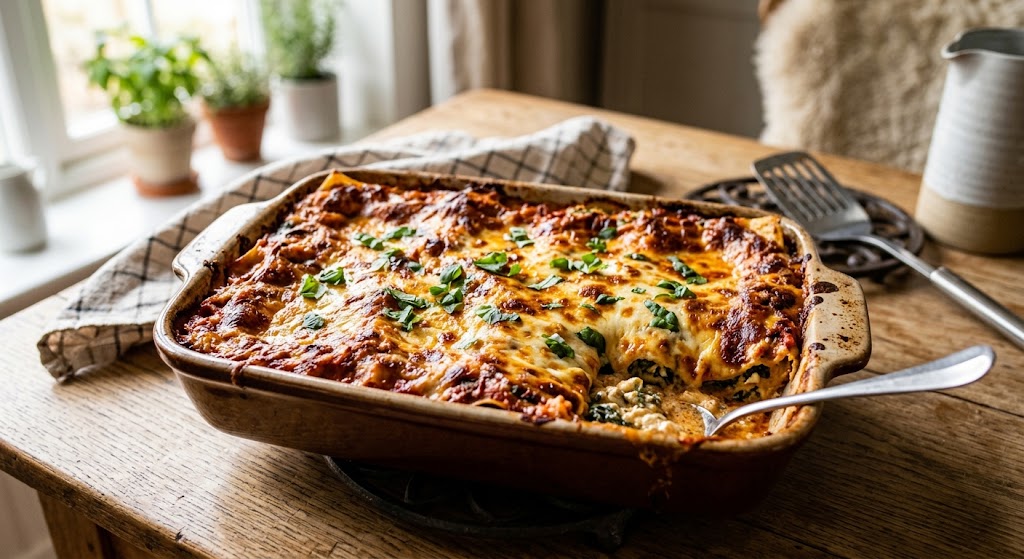
Bake for approximately 25 minutes covered, then remove the foil and bake for another 15–20 minutes, or until the sauce bubbles and the cheese becomes golden.
Cooking time can vary depending on the dish, the thickness of the layers, and whether the ingredients started cold.
Let the lasagna rest for 10–15 minutes before slicing. This allows the layers to settle and makes serving much easier.
9 Best Tips for a Rich, Cheesy Lasagna Recipe
A few small adjustments can make a noticeable difference to the flavor and texture of your homemade dish.
1. Choose the Right Pasta
Use lasagna noodles that fit your baking dish. Regular boiled noodles provide predictable results, while oven-ready noodles save preparation time.
Make sure the pasta is covered adequately with sauce so the finished dish does not become dry.

2. Prepare a Flavorful Meat Sauce
Do not rush the sauce. Cooking the onion until soft and allowing the tomatoes to simmer develops a deeper flavor.
Season gradually and taste before assembling the dish. Remember that Parmesan and mozzarella also contribute saltiness.
3. Use Plenty of Mozzarella
Lasagna mozzarella creates the stretchy, melted cheese layer many people love. Add some between the layers and reserve enough for the top.
For extra flavor, combine mozzarella with a little Parmesan.
4. Avoid Watery Sauce
Excess moisture can cause the layers to slide apart. Simmer the tomato sauce until it thickens and drain the noodles properly.
If you use vegetables such as mushrooms, zucchini, or spinach, cook off their excess moisture before adding them.
5. Build Even Layers
Spread each ingredient gently instead of piling everything into the center. Even layers help the pasta cook consistently and make each slice look attractive.
6. Season Every Component
A tasty sauce cannot always compensate for an unseasoned cheese filling or plain noodles. Season the meat sauce well and use Parmesan, herbs, and black pepper to enhance the flavor.
7. Cover During the First Part of Baking
Foil helps retain moisture while the pasta heats through. Removing it near the end allows the cheese to brown.
8. Let It Rest Before Slicing
Cutting the dish immediately after baking can make the layers collapse. Resting for 10–15 minutes helps create cleaner slices.
9. Customize the Ingredients
You can replace the beef with ground turkey, use a mixture of beef and sausage, or make a vegetarian version with mushrooms, spinach, and roasted vegetables.
Small changes allow you to adapt this easy lasagna recipe to your family’s preferences.
How Long Do I Cook Lasagna for in the Oven?
The cooking time depends on the ingredients, the oven temperature, and whether the dish is freshly assembled or frozen.
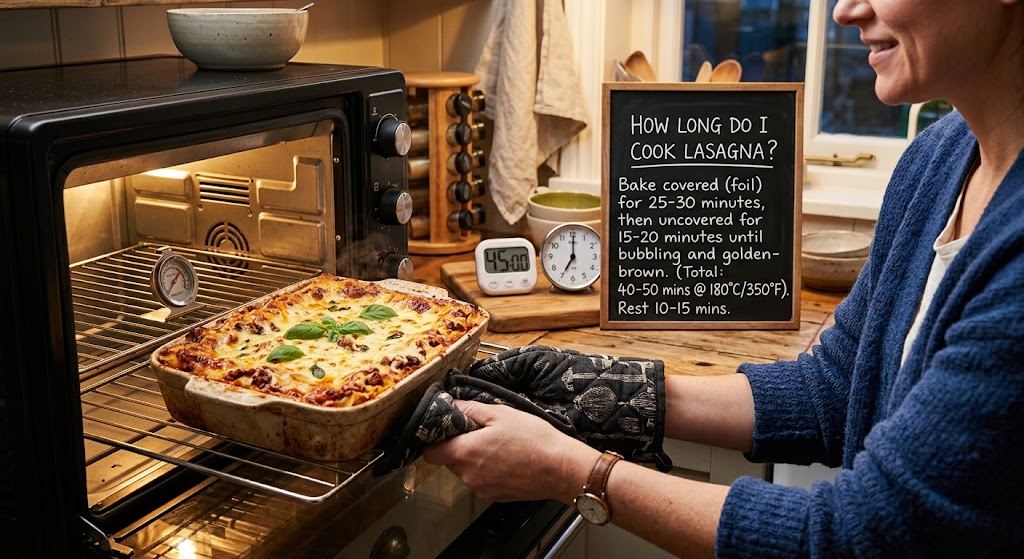
For this recipe, bake at 375°F (190°C) for approximately 40–45 minutes: around 25 minutes covered and another 15–20 minutes uncovered.
Here is a general guide:
- Freshly assembled lasagna: Approximately 40–45 minutes.
- Refrigerated, assembled lasagna: It may need an additional 10–20 minutes, depending on its temperature and thickness.
- Frozen lasagna: Follow a tested recipe or the package instructions. It can require substantially longer, especially if baked directly from frozen.
The center should be thoroughly hot, the sauce should bubble, and the cheese should melt completely. If you use a food thermometer, check that the center reaches a safe temperature appropriate for the ingredients and preparation method.
Always follow the package directions when using oven-ready noodles, as different products require different amounts of moisture and cooking time.
Million Dollar Lasagna: What Makes It Special?
Million dollar lasagna is a richer variation known for its creamy cheese filling. Many versions combine ricotta or cottage cheese with cream cheese, sour cream, or other ingredients to create a particularly smooth texture.
To try this variation, prepare the meat sauce as described above. For the filling, combine ricotta with a modest amount of softened cream cheese and Parmesan. Spread it between the pasta and sauce layers before adding mozzarella.
Because cream cheese adds richness, you may prefer to use a little less mozzarella in the middle layers while keeping a generous topping.
The result is a creamy, indulgent dish that is perfect for gatherings and special family dinners. Keep in mind that million dollar lasagna recipes vary, so adjust the filling to suit your preferred texture.
Easy Lasagna Sauce Ideas
Traditional tomato sauce is an excellent choice, but you can experiment with different flavors.
Classic meat sauce: Combine ground beef, tomatoes, onion, garlic, and Italian herbs for a hearty, savory filling.
Vegetarian tomato sauce: Replace the meat with mushrooms, spinach, zucchini, or lentils. Cook vegetables thoroughly to remove excess moisture.
Creamy white sauce: Use a béchamel sauce made with butter, flour, and milk. This is common in many traditional Italian-style lasagna preparations.
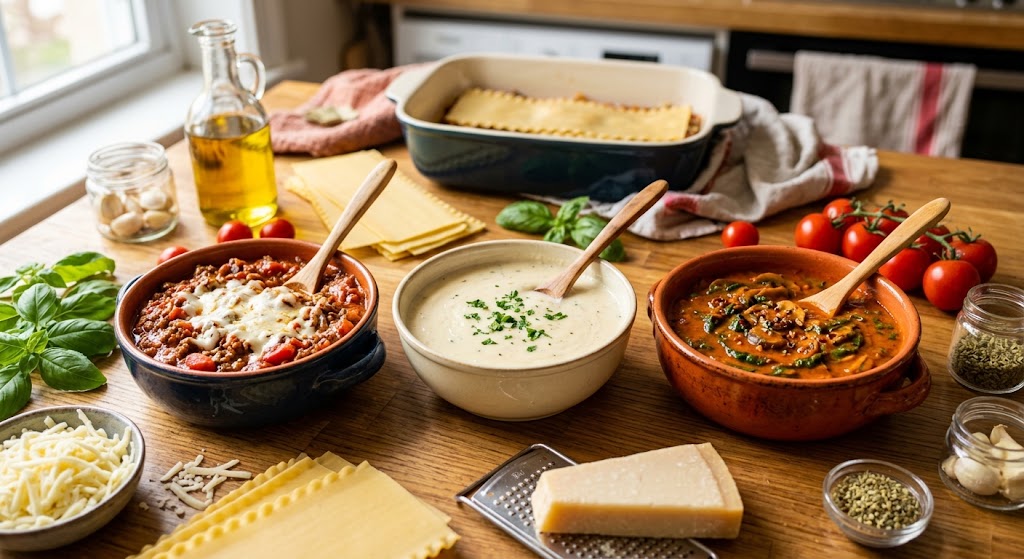
Spicy tomato sauce: Add red pepper flakes or a small amount of chili to create a little heat.
Whichever lasagna sauce you choose, aim for a consistency that is moist enough to cook the pasta but not so thin that it makes the finished dish watery.
Common Lasagna Mistakes to Avoid
Even an easy recipe can go wrong if a few details are overlooked.
- Too much liquid: A watery sauce can make the finished slices fall apart.
- Overcooked noodles: Very soft noodles may become mushy during baking.
- Uneven layers: Large gaps or thick piles of filling can create inconsistent portions.
- Insufficient seasoning: Taste the sauce before assembling the dish.
- Skipping the resting time: Letting the lasagna stand after baking improves its structure.
Avoiding these mistakes will help you achieve a better result, even if this is your first attempt.
What to Serve With Homemade Lasagna
Lasagna is filling on its own, so simple side dishes are usually the best choice.
Garlic bread is a classic option because it is ideal for enjoying the extra tomato sauce. A fresh green salad with a light vinaigrette balances the richness of the cheese.
You can also serve roasted vegetables, steamed broccoli, sautéed green beans, or a simple tomato and cucumber salad.
For a family dinner, prepare the side dishes while the lasagna bakes. This makes it easier to serve everything together while the cheese is still warm.
How to Store and Reheat Lasagna
Allow leftovers to cool slightly, then refrigerate them in shallow, airtight containers within two hours of cooking. Refrigerated leftovers should generally be eaten within 3–4 days.
For longer storage, freeze individual portions or the entire baked dish in freezer-safe containers. Label the container with the date and use the portions within approximately 2–3 months for better quality.
To reheat a slice in the oven, place it in an oven-safe dish, cover it with foil, and heat at 350°F (175°C) until the center is thoroughly hot. Add a spoonful of sauce if the pasta appears dry.
A microwave is convenient for individual portions. Cover the slice loosely and heat in short intervals, checking that the center is hot before serving.
Frequently Asked Questions
Can I prepare lasagna ahead of time?
Yes. You can assemble the dish, cover it, and refrigerate it before baking. Keep it refrigerated and bake it within a safe period, allowing extra time if it goes into the oven cold.
Do I have to boil lasagna noodles first?
Not always. Regular noodles generally require boiling, while oven-ready noodles are designed to cook in the oven. Check the package instructions before assembling the dish.
Which cheese is best for lasagna?
Mozzarella provides a smooth, stretchy topping, ricotta creates a creamy filling, and Parmesan adds a savory, slightly nutty flavor. Using all three produces a balanced result.
How do I keep lasagna from becoming watery?
Use a thick sauce, drain boiled noodles properly, and cook moisture-rich vegetables before layering. Rest the baked dish before slicing.
Can I make lasagna without meat?
Absolutely. Replace the ground beef with mushrooms, spinach, zucchini, lentils, or a mixture of vegetables. Make sure the filling is not too wet.
Conclusion
Homemade lasagna is a satisfying meal that combines tender pasta, rich sauce, and layers of melted cheese. With the right ingredients and a little preparation, you can create a delicious dinner without complicated cooking techniques.
The most important steps are making a flavorful sauce, building even layers, baking until the center is thoroughly hot, and allowing the dish to rest before serving. You can also experiment with vegetarian fillings, creamy sauces, and richer cheese combinations.
Try this lasagna recipe for your next family dinner, and adjust the seasonings and fillings to make it your own. With practice, you will find the combination that works best for your kitchen and your taste.