Mexican Candy: 9 Best Types, Authentic Flavors & Easy Buying Tips
Mexican sweets are known for their exciting mix of sweet, sour, spicy, and fruity flavors. From tangy tamarind treats to mango-flavored lollipops and traditional wafer sweets, these treats offer something for different tastes. They are enjoyed at family gatherings, celebrations, festivals, and as everyday snacks.
One reason people enjoy Mexican candy is its variety. Some sweets combine fruit flavors with chili powder, while others feature caramel, nuts, sugar, or creamy fillings. Traditional recipes also reflect Mexico’s diverse food culture, with ingredients and preparation methods that vary by region.
Whether you prefer fruity sweetness or bold, spicy flavors, exploring these treats can be a delicious experience. This guide covers nine popular types, common ingredients, shopping tips, and ways to choose sweets that match your preferences.
What Is Mexican Candy?
Mexican candy includes traditional sweets and modern packaged confectionery enjoyed throughout Mexico. Common flavors include mango, tamarind, strawberry, watermelon, lime, and caramel. Some varieties are sweet and mild, while others combine sweetness with sourness, salt, or chili.
Traditional confectionery may use sugar, honey, nuts, seeds, fruit, or milk-based ingredients. Modern products can also contain syrups, flavorings, food colorings, and other additives.
The combination of flavors is one of the most distinctive features of Mexican sweets. For example, a fruit-flavored treat may start sweet and finish with a tangy or spicy taste. Other products focus on a simple caramel, chocolate, or nut flavor.
Not every candy is spicy, and not every product follows a traditional recipe. Ingredients, textures, and flavors depend on the manufacturer and the type of sweet.
9 Best Types of Mexican Candy to Try
1. Mexican Fruit Candy
Fruit-based sweets are a great starting point for anyone exploring Mexican confectionery. Popular flavor options include mango, tamarind, watermelon, pineapple, strawberry, and lime.
These products come in different textures, including chewy pieces, hard sweets, gummies, and soft fruit-pulp treats. Some have a simple fruity taste, while others include sour seasonings or chili.
When shopping for Mexican fruit candy, read the ingredient list if you prefer products containing actual fruit. Some sweets use fruit pulp or concentrate, while others rely mainly on flavorings.
Fruit candies are convenient for parties, snack bowls, and small gifts. Combining several flavors gives guests a chance to discover their favorites.
2. Mango Mexican Candy
Mango is a familiar flavor in Mexican snacks and sweets. Mango-flavored candies can be sweet, tangy, spicy, or a combination of these tastes.
Some varieties come as soft chews, while others are lollipops, hard sweets, or fruit-pulp-based treats. Certain products combine mango flavor with chili and salt to create a stronger sweet-and-spicy experience.
If you are trying these sweets for the first time, start with a mild option. You can explore chili-coated varieties later if you enjoy spicy flavors.
Check the ingredients before buying. Products with similar mango flavors may differ in fruit content, sweeteners, and additives.
3. Pink Mexican Candy
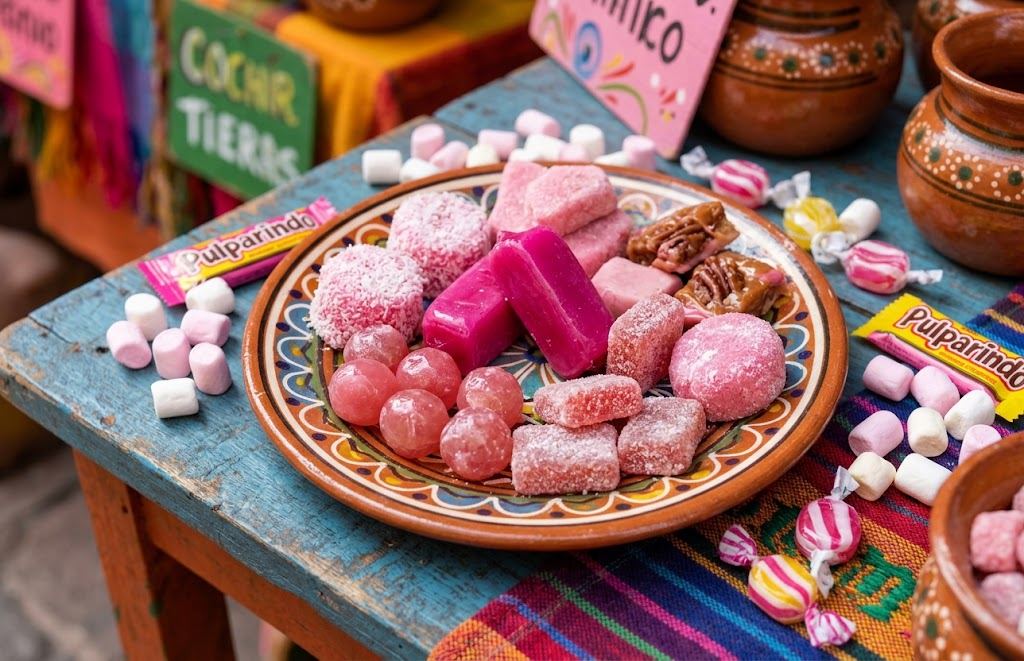
Pink-colored sweets are popular for their bright appearance and fruity flavor options. Depending on the product, they may have strawberry, watermelon, bubblegum, or other fruit-inspired flavors.
These candies can include lollipops, gummies, chewy sweets, and hard candy. Their taste depends on the recipe, so color alone cannot tell you what a product contains.
Pink sweets make attractive additions to birthday parties, themed celebrations, and colorful candy displays. You can combine them with yellow mango treats and green lime-flavored sweets for visual variety.
If you need to avoid specific food colorings or allergens, check the package label carefully.
4. Mexican Candy Wafers
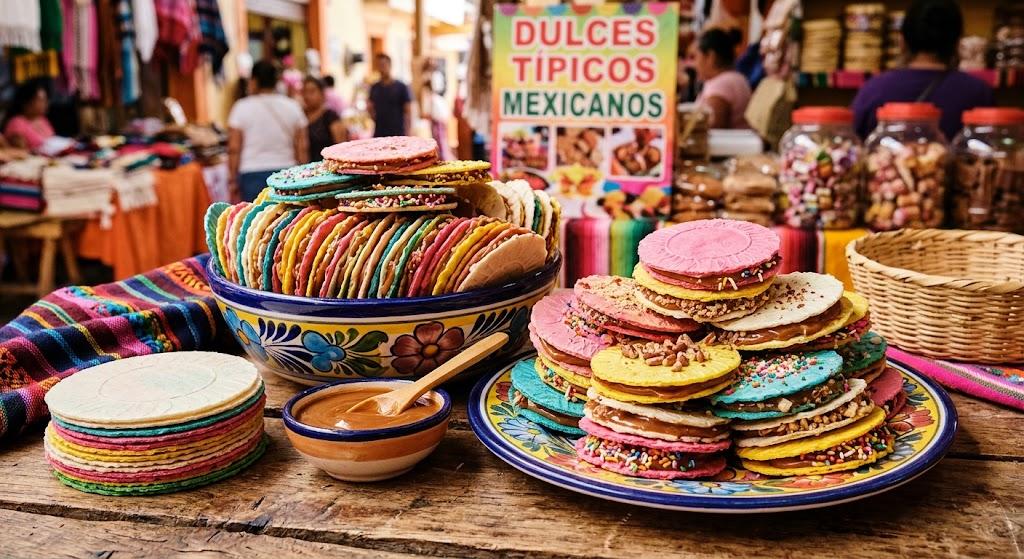
Wafer sweets offer a different texture from chewy or spicy candies. One traditional Mexican example is the oblea, a thin, crisp wafer that may be served with sweet fillings.
Some versions contain cajeta, a caramel-like confection traditionally made with goat’s milk. Other versions use different sweet fillings, depending on the recipe.
The crisp wafer and soft filling create an appealing contrast. These treats can be served on dessert platters with coffee, tea, or fresh fruit.
When purchasing filled wafers, check the ingredient label for milk and other allergens. Choose products with protective packaging because thin wafers can break during shipping.
5. Bon Bon Mexican Candy
Bon Bon Bum is a recognizable lollipop brand originating in Colombia, not Mexico. However, its fruit-flavored lollipops may appear in Latin American candy selections alongside Mexican products.
These lollipops typically feature a hard candy shell with a bubble-gum center. Available flavors depend on the product and market.
Their combination of a long-lasting candy exterior and chewy center makes them different from ordinary hard sweets. They are also convenient for individually portioned treats and party favors.
When buying a mixed assortment, check the manufacturer and country of origin. Latin American confectionery includes products from several countries, and not every candy sold in a Mexican assortment originated in Mexico.

6. Turrón Mexicano
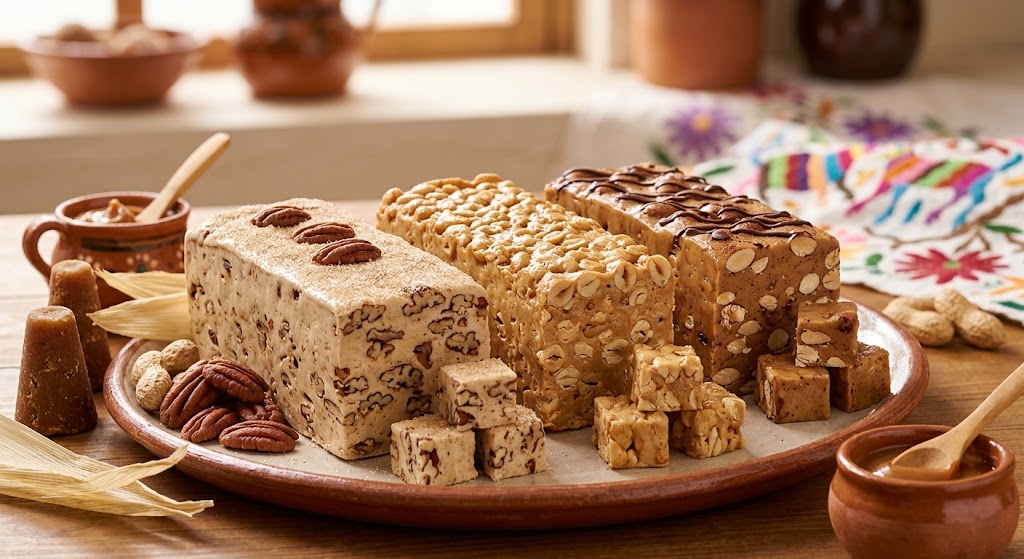
Turrón mexicano refers to Mexican-style turrón or related traditional sweet preparations, although recipes and naming conventions vary. The broader turrón tradition is strongly associated with Spain and has different versions across Spanish-speaking regions.
Depending on the recipe, turrón may contain sugar, honey, nuts, egg whites, or other ingredients. Some varieties are firm and crunchy, while others have a softer texture.
Nut-based sweets are appealing to people who enjoy rich flavors and a crunchy bite. They can also be included on holiday dessert trays or in gift assortments.
If you have a nut allergy, read the packaging carefully and check for cross-contact warnings.
7. Tamarind Mexican Candy
Tamarind is an important flavor in many Mexican snacks and sweets. Its naturally tangy taste makes it suitable for candies that balance sourness with sugar, salt, or chili.
Tamarind treats come in several forms, including chewy pulp-based sweets, soft balls, lollipops, and seasoned candies. Some have a mild fruity taste, while others deliver a stronger sour or spicy experience.
The appeal comes from the contrast between tamarind’s tart character and the ingredients used to create a balanced flavor. Chili-coated versions may taste sweet at first, followed by sourness and lingering heat.
If you are new to tamarind sweets, start with a small package because flavor intensity varies between brands.
8. Chili-Coated Mexican Candy
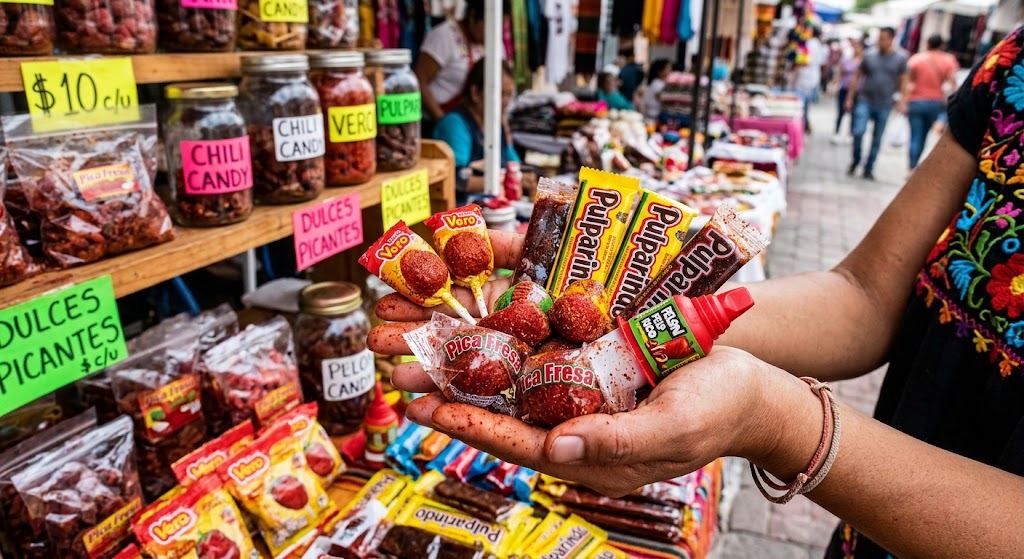
Sweet-and-spicy combinations are a recognizable feature of many Mexican snacks. Chili-coated candies bring together fruit flavors, sweetness, sourness, and varying levels of heat.
Depending on the recipe, the coating may contain chili powder, sugar, salt, citric acid, or other seasonings. Mango, tamarind, watermelon, and lime-inspired flavors are common choices for this style of treat.
If you have a low tolerance for heat, choose a mild variety or a fruit candy without chili. Product descriptions can help you compare flavors, although spice levels may not always be stated clearly.
Review the ingredients if you need to limit sugar, sodium, or particular additives. Different products can have very different nutritional profiles.
9. Mexican Candy Mix
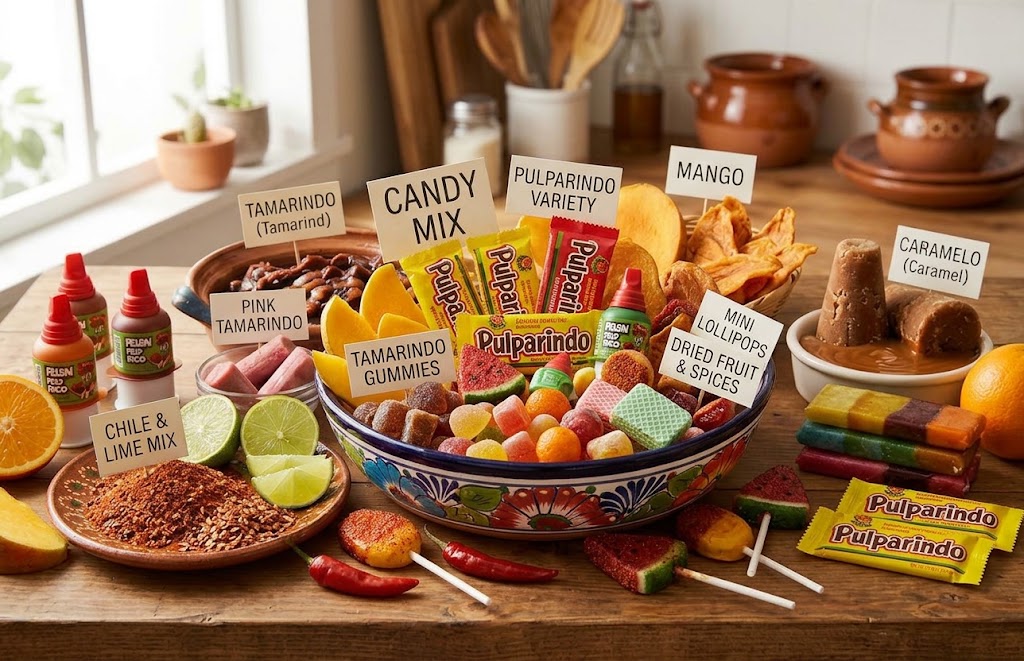
A mixed assortment is a convenient way to explore different flavors without purchasing a large quantity of every type separately. A Mexican candy mix may contain fruit chews, lollipops, tamarind treats, hard sweets, and chili-coated varieties.
The selection depends on the seller. Some packages focus on spicy and sour treats, while others contain mostly sweet fruit flavors or a combination of traditional and modern products.
These assortments are useful for birthday parties, family gatherings, holidays, and themed snack tables. Place the candies in separate bowls and label the flavors so guests can easily find what they prefer.
Before ordering, read the product description carefully. Check package size, ingredients, allergens, and the exact items included.

Mexican Candy Ingredients: What Are These Sweets Made Of?
The ingredients in Mexican sweets depend on the recipe and manufacturer. There is no single ingredient list that applies to every variety.
Common ingredients include:
- Sugar and syrups: Provide sweetness and help create the texture of hard and chewy candies.
- Fruit ingredients: Mango, tamarind, strawberry, watermelon, and other fruits may provide flavor or texture.
- Chili and salt: Create a spicy or savory contrast in some products.
- Citric acid: Adds a tart taste to certain fruit-flavored sweets.
- Milk ingredients: May appear in caramel-style candies and filled wafers.
- Nuts and seeds: Feature in some traditional confectionery.
- Colorings and flavorings: Help produce specific colors and flavors.
When checking Mexican candy ingredients, read the package rather than relying on the product name or color. Pay attention to allergens, serving sizes, and added sugars. Similar-looking sweets can have different formulations.
Where to Buy Mexican Candy
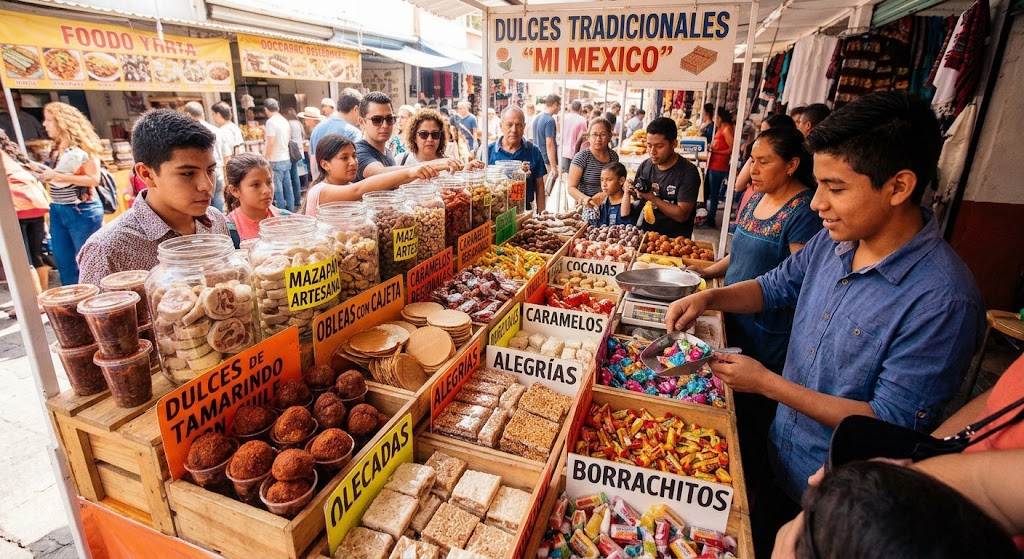
You can find these sweets at Mexican grocery stores, Latin American specialty shops, international food markets, and reputable online retailers.
A Mexican candy store may offer individual products, imported brands, traditional sweets, and mixed assortments. Shopping in person makes it easier to inspect packaging and expiration dates.
Online stores can provide more variety when local shops have limited selections. Before ordering, compare package sizes, prices, shipping conditions, and ingredient information.
Choose sellers that provide clear product descriptions and sealed packaging. Avoid products with damaged wrappers, missing labels, or uncertain storage conditions.
How to Choose the Best Mexican Candy
The best choice depends on your taste preferences, budget, and dietary needs.
If you prefer fruity sweetness, try mango or strawberry varieties. Tamarind treats suit people who enjoy tangy flavors, while chili-coated options offer a stronger taste. Wafer sweets and caramel-based treats are useful alternatives for those who prefer milder flavors.
Keep these tips in mind:
- Check ingredient and allergen labels.
- Compare package sizes and prices.
- Look for intact packaging and clear expiration dates.
- Choose mild flavors for people unfamiliar with spicy sweets.
- Follow age recommendations, especially for hard candies and lollipops.
- Store products according to the manufacturer’s instructions.
Buying a small assortment first can help you discover your favorite flavors without spending too much.
Frequently Asked Questions
What is the most popular Mexican candy?
Preferences vary by region and individual taste. Tamarind sweets, chili-coated fruit candies, lollipops, and traditional caramel or nut-based treats are all worth exploring.
Is Mexican candy always spicy?
No. Some varieties contain chili, but many are sweet, fruity, creamy, or nut-based. Check the product description to find a flavor that suits you.
What is pink Mexican candy made of?
It depends on the product. Pink candies may contain sugar, flavorings, food coloring, and other ingredients. Some have strawberry or watermelon-inspired flavors, but color alone cannot identify the ingredients.
What makes mango Mexican candy different?
Mango-flavored varieties may combine fruity sweetness with sour seasoning or chili. Others are simply sweet mango-flavored treats.
Where can I find a Mexican candy store?
Look for Mexican grocery stores, Latin American specialty shops, international food markets, and reputable online retailers. Check product labels and seller information before purchasing.
Conclusion
Mexican sweets offer a wide range of flavors and textures, from tangy tamarind treats and mango-flavored candies to crisp wafers, traditional turrón, and colorful mixed assortments.
Start with flavors you already enjoy and gradually try something new. Compare ingredients, check allergen information, and buy from reputable sellers.
Whether you prefer fruity sweetness or bold chili-coated treats, exploring different varieties can help you discover new favorites and learn more about Mexico’s diverse confectionery traditions.