Chicken Boneless Breasts: 9 Best Tips for Juicy, Tender & Easy Cooking
Cooking a delicious chicken dinner at home does not have to be difficult. With the right ingredients, a good frying pan, and a few simple techniques, you can prepare tender, flavorful chicken without spending hours in the kitchen.Cooking chicken boneless breasts at home is a practical way to prepare a quick and delicious meal. With simple seasonings and the right cooking temperature, you can enjoy tender, juicy chicken that works perfectly for lunch, dinner, salads, and sandwiches.
Chicken is a versatile protein that works well for quick lunches, family dinners, salads, sandwiches, and meal preparation.
Chicken boneless breasts are especially popular because they are easy to prepare, cook relatively quickly, and absorb seasonings beautifully. However, they can become dry if they are cooked for too long or over high heat. The secret to a great result is to use evenly sized pieces, season them properly, and check their internal temperature before serving.
In this guide, you will learn how to prepare juicy chicken on the stove, which ingredients work best, how long to cook each side, and which mistakes to avoid. Whether you prefer pan-seared chicken breast, pan-fried chicken, or a simple sautéed version, these practical tips will help you make a satisfying homemade meal.
Chicken boneless breasts are an excellent choice for quick family dinners because they cook quickly and pair well with a variety of seasonings and side dishes.
What Are Chicken Boneless Breasts?
Chicken boneless breasts are cuts of chicken taken from the breast area with the bones removed. Most are also sold without skin, making them convenient for everyday cooking. Their mild flavor makes them suitable for a wide range of seasonings, sauces, and cooking methods.
Unlike chicken thighs, breast meat is relatively lean. This means it can cook quickly but may lose moisture if exposed to heat for too long. Preparing the meat evenly and allowing it to rest after cooking can make a noticeable difference in tenderness.
You can use this cut in pasta, wraps, rice bowls, sandwiches, salads, and many other meals. It also works well with Mexican-inspired seasonings, including cumin, paprika, garlic, lime juice, and chili powder.
When buying chicken, choose fresh-looking pieces with no unpleasant smell. Keep raw chicken refrigerated and separate from ready-to-eat foods to reduce the risk of cross-contamination.

Ingredients for Juicy Chicken
Before you begin, gather your ingredients. You do not need an expensive marinade or a long list of spices to make flavorful chicken.The best ingredients for chicken boneless breasts include olive oil, garlic, paprika, black pepper, and a little lemon juice. These everyday ingredients enhance the natural flavor of the chicken while helping you prepare a tasty meal without complicated cooking steps.
A few basic pantry ingredients are usually enough.
Chicken Breast Ingredients
- 2 boneless, skinless chicken breasts, approximately 6–8 ounces each
- 1 tablespoon olive oil
- 1 tablespoon butter, optional
- 2 garlic cloves, minced
- 1 teaspoon paprika
- ½ teaspoon garlic powder
- ½ teaspoon onion powder
- ½ teaspoon dried oregano
- Salt, according to taste
- Black pepper, according to taste
- 1 tablespoon fresh lemon juice
- Chopped parsley, optional, for serving
Chicken boneless breasts are easy to customize with your favorite herbs and spices. For extra flavor, try adding cumin, chili powder, fresh lime juice, or chopped cilantro to create a delicious Mexican-inspired meal.These chicken breast ingredients provide a balanced combination of savory, slightly smoky, and fresh flavors. Olive oil helps the surface brown, while butter adds richness. Garlic, paprika, and oregano create a simple seasoning mixture without overpowering the natural taste of the meat.
You can adjust the seasonings according to your preferences. For a spicy version, add cayenne pepper or chili powder. For a Mexican-inspired flavor, use cumin, smoked paprika, lime juice, and a small amount of ground coriander.
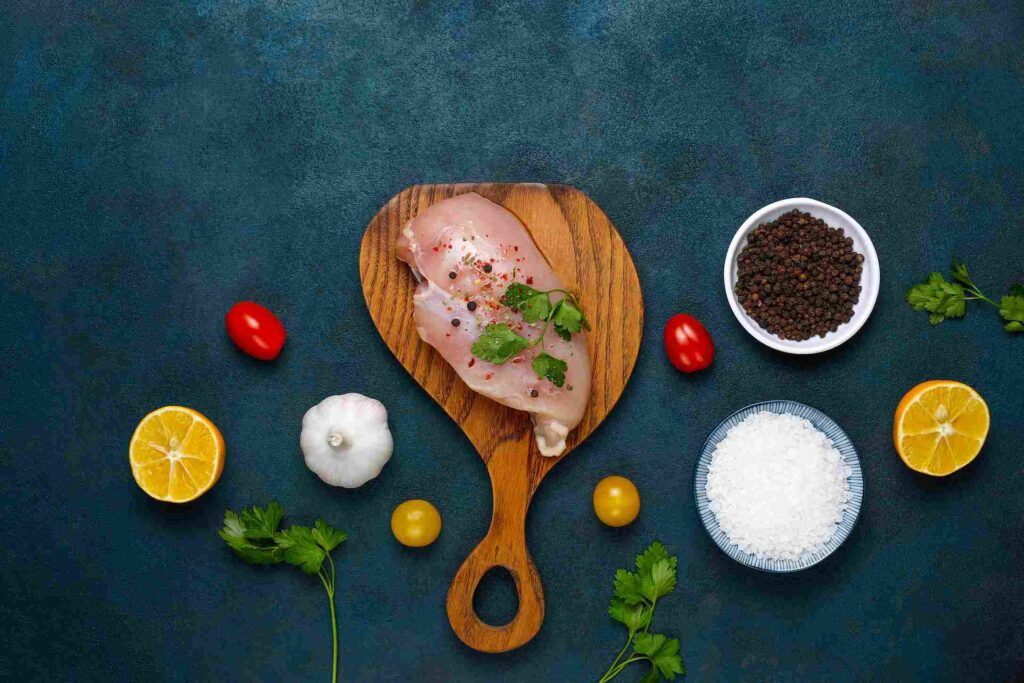
1. Choose Chicken Pieces of Similar Thickness
One of the easiest ways to improve your cooking results is to make sure the chicken pieces have a similar thickness. If one end is much thicker than the other, the thin section may become dry before the center of the thick section finishes cooking.
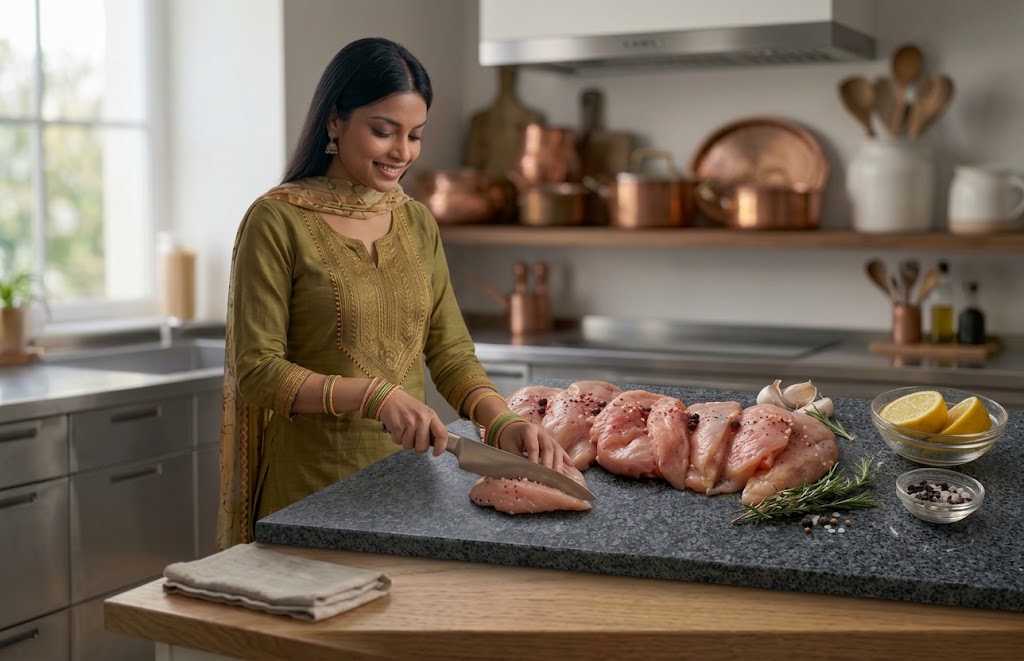
Place each breast on a clean cutting board and cover it with baking paper or plastic wrap. Gently pound the thicker section with a meat mallet until the piece is more even. Avoid hitting it too hard, as this can damage the texture.
You can also slice a very thick breast horizontally to create two thinner cutlets. These cook faster and are useful when you need dinner on the table quickly.
After preparing the meat, wash your hands and clean any surfaces that touched raw chicken. Do not wash raw chicken under running water because splashing can spread harmful bacteria around your kitchen.
2. Season the Chicken Properly
Good seasoning adds flavor to every bite. Pat the chicken dry with paper towels before adding oil and spices. Removing excess surface moisture helps the meat brown more effectively in the pan.
For extra flavor, chicken boneless breasts can be seasoned with smoked paprika, garlic, cumin, and fresh lime juice. Let the seasoning coat both sides evenly so every bite tastes delicious without overpowering the natural flavor of the chicken.
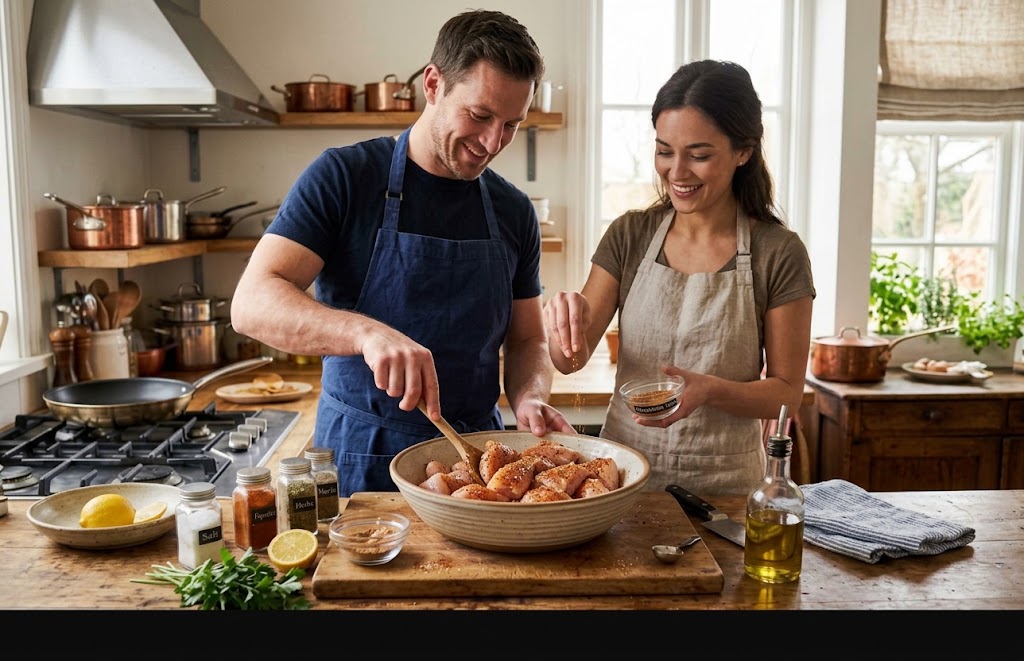
Combine the paprika, garlic powder, onion powder, oregano, salt, and black pepper in a small bowl. Rub a light coating of olive oil over both sides of the chicken, then distribute the seasoning evenly.
For extra flavor, let the seasoned meat rest in the refrigerator for 15–30 minutes. This short resting period allows the surface seasoning to settle into the meat. If you have more time, you can prepare a simple marinade with olive oil, lemon juice, garlic, and herbs.
Do not leave raw chicken at room temperature for an extended period. Keep it refrigerated while marinating, and discard any marinade that has contacted raw chicken unless you bring it to a safe boil before using it as a sauce.
3. Heat the Pan Before Cooking
A properly heated pan helps develop a golden-brown surface and prevents the chicken from sticking. A heavy stainless-steel or cast-iron skillet works well, although a good nonstick pan can also produce excellent results.
Place the pan over medium to medium-high heat and add the olive oil. Give the oil a short moment to heat, but do not let it smoke heavily. If you are using butter, add it later in the cooking process because butter can burn more easily than oil.
Carefully place the seasoned chicken in the pan. You should hear a gentle sizzling sound. If the pan is not hot enough, the meat may release moisture and steam instead of browning.
Avoid overcrowding the pan. If you are preparing several pieces, cook them in batches so that each piece has enough space. A little room around the chicken helps moisture evaporate and encourages better browning.

4. Master Pan-Seared Chicken Breast
Pan-seared chicken breast is a simple cooking method that creates a flavorful golden crust while keeping the center tender. The process depends on steady heat, proper timing, and avoiding unnecessary movement.
For perfectly cooked chicken boneless breasts, keep the pan at a steady medium-high temperature and avoid moving the meat too often. Cook each side until golden brown, then use a food thermometer to confirm that the thickest part reaches 165°F (74°C).
Place the chicken in the hot pan and allow the first side to cook undisturbed. For an average breast of even thickness, this may take around 5–7 minutes, depending on its size and the heat level.
Turn the chicken with tongs and cook the second side. Thinner cutlets will finish sooner, while thicker pieces may need additional time. Avoid pressing down on the meat with a spatula because this does not make it cook better and may push out juices.
If the outside is browning too quickly, reduce the heat slightly. Near the end of cooking, add the butter and minced garlic if desired. Spoon the melted butter over the chicken for extra flavor, taking care not to burn the garlic.
The most reliable way to know when the chicken is done is to use a food thermometer. The thickest part should reach 165°F (74°C). Color alone is not a dependable way to judge safety.

5. How Long to Cook Chicken Breast on Stove
Many home cooks wonder how long to cook chicken breast on stove because cooking time changes with thickness, pan temperature, and the starting temperature of the meat.
For evenly pounded pieces about ½–¾ inch thick, a useful starting estimate is approximately 5–7 minutes per side over medium to medium-high heat. Thin cutlets may cook faster, while thick pieces may require more time. These are estimates rather than guarantees, so always check the center with a thermometer.
If the outside is golden but the inside has not reached a safe temperature, lower the heat and continue cooking. You can cover the pan briefly to help heat reach the center, but avoid keeping the chicken covered for too long if you want to preserve a browned surface.
Here is a general guide:
- Thin cutlets: Begin checking after a few minutes per side.
- Medium, evenly flattened breasts: Often need around 5–7 minutes per side.
- Thick breasts: May need longer, especially if they have not been flattened.
- Small strips: Usually cook faster than whole breasts, so check them frequently.
When preparing chicken boneless breasts, remember that cooking time depends on their thickness and the temperature of your pan. Use a food thermometer to check the thickest part and ensure the chicken reaches 165°F (74°C) before serving. Always cook chicken to an internal temperature of 165°F (74°C) at the thickest point. Let the meat rest for about 5 minutes before slicing so that it remains pleasant and juicy.

6. Make Pan-Fried Chicken Without Drying It Out
Pan-fried chicken is ideal when you want a crisp, golden exterior without deep-frying. You can achieve good browning with a modest amount of oil and a well-heated skillet.
Chicken boneless breasts cook beautifully in a skillet when you use the right amount of oil and maintain a steady temperature. Season the meat evenly and avoid overcooking to achieve a golden exterior with a tender, juicy center.
For a lightly crisp coating, dust the seasoned chicken with a thin layer of flour. Shake off the excess before placing it in the pan. You can also use a small amount of cornstarch for a delicate crust, although the result will differ from a traditional flour coating.
Keep the heat moderate enough to brown the coating without burning it before the center cooks. Turn the chicken only when the first side has developed a good crust. Moving it repeatedly can interfere with browning.
If you are preparing a larger meal, transfer cooked pieces to a clean plate rather than stacking them in the hot pan. This helps preserve the surface texture.
Remember that pan-fried chicken does not need to be heavily coated to taste delicious. A light seasoning mixture and careful cooking can deliver plenty of flavor while keeping the recipe simple.
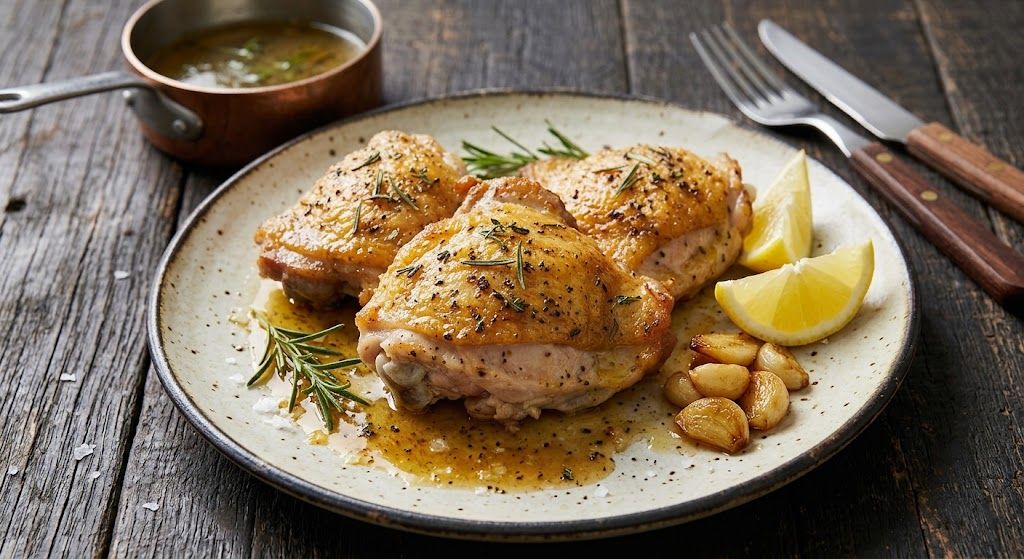
7. Try Sautéed Chicken Breast for a Quick Meal
Sautéed chicken breast is a convenient option when you want a lighter, flexible dinner. This method works particularly well with thin slices or bite-sized pieces because they cook quickly and combine easily with vegetables.
Cut the chicken into evenly sized strips. Season them with salt, pepper, garlic powder, paprika, and a little oregano. Heat olive oil in a skillet and add the chicken in a single layer.
Cook the pieces, turning occasionally, until they are browned and reach a safe internal temperature. The exact timing depends on the size of the pieces, so avoid relying on a fixed number of minutes.
For a complete meal, add sliced bell peppers, onions, mushrooms, or zucchini after the chicken has browned. Cook the vegetables until tender, then return the chicken to the pan if you removed it earlier. Finish with lemon juice and fresh herbs.
This approach is useful for rice bowls, fajitas, wraps, and pasta. You can change the seasoning to match the meal without changing the basic cooking technique.For busy weeknights, chicken boneless breasts are a convenient choice because they pair easily with fresh vegetables, rice, pasta, and tortillas. Cut the meat into evenly sized pieces to help it cook consistently and make meal preparation easier.
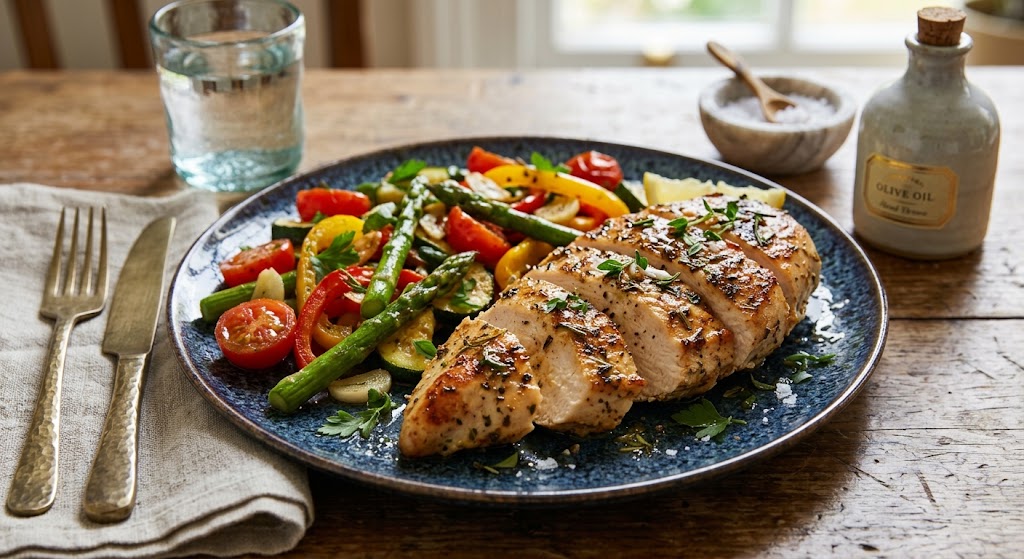
8. Cooking Chicken Breast on Stove With Garlic Butter
Cooking chicken breast on stove with garlic butter creates a rich, savory finish without requiring a complicated sauce. The key is to add the butter near the end instead of exposing it to high heat throughout the entire cooking process.
Chicken boneless breasts pair especially well with garlic butter because the mild meat absorbs the rich, savory flavor. Add the butter near the end of cooking, then spoon it over the chicken to create a flavorful finish without burning the garlic.
First, cook the seasoned chicken in olive oil until it is browned on both sides. Reduce the heat to medium-low and add a small amount of butter along with minced garlic. Allow the garlic to become fragrant, stirring or spooning the butter carefully so it does not burn.
Tilt the pan slightly and spoon the garlic butter over the chicken for about a minute. Continue cooking as needed until the thickest section reaches 165°F (74°C).
For a brighter flavor, finish with lemon juice and chopped parsley. If you prefer a creamy sauce, remove the cooked chicken to a clean plate and add a little chicken broth to the pan. Scrape up the browned bits, then stir in a small splash of cream if desired.
Return the chicken to the sauce briefly before serving. Keep the sauce at a gentle simmer rather than boiling it aggressively.
9. Best Tips for Juicy Chicken Breast on Stove
Making juicy chicken breast on stove is easier when you focus on a few essential habits. You do not need a complicated technique; you simply need to avoid overcooking the meat and prepare it evenly.
To keep chicken boneless breasts juicy, choose pieces of similar thickness and season them evenly before cooking. Avoid using excessive heat, check the internal temperature carefully, and allow the cooked chicken to rest for about five minutes before slicing.
Use even thickness: Flatten thick areas so that the chicken cooks at a more consistent rate.
Dry the surface: Pat the chicken with paper towels before seasoning. A dry surface helps the meat brown.
Avoid excessive heat: Very high heat can burn the outside before the center is cooked. Adjust the temperature when necessary.
Use a thermometer: Check the thickest section and cook to 165°F (74°C). This is more reliable than judging the meat by appearance.
Let it rest: Leave the cooked chicken on a clean plate for approximately 5 minutes before cutting.
Slice against the grain: Look for the direction of the muscle fibers and cut across them. This can make each bite feel more tender.
Do not overcook it: Once the chicken reaches a safe temperature, remove it from the heat. Additional cooking can make lean breast meat dry.
These small steps can improve the texture of your meal whether you are preparing a quick lunch or cooking for the whole family.Preparing chicken boneless breasts at the correct temperature helps preserve their natural moisture and flavor. Always check the thickest piece with a food thermometer and let the cooked meat rest briefly before serving.

Pan-Roasted or Pan-Grilled: Which Method Is Better?
Pan-roasted and pan-grilled chicken are useful alternatives when you want a different texture or flavor. Although the names sometimes overlap in everyday cooking, they usually describe slightly different approaches.
Pan-roasting often begins with browning the chicken in an oven-safe skillet before finishing it in the oven. This method can be helpful for thicker pieces because the oven provides more even surrounding heat after the surface has browned.
Pan-grilled chicken is usually cooked in a grill pan or on a suitable grill surface to create browned areas and attractive grill marks. A grill pan may require a small amount of oil, depending on the surface and recipe.
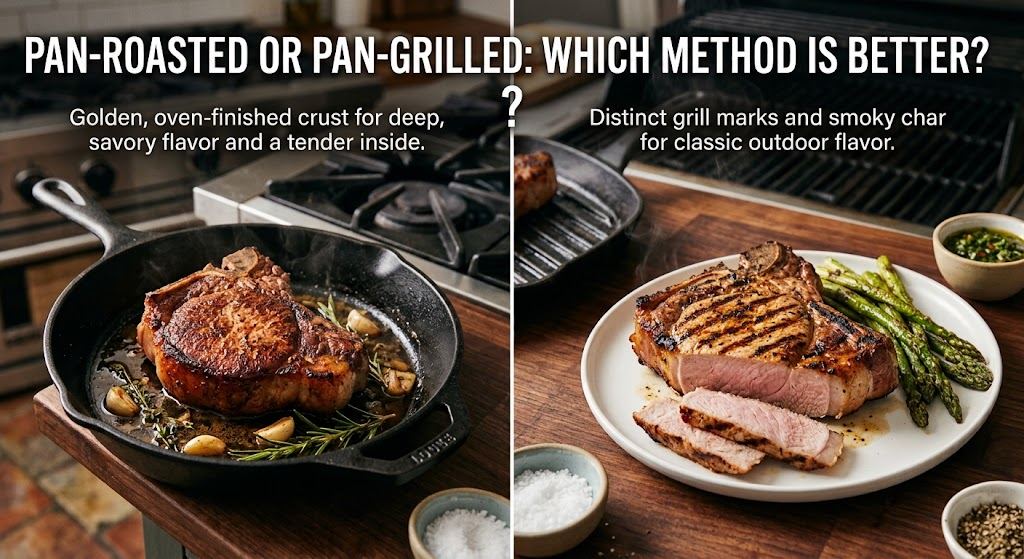
Both methods can produce tasty results. Choose stovetop searing when you want a quick meal and good control over the cooking process. Consider pan-roasting for thicker pieces or pan-grilling when you prefer a grilled appearance.
Regardless of the method, the chicken must reach an internal temperature of 165°F (74°C). Allow it to rest briefly before slicing and serving.
Common Mistakes to Avoid
Even a simple chicken recipe can go wrong when a few basic details are overlooked.
Cooking cold chicken immediately: Chicken straight from the refrigerator can still be cooked safely, but very unevenly shaped pieces may cook less consistently. Flattening thick areas is more important than leaving raw meat out to warm up.
Using too much oil: A thin coating is usually sufficient for skillet cooking. Excess oil can make the finished dish feel greasy.
Turning the chicken too often: Give the first side enough time to brown before flipping it.
Cutting it immediately: Slicing as soon as the chicken leaves the pan can release juices onto the cutting board. A short rest helps improve the eating experience.
Guessing doneness by color: Chicken can look white before it has reached a safe internal temperature. Use a thermometer instead.
Reusing raw-chicken utensils: Use clean plates and utensils for cooked meat, and wash hands and surfaces that have contacted raw chicken.
Avoiding these mistakes makes the cooking process easier and helps you produce a more consistent result every time.
What to Serve With Chicken Breast
One advantage of this recipe is that it pairs with many different side dishes. For a simple dinner, serve the chicken with steamed rice, roasted potatoes, or sautéed vegetables.
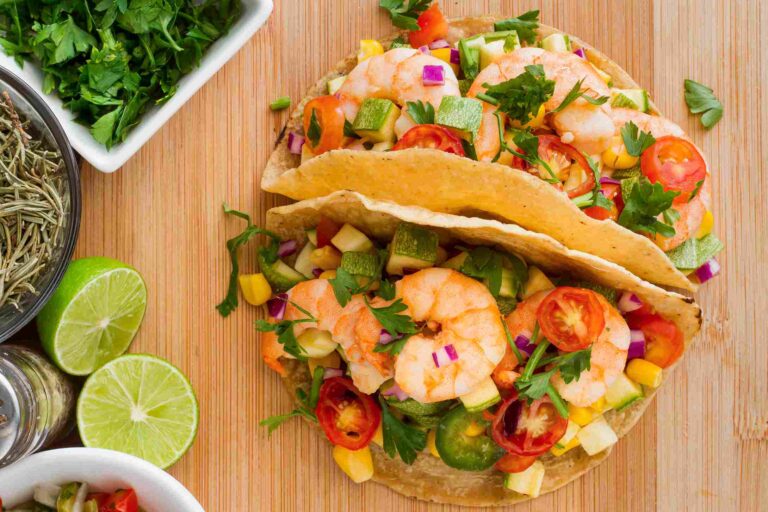
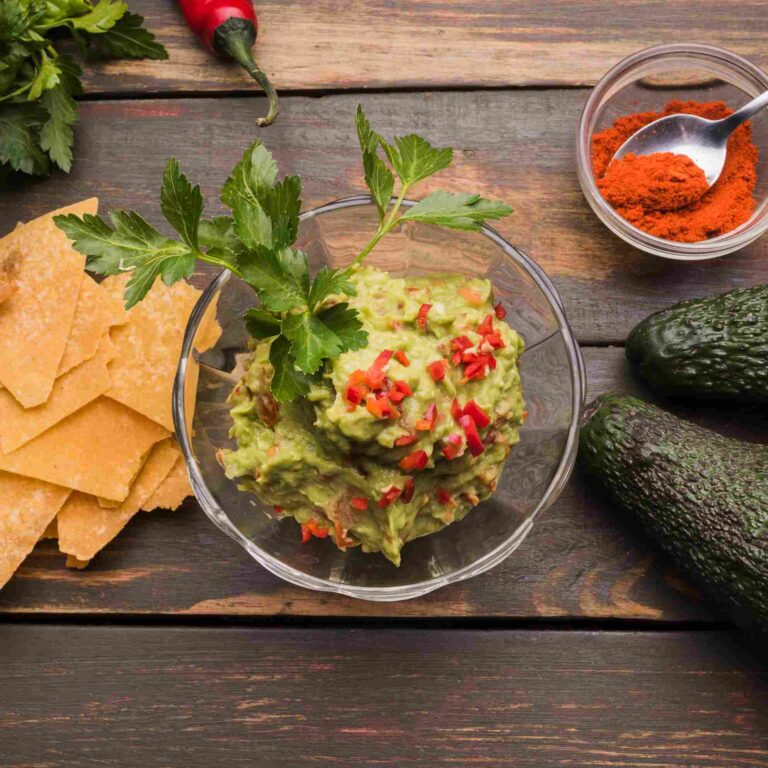
For a fresh meal, add a green salad with cucumber, tomatoes, and a lemon dressing. If you enjoy Mexican-inspired flavors, serve the chicken with warm tortillas, black beans, corn, avocado, and fresh salsa.
Pasta is another convenient choice. Slice the cooked chicken and add it to pasta with garlic, olive oil, and a little Parmesan cheese. You can also place it in a sandwich or wrap with lettuce, tomatoes, and a light sauce.
For meal preparation, divide the cooked chicken into portions and combine it with rice and vegetables. Store the portions safely in the refrigerator and reheat them thoroughly when ready to eat.
Storage and Reheating Tips
Let cooked chicken cool slightly, then place it in a clean, airtight container and refrigerate it within two hours of cooking. In hot conditions above 90°F (32°C), refrigerate it within one hour.
Cooked chicken can generally be stored in the refrigerator for 3–4 days. For longer storage, freeze it in suitable airtight packaging. Label the container with the date so you can keep track of how long it has been stored.
When reheating leftovers, heat them to 165°F (74°C). Add a small splash of broth or water before reheating if the meat seems dry. Covering it during reheating can help retain moisture.
Do not leave cooked chicken at room temperature for extended periods, and discard leftovers that have been stored improperly or show signs of spoilage.
Frequently Asked Questions
1. How do I keep chicken breast from becoming dry?
Use evenly thick pieces, avoid excessive heat, and check the internal temperature with a food thermometer. Remove the chicken from the heat once it reaches 165°F (74°C), then let it rest briefly before slicing.
2. Can I cook chicken without butter?
Yes. Olive oil or another suitable cooking oil works well. Butter is optional and mainly adds richness and flavor.
3. Should I cover the pan while cooking?
You can cover the pan briefly if a thick piece needs more time to cook through. However, keeping the lid on throughout cooking can trap moisture and reduce surface browning.
4. Which seasonings work best?
Garlic, paprika, black pepper, oregano, onion powder, and salt create a reliable basic combination. Lemon juice, cumin, chili powder, or fresh herbs can add different flavors.
5. Can I prepare the chicken ahead of time?
Yes. You can season the raw chicken in advance and keep it refrigerated until cooking. You can also cook it ahead, refrigerate it promptly, and use it in meals over the next few days.
Conclusion
Preparing delicious chicken at home is straightforward when you choose evenly sized pieces, season them well, heat the pan properly, and avoid overcooking. Chicken boneless breasts can become the foundation for countless meals, from simple skillet dinners to fresh salads, sandwiches, rice bowls, and Mexican-inspired dishes.
Once you learn the basics, chicken boneless breasts become much easier to prepare for everyday meals. Experiment with garlic butter, fresh herbs, lemon juice, or Mexican-inspired spices to create different flavors while keeping the cooking process simple.
Start with the basic olive oil, garlic, paprika, and herb seasoning, then experiment with your favorite flavors. Remember to check the thickest part with a thermometer and make sure it reaches 165°F (74°C). With these practical techniques, you can prepare a flavorful chicken dinner that fits easily into your everyday cooking routine.With the right preparation and cooking technique, chicken boneless breasts can become a reliable favorite for quick lunches, family dinners, and weekly meal preparation.