Mexican Hot Sauce: 9 Powerful Secrets for Bold, Authentic & Delicious Flavor
If you love spicy food with bold flavors, Mexican hot sauce is something you should definitely try. It is an important part of Mexican cuisine because it adds heat, freshness, and delicious flavor to everyday meals. Whether you enjoy tacos, burritos, quesadillas, grilled chicken, or tortilla chips, a little spicy sauce can make your food taste even better.
One of the best things about traditional Mexican sauces is that they use simple ingredients such as chili peppers, tomatoes, garlic, onions, and vinegar. Different combinations create different flavors, from smoky and tangy to fruity and fiery. Some varieties are mild enough for everyday meals, while others are perfect for people who enjoy serious heat.
In this guide, you will discover traditional varieties, essential ingredients, popular brands, and an easy homemade recipe. You will also learn how to choose the right spice level and serve these delicious sauces with your favorite Mexican dishes.
1. What Is Mexican Hot Sauce?
Mexican hot sauce is a spicy condiment prepared with different types of chili peppers, vegetables, seasonings, and sometimes vinegar or lime juice. It is commonly served alongside traditional Mexican meals to improve their flavor and add the right amount of heat.
Unlike some commercial chili sauces, traditional Mexican varieties have different textures and flavor profiles. Some are smoky because they use dried or smoked peppers, while others taste fresh and slightly sour because they contain tomatoes, tomatillos, or citrus juice.
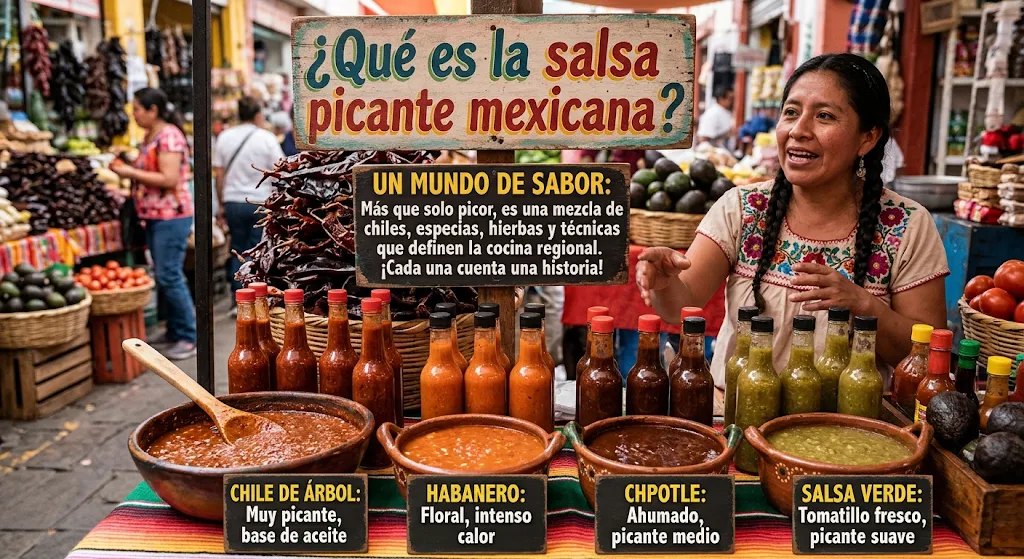
Chili peppers are usually the most important ingredient. Depending on the recipe, cooks may use jalapeños, serranos, habaneros, chipotle peppers, or chile de árbol.
These sauces are popular in Mexican homes and restaurants. People enjoy adding them to tacos, eggs, soups, grilled meats, and snacks. Some recipes are blended until smooth, while others have a thicker texture with visible pieces of peppers and vegetables.

2. Traditional Ingredients Used in Mexican Hot Sauce
The flavor of a good homemade sauce depends on the quality and combination of its ingredients. You do not need expensive products to prepare something delicious at home.
Here are some common ingredients used in traditional recipes.
Chile de árbol: These small, thin dried peppers provide noticeable heat and a slightly nutty flavor. They are commonly used in spicy Mexican sauces.
Jalapeño peppers: Jalapeños offer moderate heat and a fresh, slightly grassy taste. They are a good option for people who prefer balanced spice.
Serrano peppers: Serranos are generally hotter than jalapeños. They bring a fresh, sharp flavor to homemade sauces.
Chipotle peppers: These are smoked and dried jalapeños. They provide a distinctive smoky flavor that works beautifully with grilled foods.
Tomatoes: Tomatoes add natural sweetness, moisture, and body to the sauce.
Garlic and onion: These ingredients create a rich savory base and make the overall flavor more balanced.
Vinegar or lime juice: Both provide acidity. Vinegar gives a sharper tang, while lime adds a fresh citrus taste.
Salt: A little salt brings all the flavors together.

You can adjust these ingredients according to your preferred taste. For example, use fewer hot peppers for a milder sauce or add roasted garlic for extra depth.
3. Seven Popular Types of Authentic Mexican Hot Sauces
Mexico has many regional sauce traditions. Each variety has its own ingredients, texture, heat level, and cooking method. Exploring these varieties is a great way to understand the country’s food culture.
3.1 Salsa Roja
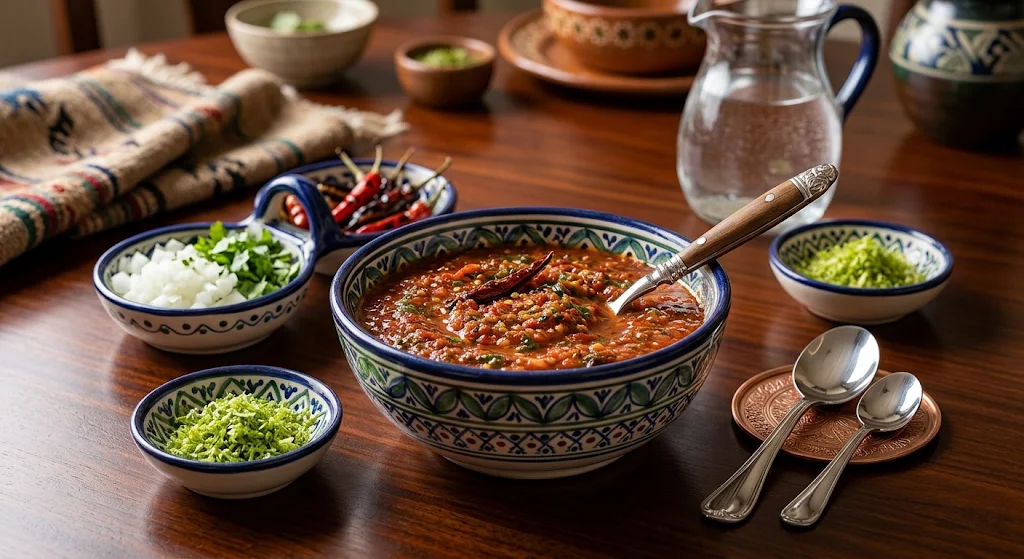
Salsa roja is a classic red sauce made with tomatoes, red chilies, garlic, and onions. Depending on the recipe, the ingredients may be roasted, boiled, or lightly fried before blending.
It has a rich tomato flavor with a pleasant spicy finish. It works particularly well with tacos, enchiladas, grilled meats, and tortilla chips.
3.2 Salsa Verde
Salsa verde is prepared mainly with green tomatillos, green chilies, cilantro, onion, and garlic. Its flavor is fresh, slightly sour, and refreshing.
Some versions are mild, while others contain serrano peppers for additional heat. It is especially delicious with chicken tacos, pork dishes, and quesadillas.
3.3 Chile de Árbol Sauce
This variety uses dried chile de árbol peppers as its main ingredient. The peppers are usually toasted briefly and blended with garlic, tomatoes, vinegar, or water.
It has a strong chili flavor and noticeable heat. A small amount can add plenty of spice to tacos, grilled vegetables, and meat dishes.
3.4 Chipotle Sauce
Chipotle sauce is known for its smoky and slightly sweet flavor. It is made using smoked jalapeños, often combined with tomatoes, garlic, vinegar, and other seasonings.
It pairs beautifully with grilled chicken, burgers, burritos, and roasted vegetables.
3.5 Habanero Sauce
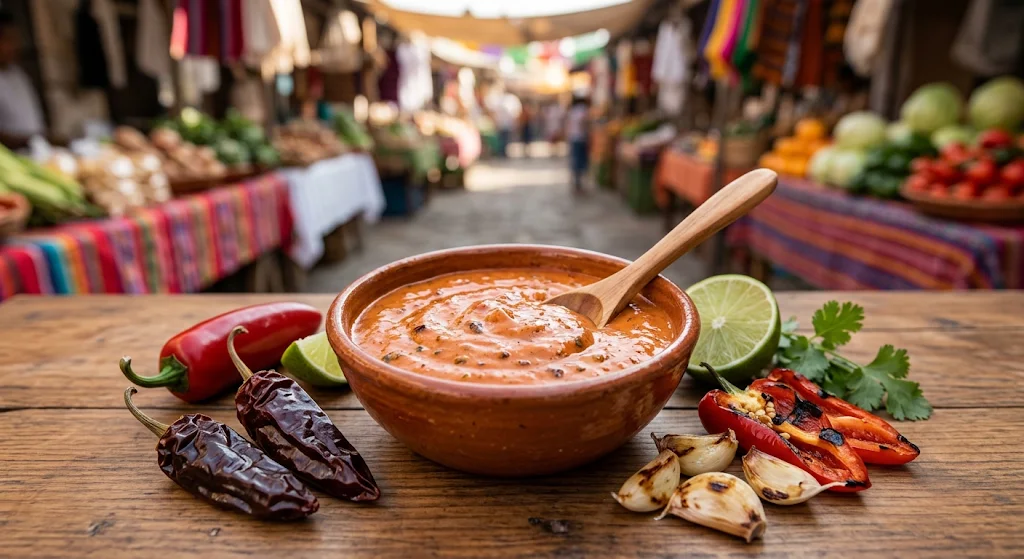
Habanero peppers are considerably hotter than jalapeños and have a fruity, slightly citrusy flavor.
This sauce is particularly popular in the Yucatán Peninsula, where habanero peppers are an important part of regional cooking. It is delicious with grilled fish, seafood, and tacos.
3.6 Salsa Macha
Salsa macha is a flavorful oil-based Mexican condiment that often contains dried chilies, garlic, nuts, and seeds.
Unlike smooth blended sauces, it usually has a crunchy texture. Its taste is rich, nutty, and spicy, making it an excellent topping for eggs, vegetables, and grilled meats.
3.7 Yucatecan Habanero Sauce
This regional sauce commonly combines habanero peppers with citrus juice, onion, and other seasonings.
It has a bright, tangy flavor and a powerful level of heat. It is often served with traditional Yucatecan dishes and seafood.

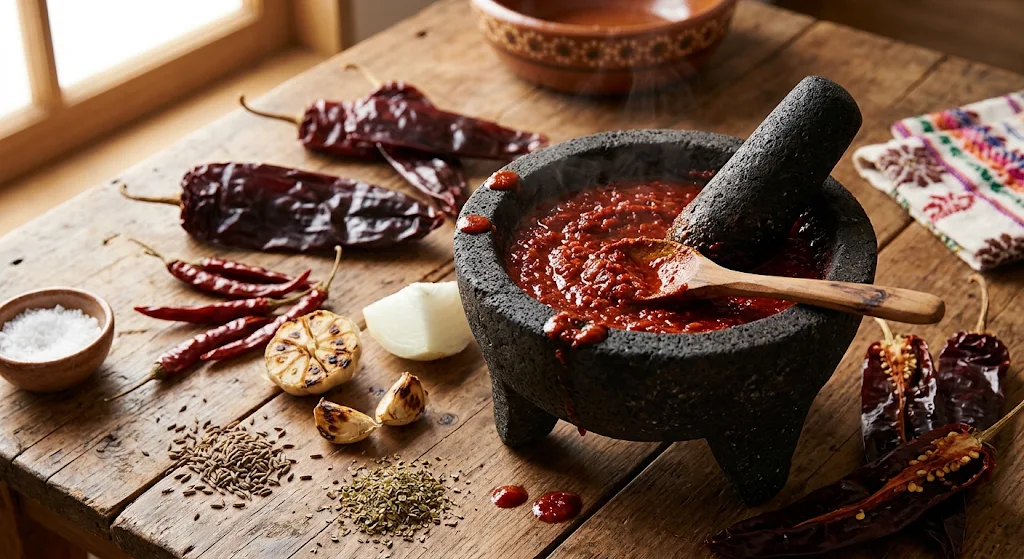
4. How to Make an Authentic Mexican Hot Chili Sauce Recipe
Making homemade sauce is easier than many people think. With a few basic ingredients and simple preparation steps, you can create a flavorful condiment for your favorite meals.
Ingredients
- 10 dried chile de árbol peppers
- 2 medium tomatoes
- 2 garlic cloves
- ¼ small white onion
- 2 tablespoons white vinegar
- ¼ cup water
- ½ teaspoon salt
- 1 teaspoon vegetable oil
Step-by-Step Instructions
Step 1: Prepare the chilies
Remove the stems from the dried peppers. If you prefer less heat, remove some of the seeds. Wear gloves if you are sensitive to chili oils.
Step 2: Toast the peppers
Heat a dry pan over medium-low heat. Add the chilies and toast them briefly, turning frequently. Avoid burning them because burnt chilies can make the sauce bitter.
Step 3: Cook the vegetables
Add the tomatoes, garlic, and onion to a pan. Cook until the tomatoes soften and develop a little color.
Step 4: Blend everything
Place the toasted peppers and cooked vegetables in a blender. Add vinegar, water, and salt. Blend until the mixture becomes smooth.
Step 5: Adjust the flavor
Taste the sauce and add a little more salt or vinegar if needed. Add water gradually if you prefer a thinner consistency.
Step 6: Cook the sauce
Heat the vegetable oil in a saucepan. Carefully add the blended mixture and simmer for approximately five minutes, stirring occasionally.
Step 7: Cool and serve
Allow the sauce to cool before transferring it into a clean container. Serve it with tacos, grilled chicken, quesadillas, or tortilla chips.
This recipe produces a flavorful sauce that you can easily adjust according to your preferences.
5. Best Mexican Hot Sauce Brands to Try
If you do not have time to prepare homemade sauce, several established brands offer convenient options. Each has its own flavor, texture, and heat level.
Valentina: This popular Mexican brand is known for its tangy flavor and balanced heat. It is commonly enjoyed with chips, snacks, and everyday meals.
Cholula: Cholula is recognized for its distinctive wooden cap and balanced combination of chili peppers and spices. It works well with eggs, tacos, and grilled foods.
Tapatío: This brand offers a classic chili-forward flavor with vinegar and garlic notes. It is a popular choice for people who enjoy traditional bottled table sauces.
El Yucateco: Known for its habanero-based sauces, this brand offers several varieties with different flavors and heat levels. Some products are particularly spicy.

Salsa Huichol: This Mexican brand is especially associated with seafood-friendly sauces. Its products are commonly paired with shrimp, fish, and other coastal dishes.
When choosing between Mexican hot sauce brands, consider the heat level, flavor, and type of food you plan to serve.
6. Mexican Table Sauce: How Is It Different from Salsa?
Mexican table sauce is a condiment served directly at the dining table so people can add flavor to their meals according to their preferences.
It may be a bottled chili sauce, a freshly prepared salsa, or a regional pepper-based condiment. Restaurants often provide different options so customers can choose their preferred level of heat.
Salsa can also be served at the table, but the word describes a broader category of sauces and mixtures. Some salsas contain fresh tomatoes, onions, cilantro, and peppers, while others are cooked or roasted.
The main difference is how the terms are used. Table sauce describes the serving purpose, whereas salsa describes a type of condiment.
Both are delicious with tacos, quesadillas, grilled meats, and tortilla chips.

7. Mild Hot Sauce vs. Extra Spicy Varieties
Not everyone enjoys extremely spicy food. Fortunately, Mexican cuisine offers plenty of options for different taste preferences.
Mild hot sauce usually contains fewer hot peppers or uses varieties with lower heat levels. Jalapeños are a popular choice because they provide flavor without overwhelming the other ingredients.
On the other hand, extra-spicy varieties may contain habaneros or other hotter chilies. These sauces are ideal for people who enjoy strong heat.
If you are preparing a homemade recipe, start with a smaller quantity of hot peppers. You can always add more after tasting the mixture.
Another useful trick is to combine spicy peppers with tomatoes, onions, or other ingredients to create a more balanced flavor.

8. Is Chipotle the Hottest Salsa? Understanding Different Heat Levels
Chipotle is famous for its smoky flavor, but that does not necessarily make it the hottest chili sauce.
Chipotle peppers are smoked jalapeños. Their heat is generally moderate compared with habanero peppers, which can be significantly hotter.
Chile de árbol also provides noticeable heat and is frequently used in spicy Mexican recipes.
The Scoville scale is a measurement used to compare the heat of chili peppers. It measures the concentration of capsaicin, the compound responsible for the burning sensation.
When selecting a sauce, remember that flavor matters just as much as heat. A smoky chipotle sauce may be a better choice for grilled chicken, while a fruity habanero sauce may work better with seafood.
9. Mexican Hot Sauce vs. Louisiana-Style Hot Sauce
Mexican and Louisiana-style sauces both add spice to food, but their ingredients and traditional flavor profiles can be different.
Mexican varieties often feature fresh or dried chilies, including jalapeños, serranos, chipotles, and habaneros. Some also include tomatoes, tomatillos, garlic, and onions.
Louisiana-style hot sauce typically uses red chili peppers, vinegar, and salt. Its flavor is usually tangy, simple, and relatively thin.
Both styles can be delicious, depending on the meal. Mexican varieties are particularly suitable for tacos, enchiladas, and other Mexican dishes, while Louisiana-style sauce is commonly used with fried chicken, seafood, and eggs.
Neither style is automatically better. The best choice depends on your personal taste and the food you are serving.
10. Best Ways to Serve Mexican Hot Sauce
A good sauce can make an ordinary meal more exciting. You do not need complicated recipes to enjoy its flavor.
Here are some delicious serving ideas:
Tacos: Add a spoonful to chicken, beef, pork, or vegetable tacos.
Quesadillas: Drizzle a little over melted cheese and tortillas.
Burritos: Use it as a topping or mix it with other fillings.
Grilled chicken: Brush a suitable sauce over cooked chicken or serve it on the side.
Eggs: Add a few drops to scrambled or fried eggs.
Nachos: Serve it alongside tortilla chips, melted cheese, and fresh toppings.
Seafood: Pair citrusy or habanero-based sauces with grilled fish and shrimp.
You can also mix a small amount with mayonnaise or sour cream to create a creamy dipping sauce.
11. How to Store Homemade Mexican Hot Sauce
Proper storage helps maintain the quality and freshness of homemade sauce.
Always transfer cooled sauce into a clean, airtight container and refrigerate it promptly. Use clean utensils whenever you serve it to reduce contamination.
Homemade sauces do not necessarily have the same shelf life as commercially bottled products. Their storage time depends on the ingredients, acidity, preparation, and handling.
Follow a tested recipe’s storage instructions, and do not assume that adding vinegar makes a homemade sauce shelf-stable.
If you notice mold, an unusual smell, or unexpected changes in appearance, discard the sauce.
Frequently Asked Questions
1. What is traditional Mexican hot sauce made of?
Traditional varieties commonly contain chili peppers, tomatoes or tomatillos, garlic, onions, salt, and sometimes vinegar or lime juice. Ingredients vary depending on the regional recipe.
2. What is the most popular Mexican hot sauce?
Valentina, Cholula, and Tapatío are among the well-known Mexican hot sauce brands. Their flavor profiles and heat levels differ, so personal preference plays an important role.
3. Is Mexican hot sauce hotter than American hot sauce?
Not always. Heat depends on the chili peppers and recipe rather than the country of origin. Some Mexican varieties are mild, while others contain very hot habanero peppers.
4. What is the best chili for homemade Mexican hot sauce?
Chile de árbol is an excellent choice for a spicy traditional sauce. Jalapeños are suitable for milder recipes, while habaneros provide considerably more heat.
5. What is the difference between salsa and hot sauce?
Salsa is a broad category of sauces that can be fresh, cooked, chunky, or smooth. Hot sauce generally refers to a condiment specifically designed to provide chili heat.
6. What is the Mexican condiment crossword clue answer?
Salsa is a common answer for a Mexican condiment crossword clue. However, the correct answer depends on the number of letters and the other clues in the puzzle.
Conclusion
Mexican sauces are an important part of the country’s food culture, bringing together different chilies, vegetables, spices, and regional cooking traditions. From smoky chipotle and tangy salsa verde to fiery habanero varieties, there is something for almost every taste preference.
Making your own sauce at home is also a simple way to explore authentic Mexican flavors. Start with basic ingredients, adjust the heat according to your preference, and experiment with different combinations.
Whether you choose a popular bottled brand or prepare a fresh homemade recipe, the right sauce can make tacos, grilled meats, and everyday meals much more enjoyable.