Picadas: 9 Powerful Tips for Authentic Mexican Flavor & Easy Homemade Cooking
Picadas are a delicious example of how simple ingredients create memorable Mexican food. Commonly associated with Veracruz, Mexico, these traditional snacks are made from corn masa shaped into small discs, cooked on a griddle, and topped with flavorful salsa, cheese, and onion. Their soft centers, lightly toasted surfaces, and fresh toppings make them satisfying without complicated cooking.
If you enjoy Mexican food, learning how to prepare picadas at home is a great way to explore regional cooking. You can keep them traditional with salsa and cheese or add beans, vegetables, or seasoned meat for a heartier meal. This guide explains the ingredients, preparation method, topping ideas, and practical tips for getting delicious results.
What Are Picadas?
Picadas are small, thick corn-masa rounds cooked on a hot griddle and pinched around the edges to form a shallow border. The border helps hold toppings such as salsa, crumbled cheese, and chopped onion. They are especially associated with Veracruz and are enjoyed as an antojito, meaning a Mexican snack or small meal.
Although picadas and sopes can look similar, their shapes, toppings, and preparation methods vary by region and household. Picadas are often served simply with salsa and a few toppings.
They are also different from pico de gallo. Pico de gallo is a fresh mixture of chopped tomatoes, onions, cilantro, chili peppers, and lime juice. It can complement a masa-based dish, but it is not the main ingredient that defines it.
Ingredients You Need for Homemade Picadas
The basic ingredient list is short, and you can adjust the toppings to suit your taste.
- Masa harina or fresh masa: This forms the corn base. If using masa harina, follow the package directions for the amount of water.
- Warm water: Add gradually until the dough becomes soft and pliable.
- Salt: Optional, depending on your masa and personal preference.
- Salsa roja or salsa verde: Choose a flavorful salsa that is not too watery.
- Queso fresco: Crumbled Mexican cheese adds a mild, creamy finish.
- White onion: Finely chopped onion adds freshness and a little bite.
- Cilantro: Optional, for a fresh herbal flavor.
- Optional extras: Refried beans, cooked chicken, or seasoned beef can make the dish more filling.
How to Make Authentic Mexican Picadas at Home
This simple recipe makes approximately eight small portions, depending on the size of each disc.
Ingredients
- 2 cups masa harina
- Approximately 1½ cups warm water, added as needed
- ½ teaspoon salt, optional
- ¾ cup salsa roja or salsa verde
- ½ cup crumbled queso fresco
- ¼ cup finely chopped white onion
- Chopped cilantro, optional
- Refried beans or cooked meat, optional
Step 1: Prepare the Masa Dough
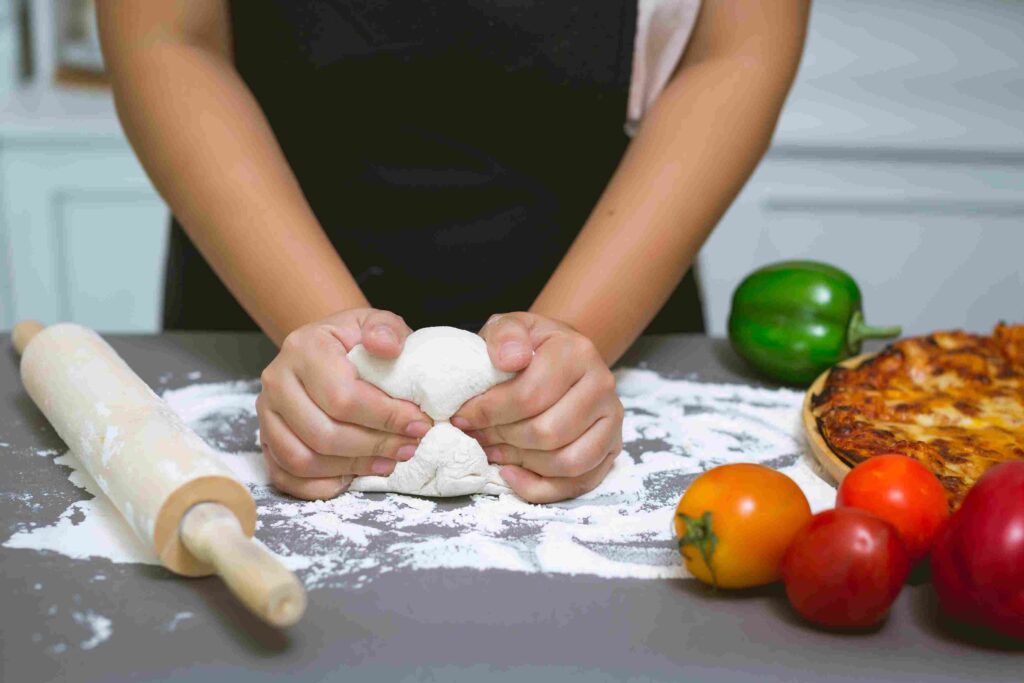
Place the masa harina in a bowl and add salt if desired. Gradually pour in the warm water, mixing until a soft dough forms.
Knead for a few minutes until the dough becomes smooth. If it cracks when pressed, add a little more water. If it feels excessively sticky, let it rest briefly or adjust it with a small amount of masa harina.
Cover the dough with a clean kitchen towel while preparing the cooking surface. This prevents it from drying out.
Step 2: Shape the Corn Discs
Divide the dough into eight equal portions and roll each portion into a ball. Flatten each ball into a small, thick disc using your hands or a tortilla press lined with plastic.
Keep the discs evenly sized so they cook at a similar rate. Smooth any cracked edges with damp fingers before cooking.
Step 3: Cook on a Hot Griddle
Heat a comal or heavy skillet over medium heat. Cook the discs for a few minutes on each side until they develop light brown spots and are cooked through.
The exact timing depends on their thickness and the heat of your pan. Watch their texture rather than relying only on the clock. Avoid cooking them so long that they become hard.
Step 4: Pinch the Edges
While the discs are still warm and safe to handle, carefully pinch around their edges to create a raised border. This traditional shape helps keep the salsa in place.
Work gently to avoid tearing the masa. If a disc cools too much to shape, return it briefly to the warm griddle. Always handle hot food carefully to prevent burns.
Step 5: Add Toppings and Serve
Spread a spoonful of salsa over each disc, then add chopped onion and crumbled queso fresco.
For a heartier version, spread a thin layer of refried beans underneath the salsa. You can also add cooked shredded chicken or seasoned beef.
Serve immediately with extra salsa on the side so everyone can adjust the flavor and heat according to personal preference.
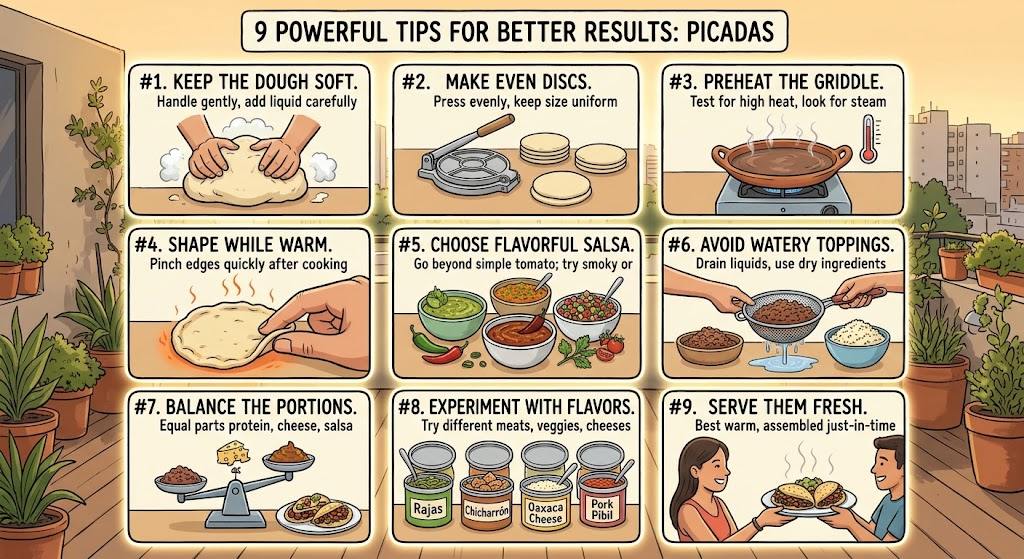
9 Powerful Tips for Better Results
1. Keep the Dough Soft
Masa that is too dry can crack and produce a crumbly base. Add water a little at a time until the dough feels soft and flexible.
2. Make Even Discs
Try to shape every portion to a similar thickness. Even sizing helps the dough cook consistently and makes serving easier.
3. Preheat the Griddle
A properly heated surface helps the masa develop lightly toasted spots without drying it out. If the pan is too cool, the discs may lose moisture before cooking properly.
4. Shape While Warm
Pinch the edges before the discs cool and become firm. Work carefully because the masa may still be hot.
5. Choose Flavorful Salsa
Salsa is one of the main toppings, so its quality matters. Use a homemade salsa or a good-quality prepared option with a flavor you enjoy.
6. Avoid Watery Toppings
Excess liquid can make the corn base soggy. Choose a thicker salsa or drain excess liquid before adding it.
7. Balance the Portions
A modest amount of cheese, onion, and salsa allows the flavor of the corn to shine through. Avoid adding so many ingredients that the base becomes difficult to handle.
8. Experiment With Different Flavors
Try red salsa one day and green salsa another. Beans, vegetables, and cooked meat offer additional variety without changing the basic preparation.
9. Serve Them Fresh
These corn snacks taste best when the masa is warm and the toppings are fresh. Add the salsa shortly before serving to maintain the best texture.
Popular Topping Ideas
Traditional Salsa and Cheese
For a simple preparation, use salsa roja or salsa verde, finely chopped white onion, and queso fresco. This combination keeps the focus on the corn base and is easy to prepare for a quick snack.
Refried Beans
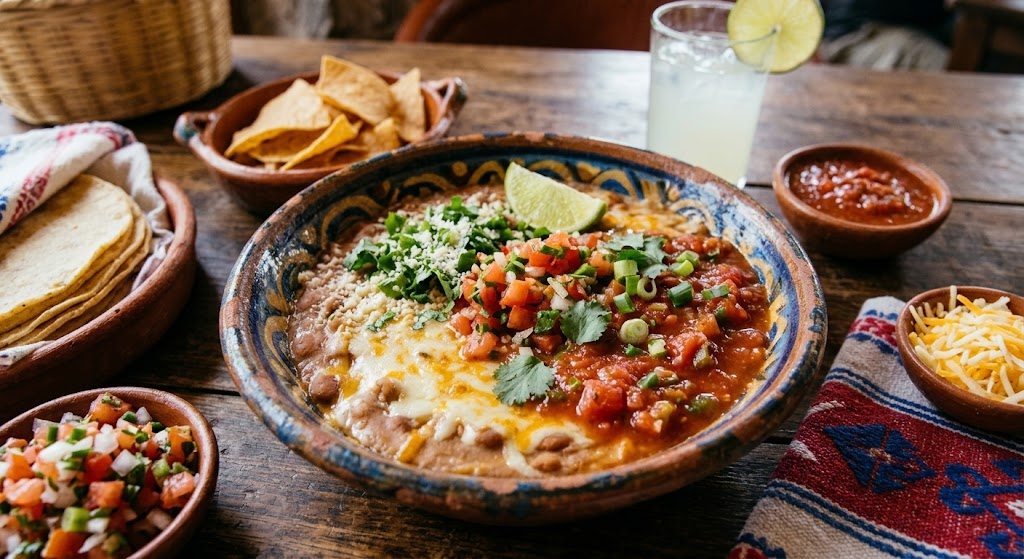
Spread a thin layer of refried beans over the cooked masa before adding salsa and cheese. Beans provide a creamy texture and make the dish more filling.
If you follow a vegetarian diet, check that your refried beans do not contain animal-derived ingredients.
Chicken and Vegetarian Toppings
Seasoned shredded chicken is a convenient option for a more substantial meal. For a meat-free variation, use beans, sautéed mushrooms, cooked peppers, or other vegetables.
Add toppings in moderate amounts so the corn base remains easy to pick up and eat.
Carne Picada and Beef
Carne picada generally refers to chopped or finely cut meat, although the exact meaning varies by region and recipe.
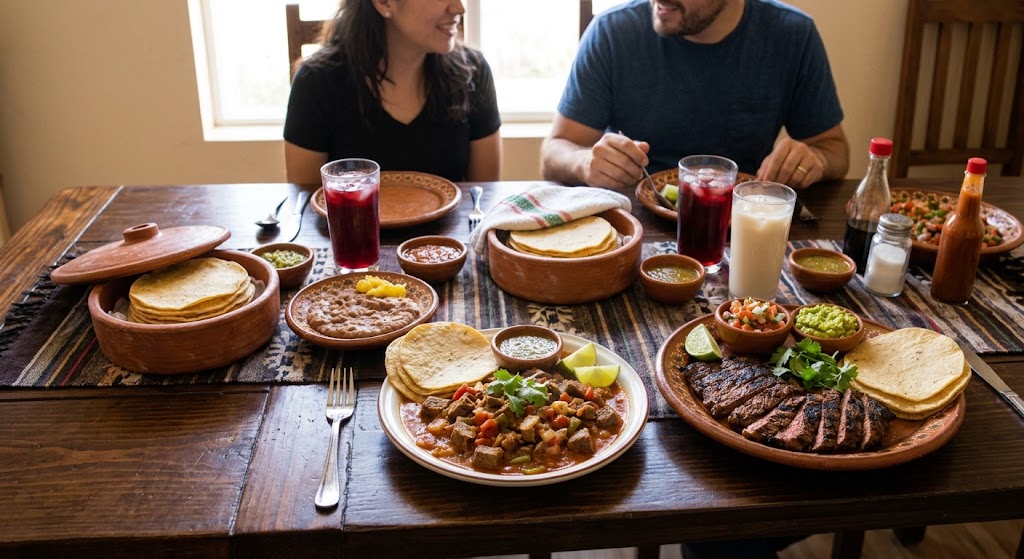
To make a beef topping, cook small pieces of beef with onion, garlic, cumin, and your preferred seasonings until tender and fully cooked. Spoon a small amount over salsa-topped masa and finish with cheese or fresh onion.
People searching for beef carne picada recipes may enjoy this topping idea. However, carne picada is optional rather than a required ingredient in traditional Mexican picadas.
Prepare the beef separately and avoid adding excess cooking liquid to the corn base.
Pico de Gallo and Fresh Salsa Ideas
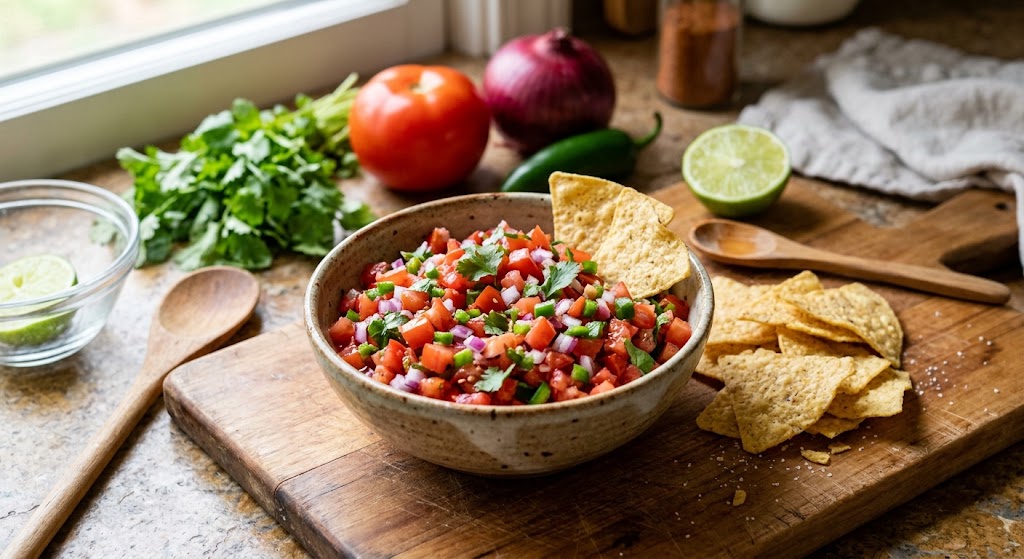
Pico de gallo is a fresh Mexican condiment usually made with diced tomatoes, white onion, cilantro, lime juice, and finely chopped jalapeño or serrano pepper.
To prepare it, combine the chopped ingredients in a bowl, season with salt, and allow the mixture to rest briefly. This gives the flavors time to blend.
A spoonful of fresh pico de gallo adds a bright, refreshing contrast to warm corn masa.
Chipotle Pico de Gallo Recipe
For a smoky variation, mix a small amount of finely chopped chipotle pepper in adobo sauce into a classic pico de gallo.
Chipotle has a strong smoky flavor and can add considerable heat, so start with a little and taste before adding more.
If you are looking for a copycat Chipotle pico de gallo recipe, fresh tomatoes, onion, cilantro, lime juice, and salt provide a useful starting point. Adjust the proportions according to your taste.
Remember that a traditional fresh tomato salsa and a restaurant-inspired version may use different ingredient proportions.
Mango Pico de Gallo Recipe
For a sweet-and-spicy variation, combine diced ripe mango with tomato, onion, cilantro, lime juice, and a little chili.
Mango adds sweetness and a juicy texture that contrasts with the acidity of lime and the heat of the pepper. Serve a small amount alongside your corn snacks for a refreshing flavor combination.
This is an optional variation rather than a defining traditional topping.
What to Serve With Picadas
These snacks can be enjoyed alone or served with side dishes for a fuller meal.
Mexican rice, refried beans, grilled vegetables, guacamole, and extra salsa are suitable choices. For a refreshing drink, try agua fresca or another nonalcoholic beverage.
Choose sides that complement the corn masa instead of overwhelming its flavor. For family meals, serving several toppings separately allows everyone to customize their portions.
Common Mistakes to Avoid
A dough that is too dry may crack during shaping, so add water gradually until it feels pliable.
Cooking over low heat can dry the discs before they brown, while excessive heat may darken the outside before the center cooks. Use medium heat and adjust it as necessary.
Pinch the borders while the masa is warm, and avoid adding too much watery salsa. Finally, do not overload each disc. A few balanced toppings are often better than a large pile of ingredients.
Frequently Asked Questions
What are Mexican picadas made of?
They are generally made from corn masa shaped into small discs, cooked on a griddle, and pinched around the edges. Salsa, cheese, and onion are common toppings, although recipes vary.
Are picadas the same as sopes?
No. Both are masa-based Mexican foods, and their shapes can overlap. Picadas are strongly associated with Veracruz and are often served with salsa and simple toppings. Sopes commonly have a thicker base and a variety of toppings.
What is the difference between picadas and carne picada?
Picadas are a prepared masa-based dish. Carne picada refers to chopped or finely cut meat in many Spanish-language cooking contexts. The meat can be used as an optional topping, but the terms describe different things.
Can I prepare them ahead of time?
You can prepare the dough ahead and keep it covered in the refrigerator for a short period. For the best texture, cook, top, and serve the finished dish close to mealtime.
Which salsa works best?
Salsa roja and salsa verde are both good options. Red salsa often has a deeper tomato-and-chili flavor, while green salsa can be tangier. Choose one that complements your preferred toppings.
Can I use pico de gallo as a topping?
Yes. Pico de gallo adds fresh tomato, onion, cilantro, and lime flavor. Add it just before serving to help prevent the masa from becoming soggy.
Conclusion
Picadas show how Mexican cooking can turn a few everyday ingredients into a flavorful dish. Their corn masa base, pinched edges, and simple toppings make them approachable for home cooks, while salsa, beans, vegetables, and meat offer plenty of room for variation.
Start with salsa, cheese, and onion, then try other toppings once you are comfortable shaping and cooking the masa. Keep the dough soft, use a properly heated griddle, and serve the finished dish warm for the best texture and flavor.