Pan Dulce: 9 Best Mexican Sweet Breads, Authentic Flavors & Easy Recipe
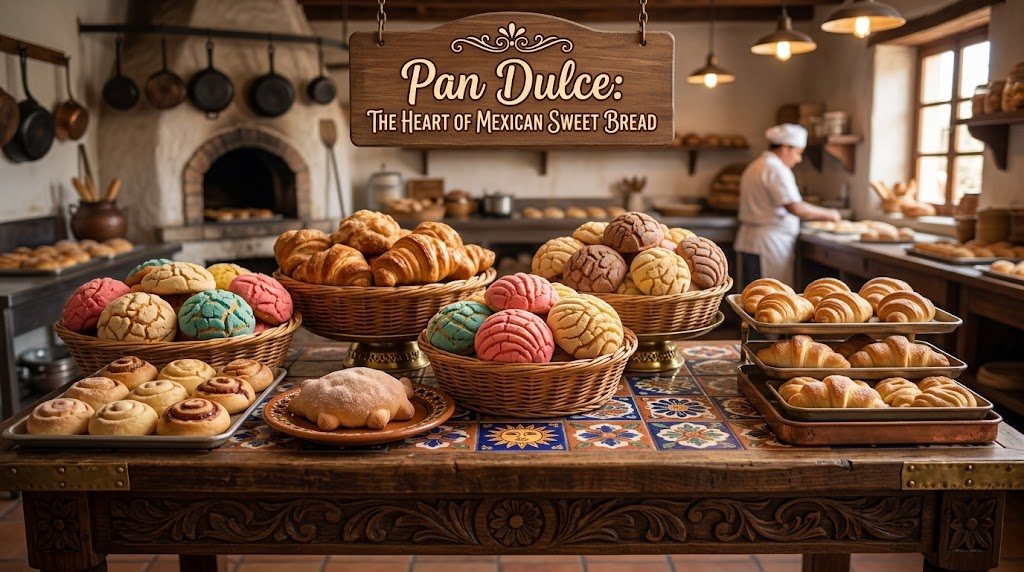
Pan dulce is one of the most beloved treats in Mexican food culture. These sweet breads come in different shapes, sizes, colors, and flavors, making them a favorite choice for breakfast or an afternoon snack. From the famous conchas with their shell-like toppings to flaky pastries covered in sugar, every variety offers something special.
One of the best things about pan dulce is that you can enjoy it in many ways. Some varieties are soft and fluffy, while others are crisp, buttery, or slightly crumbly. They are often served with coffee, warm milk, or Mexican hot chocolate, making them perfect for a relaxing morning or a family gathering.
If you have ever visited a Mexican bakery, you have probably seen trays filled with these delicious baked treats. In this guide, you will discover what makes Mexican sweet bread special, explore nine popular varieties, and learn a simple homemade recipe you can try in your own kitchen.
What Is Pan Dulce?
Pan dulce is the Spanish term for sweet bread. It refers to a wide variety of Mexican baked goods prepared with ingredients such as flour, sugar, butter, eggs, milk, and yeast. Some varieties have sweet toppings, while others feature fillings, flaky layers, or decorative shapes.
Unlike ordinary sandwich bread, pan dulce is made to be enjoyed as a treat. Its sweetness and texture depend on the particular variety. Some breads are soft and airy, while others have a crisp exterior or a delicate crumb.
Mexican bread pan dulce is also closely connected to local bakeries, family traditions, and everyday life. Many people enjoy buying fresh bread from a neighborhood panadería and choosing different shapes for the family to share.
Although recipes vary between bakeries and regions, the goal is usually the same: to create flavorful, satisfying baked goods that pair beautifully with a warm drink.
A Brief History of Mexican Pan Dulce
Mexican sweet bread developed through a mixture of culinary traditions. Spanish baking techniques introduced during the colonial period influenced local breadmaking, while later European influences, including French baking, helped shape some of the pastries found in Mexican bakeries today.
Over time, Mexican bakers adapted these techniques using local ingredients, creative designs, and regional preferences. The result was a diverse collection of sweet breads that became an important part of Mexican food culture.
Today, pan dulce is available in traditional neighborhood bakeries, supermarkets, and specialty shops. Some families have favorite bakeries they visit regularly, while others prepare particular varieties at home for celebrations or weekend breakfasts.
These breads are more than desserts. They represent a familiar part of daily life, bringing people together over coffee, conversation, and freshly baked treats.
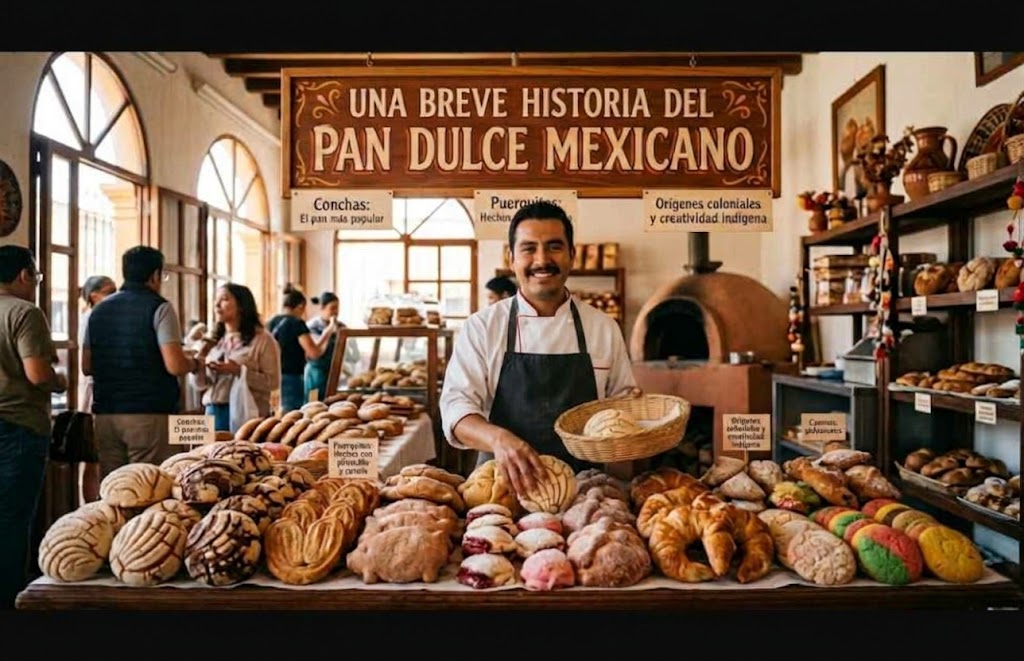
9 Different Types of Pan Dulce You Should Try
One of the most enjoyable things about Mexican sweet bread is its variety. Each type has a distinctive appearance, texture, or flavor.
1. Conchas
Conchas are among the most recognizable Mexican sweet breads. Their name means shells, referring to the decorative pattern on their sweet topping.
They are usually made with soft, slightly sweet yeast dough covered with a mixture of flour, sugar, and butter. The topping may be white, pink, yellow, chocolate, or another color, depending on the bakery.
A freshly baked concha has a tender interior and a slightly crumbly topping. It is delicious with coffee, milk, or hot chocolate.
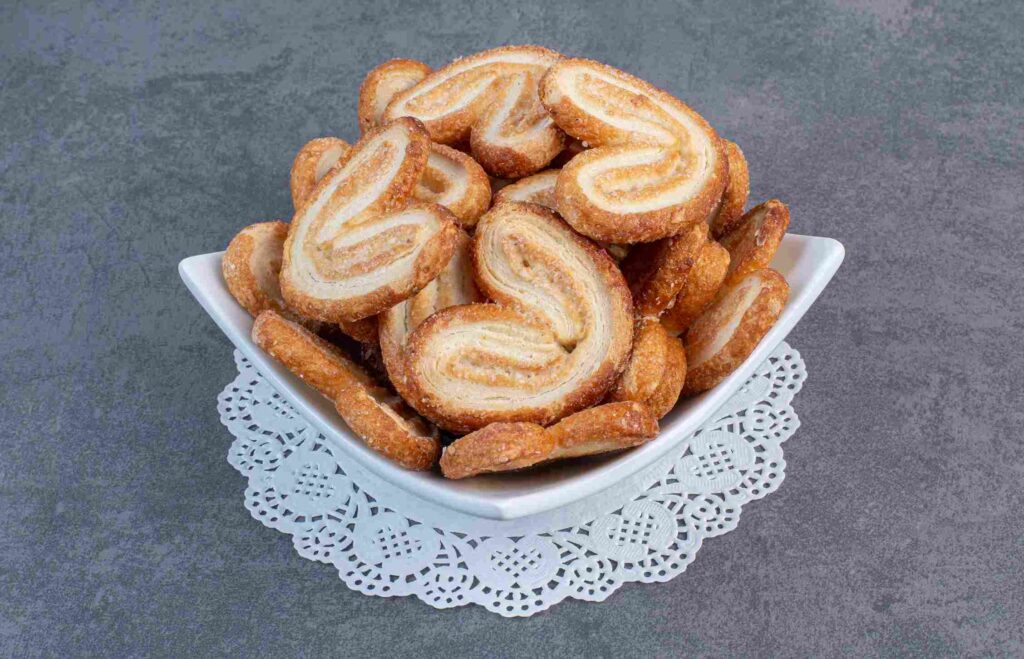
2. Orejas Pan Dulce
Orejas pan dulce are thin, flaky pastries shaped like ears. They are similar to palmiers and are generally made by folding puff pastry with sugar before baking.
During baking, the layers become crisp and golden, while the sugar caramelizes to create a delicate sweetness. Their crunchy texture makes them different from the softer yeast-based varieties.
Orejas are a good choice if you prefer light, crispy pastries instead of rich, fluffy bread.
3. Cuernos Pan Dulce
Cuernos pan dulce are crescent-shaped Mexican pastries. The word cuerno means horn, describing their curved shape.
Depending on the bakery, cuernos may have a soft, bread-like texture or a richer, buttery finish. Some versions are lightly sweet, making them suitable for breakfast or an afternoon snack.
They are often enjoyed plain, although recipes and bakery styles can differ.
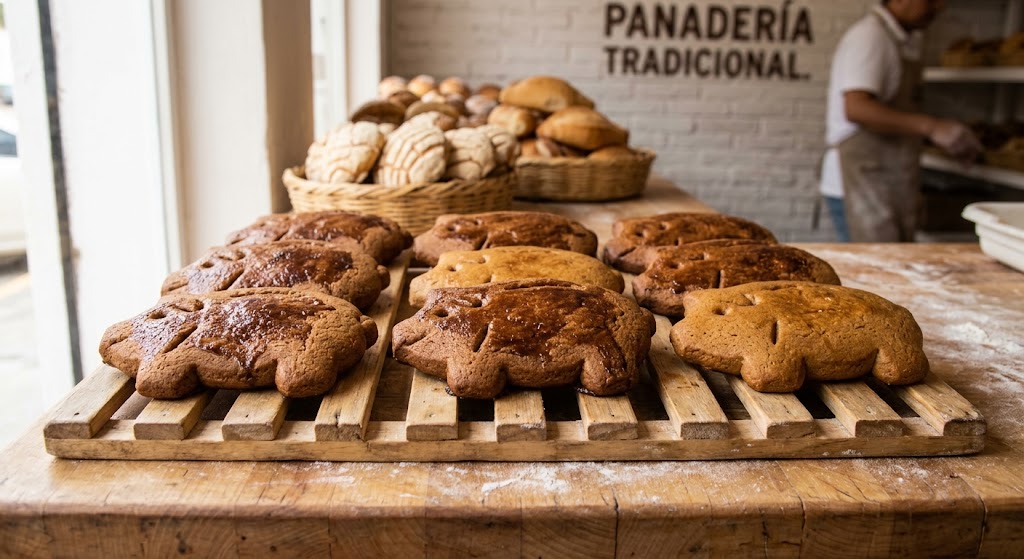
4. Marranitos
Marranitos are pig-shaped Mexican cookies or sweet breads traditionally flavored with piloncillo, an unrefined cane sugar commonly used in Mexican cooking.
Their flavor is warm and caramel-like, and some recipes include cinnamon or other spices. Marranitos are usually darker than many other sweet breads because of the sugar used in the dough.
Their playful shape makes them popular with children and adults alike. They are especially enjoyable with coffee or a glass of milk.
5. Cuernitos
Cuernitos are small, crescent-shaped pastries commonly found in Mexican bakeries. They may resemble miniature croissants, but their ingredients, sweetness, and texture depend on the recipe.
Some versions are soft and bread-like, while others are buttery and flaky. Their mild flavor makes them a versatile choice for breakfast.
If you enjoy pastries that are not excessively sweet, cuernitos may be worth trying.
6. Polvorones
Polvorones are crumbly Mexican cookies often sold alongside other bakery treats. Their name is associated with their powdery texture.
Depending on the recipe, they may contain butter or shortening, sugar, flour, and flavorings such as cinnamon or vanilla. Some varieties have a nutty flavor or a lightly colored exterior.
Although polvorones are technically cookies rather than traditional yeast breads, they are commonly associated with the broader Mexican bakery tradition.
7. Besos
Besos, meaning kisses in Spanish, are sweet bakery treats often made by joining two small pieces of soft bread with a filling or sweet coating.
Some versions use jam or another filling, while others feature a sugary exterior or coconut coating. Recipes can vary significantly between bakeries.
Their soft texture and sweet flavor make them a pleasant option for people who enjoy filled pastries.
8. Rebanadas
Rebanadas are slices of bread, and the term can describe several bakery preparations. In Mexican bakeries, a familiar version consists of a slice of bread topped with a sweet layer, sometimes made with meringue or another sugary mixture.
The combination of soft bread and a sweet topping makes rebanadas different from plain rolls or loaves.
Because the exact preparation varies, it is worth asking a local bakery about its particular version.
9. Empanadas Dulces
Empanadas dulces are sweet pastries filled with ingredients such as fruit preserves, pumpkin, or other sweet mixtures.
The dough may be tender or flaky, depending on the recipe. Common fillings include pineapple, apple, guava, or pumpkin prepared with sugar and spices.
These pastries offer a little more variety in every bite because the filling adds moisture and flavor. They are a delicious choice for anyone who enjoys fruit-filled desserts.
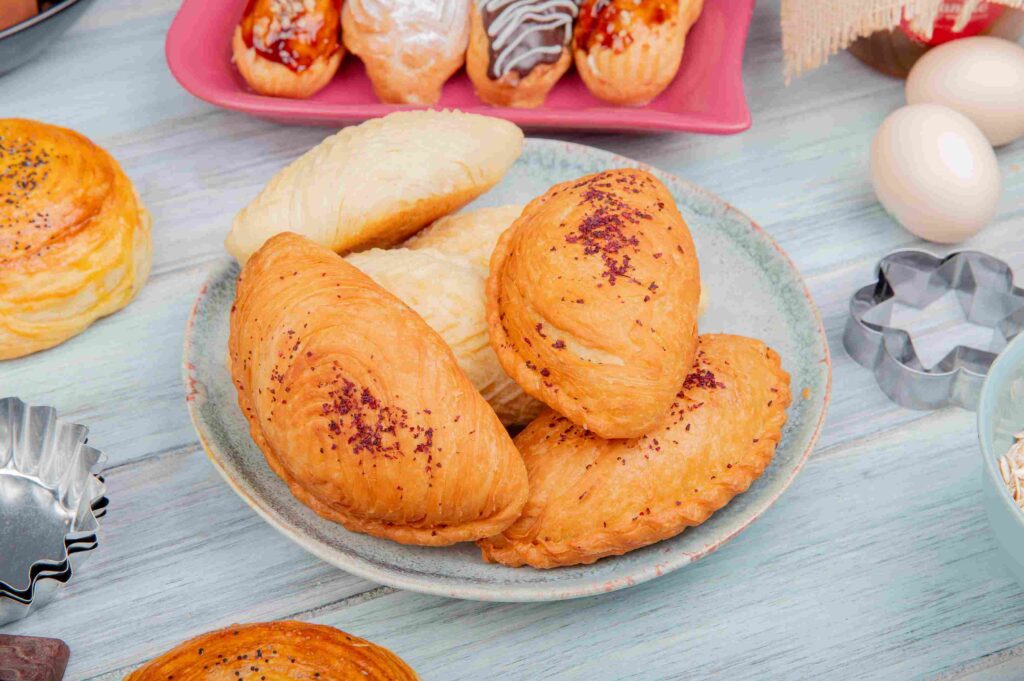
Mexican Pan Dulce Recipe: Ingredients You Need
Making sweet bread at home takes some patience, but the process can be rewarding. This beginner-friendly recipe creates soft, lightly sweetened rolls with a simple topping inspired by the style used on conchas.
Ingredients for the Bread Dough
- 3 cups all-purpose flour, plus a little extra if needed
- 2¼ teaspoons active dry yeast
- ¼ cup granulated sugar
- ¾ cup warm milk
- 1 large egg
- ¼ cup softened unsalted butter
- ½ teaspoon salt
- 1 teaspoon vanilla extract
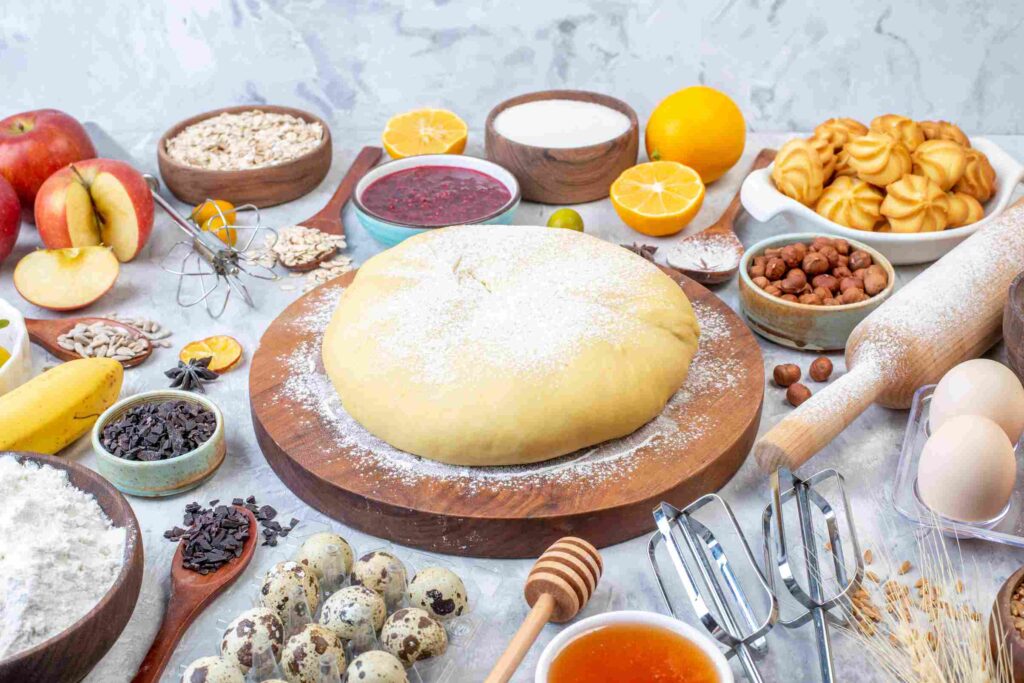
Ingredients for the Sweet Topping
- ½ cup all-purpose flour
- ½ cup powdered sugar
- ¼ cup softened unsalted butter
- ½ teaspoon vanilla extract
- 1 teaspoon cocoa powder, optional
These are approximate starting quantities. Flour absorption and dough consistency can vary, so small adjustments may be necessary.
How to Make Mexican Bread Pan Dulce at Home
Follow these steps to prepare a simple homemade version of Mexican sweet bread.
Step 1: Activate the Yeast
Place the warm milk in a bowl and add the yeast with a small amount of the measured sugar. Let it stand according to the yeast package instructions.
The milk should feel warm rather than hot. Excessive heat can damage the yeast and prevent the dough from rising properly.
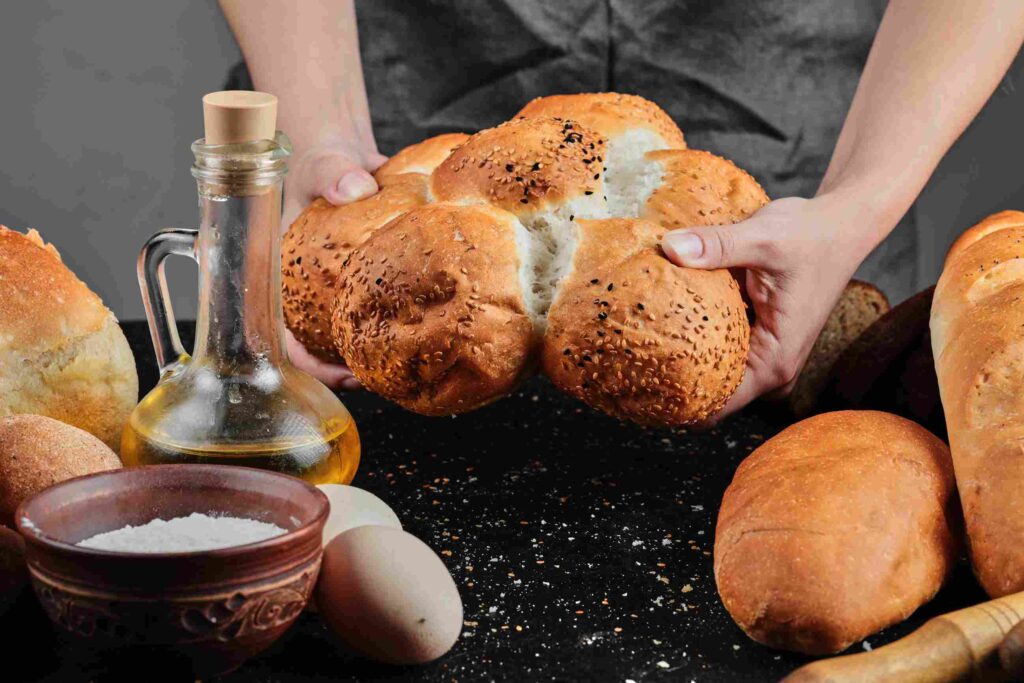
Step 2: Mix the Dough Ingredients
In a large bowl, combine the flour, remaining sugar, and salt. Add the yeast mixture, egg, softened butter, and vanilla extract.
Mix until a rough dough forms. If the mixture looks slightly sticky at first, do not immediately add large amounts of extra flour.
Step 3: Knead the Dough
Transfer the dough to a lightly floured surface and knead until it becomes smooth and elastic. This may take approximately 8–10 minutes by hand.
The dough should feel soft and manageable. Kneading helps develop the structure needed for a light, tender interior.
Step 4: Let the Dough Rise
Place the dough in a lightly greased bowl and cover it with a clean kitchen towel or plastic wrap.
Leave it in a warm place until it has approximately doubled in size. Depending on room temperature and yeast activity, this may take around 1–2 hours.
Step 5: Shape the Bread
Gently press the dough to release excess gas, then divide it into eight equal portions.
Shape each portion into a smooth ball and arrange the pieces on a baking tray lined with parchment paper. Leave enough space between them to allow for expansion.
Step 6: Prepare the Sweet Topping
Mix the softened butter, powdered sugar, flour, and vanilla extract until a smooth paste forms.
If you want a chocolate topping, mix the optional cocoa powder into part of the paste. Divide the topping into portions and flatten each one into a thin disc.
Place a disc over each dough ball and gently press it into place. You can make shallow decorative lines with a knife, taking care not to cut deeply into the dough.

Step 7: Allow a Second Rise
Cover the shaped rolls loosely and allow them to rise again until they look noticeably puffier. The time required will depend on the temperature of your kitchen.
Avoid leaving the dough uncovered, as the surface can dry out and affect the final texture.
Step 8: Bake Until Done
Preheat your oven to 350°F (175°C).
Bake the rolls for approximately 15–20 minutes, checking them near the end of the baking time. The bread should be cooked through, and the bottoms should be lightly golden.
Allow the rolls to cool on a rack before serving. Your homemade sweet bread is now ready to enjoy.
This recipe is a simple starting point rather than a reproduction of every regional variety. Traditional pan dulce recipes differ in dough richness, shaping, toppings, and baking methods.
Tips for Making Soft and Delicious Pan Dulce
A few small adjustments can make homemade sweet bread more successful.
- Measure carefully: Too much flour can make the bread dense and dry.
- Check the milk temperature: Very hot milk can damage the yeast.
- Knead thoroughly: Proper kneading helps produce a soft, elastic dough.
- Allow enough rising time: Dough needs time to develop its texture and flavor.
- Use softened butter: It is easier to mix evenly into the dough and topping.
- Watch the oven: Baking for too long can dry out the bread.
- Follow visual cues: Dough should look puffy after rising, rather than relying only on a fixed time.

The most important tip is to be patient. Yeast dough responds to temperature and humidity, so the timing may vary from one kitchen to another.
Common Mistakes to Avoid
Even a straightforward Mexican pan dulce recipe can be affected by a few common mistakes.
First, adding too much flour can make the dough heavy. Add extra flour only when necessary to manage an excessively sticky dough.
Second, rushing the rising process can lead to compact bread. Give the dough enough time to expand, especially in a cool kitchen.
Third, spreading the topping too thickly may cause it to crack or slide during baking. A thin, even layer usually works better for this style.
Finally, avoid judging doneness by color alone. The topping may remain relatively pale even when the bread is ready, so check the bread’s texture and baking progress carefully.
How to Serve and Store Mexican Sweet Bread
Pan dulce is often served with coffee, milk, or Mexican hot chocolate. It can be enjoyed at breakfast, during an afternoon break, or as a simple dessert after a meal.
For a traditional bakery-style experience, serve several varieties on a platter so everyone can choose a favorite. Conchas offer a soft texture, orejas provide a crisp bite, and fruit-filled empanadas add a different flavor.
To store homemade bread, allow it to cool completely before placing it in an airtight container. Keep it at room temperature for a short period, generally a few days, depending on the recipe and storage conditions.
For longer storage, freeze the cooled bread in a freezer-safe bag or container. Thaw it at room temperature and warm it briefly if you prefer a softer texture.
Avoid sealing warm bread in a container because trapped steam can make the topping soggy.
Frequently Asked Questions About Pan Dulce
What Does Pan Dulce Mean in English?
Pan dulce means sweet bread in English. The term refers to a wide range of sweet baked goods commonly found in Mexican bakeries.
What Are the Different Types of Pan Dulce?
Popular varieties include conchas, orejas, cuernos, marranitos, cuernitos, and besos. Sweet empanadas and other regional bakery specialties are also enjoyed throughout Mexico.
Is Mexican Pan Dulce Difficult to Make at Home?
It is manageable for beginners who are comfortable following a yeast-based recipe. Measuring ingredients accurately, kneading properly, and allowing enough rising time are the most important steps.
What Ingredients Are Used in Pan Dulce?
Common ingredients include flour, sugar, yeast, milk, eggs, butter, and flavorings such as vanilla. Particular varieties may also contain cinnamon, fruit fillings, chocolate, or sweet toppings.
What Is the Difference Between Conchas and Other Sweet Breads?
Conchas are especially recognizable because of their patterned topping, which resembles a shell. Other varieties may be flaky, filled, crescent-shaped, or flavored with spices.
What Do Mexicans Eat With Pan Dulce?
Many people enjoy it with coffee, hot chocolate, or milk. It is also served as a breakfast treat or an afternoon snack.
Conclusion
Pan dulce is a delicious part of Mexican bakery culture, offering a wide range of shapes, textures, and flavors. From the familiar concha to crisp orejas and sweet empanadas, there is a variety for almost every preference.
Making it at home can be a rewarding way to explore Mexican baking traditions. Start with a simple dough, follow the rising instructions carefully, and experiment with different toppings as your confidence grows.
Whether you buy it fresh from a neighborhood bakery or prepare it in your own kitchen, pan dulce is a wonderful treat to share with family and friends. Explore more Mexican recipes on Mexicoflavour.com to discover additional traditional dishes and flavors.